We often treat our eyesight with a "if it isn't broken, don't fix it" attitude. If you can read the highway signs clearly or scroll through your phone without squinting, it is easy to assume your eyes are perfectly healthy, you might even think skipping your annual eye checkup is a great way to save a little time and money.
However, clear vision and healthy eyes are not always the same thing.
A comprehensive eye exam does so much more than update a glasses prescription. It is a vital, preventative health check that acts as a way to look at your overall health, protecting both your vision and your wallet from hidden problems before they start.
Vision Screening vs. Comprehensive Eye Exam: What’s the Difference?
It is common to mistake a basic vision screening for a complete eye exam. You might get a quick vision screening when renewing your license, or your child might get one at school.
While these screenings are helpful for a quick check, relying on them for your eye health is a major risk. Here is why:
- Vision Screenings: These are brief, 1 minute tests that only check how you see. They measure your visual acuity using a standard wall chart to determine if you need glasses. They completely miss what is happening beneath the surface.
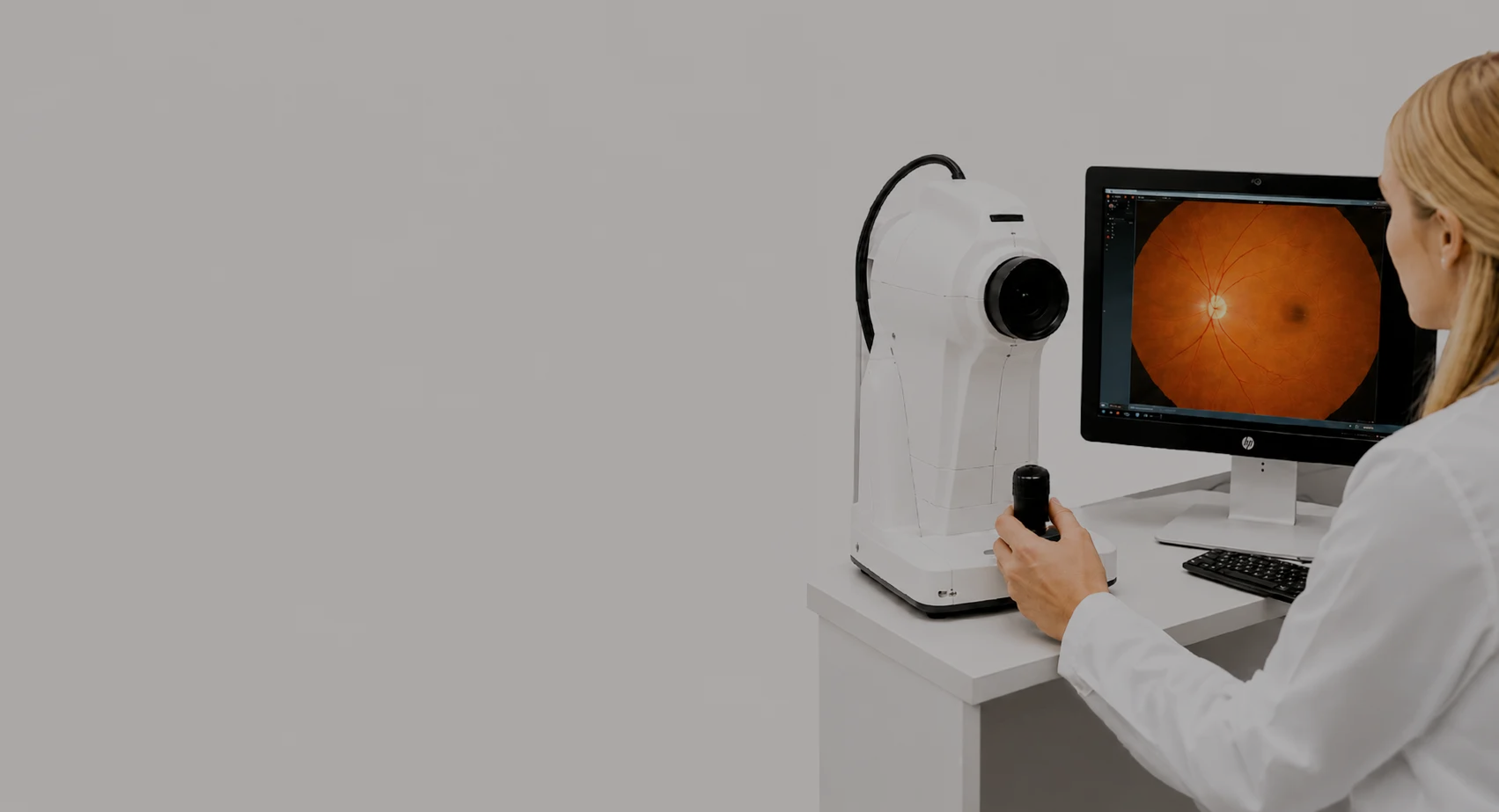
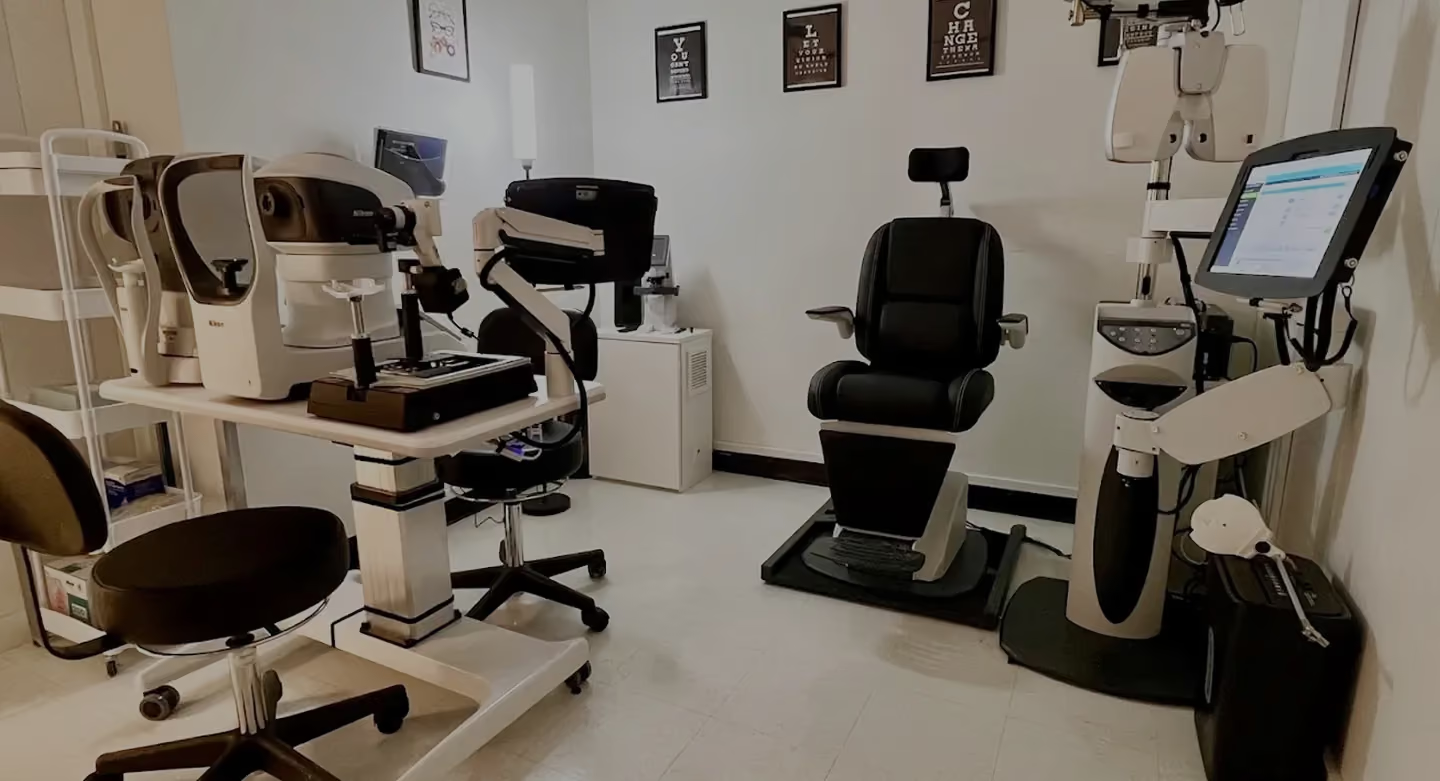
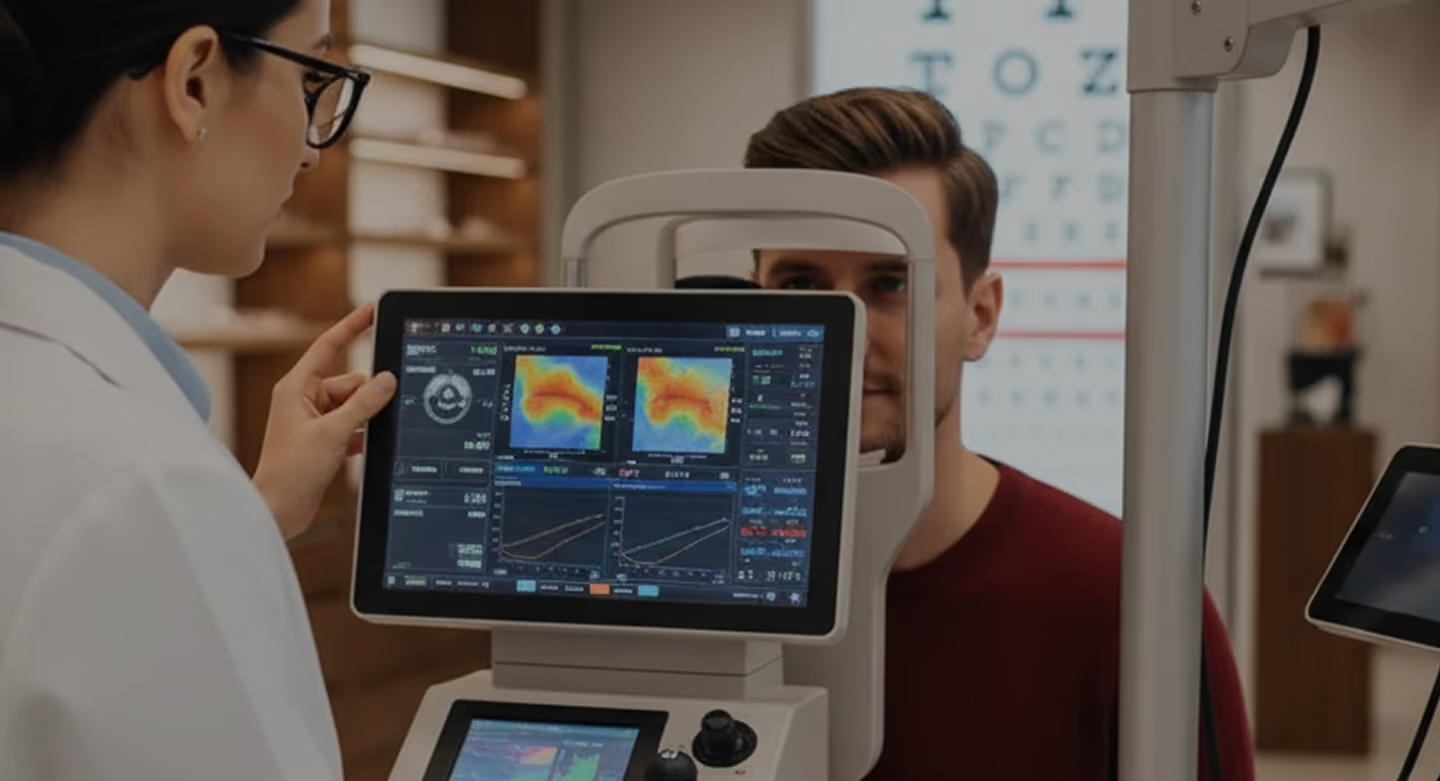
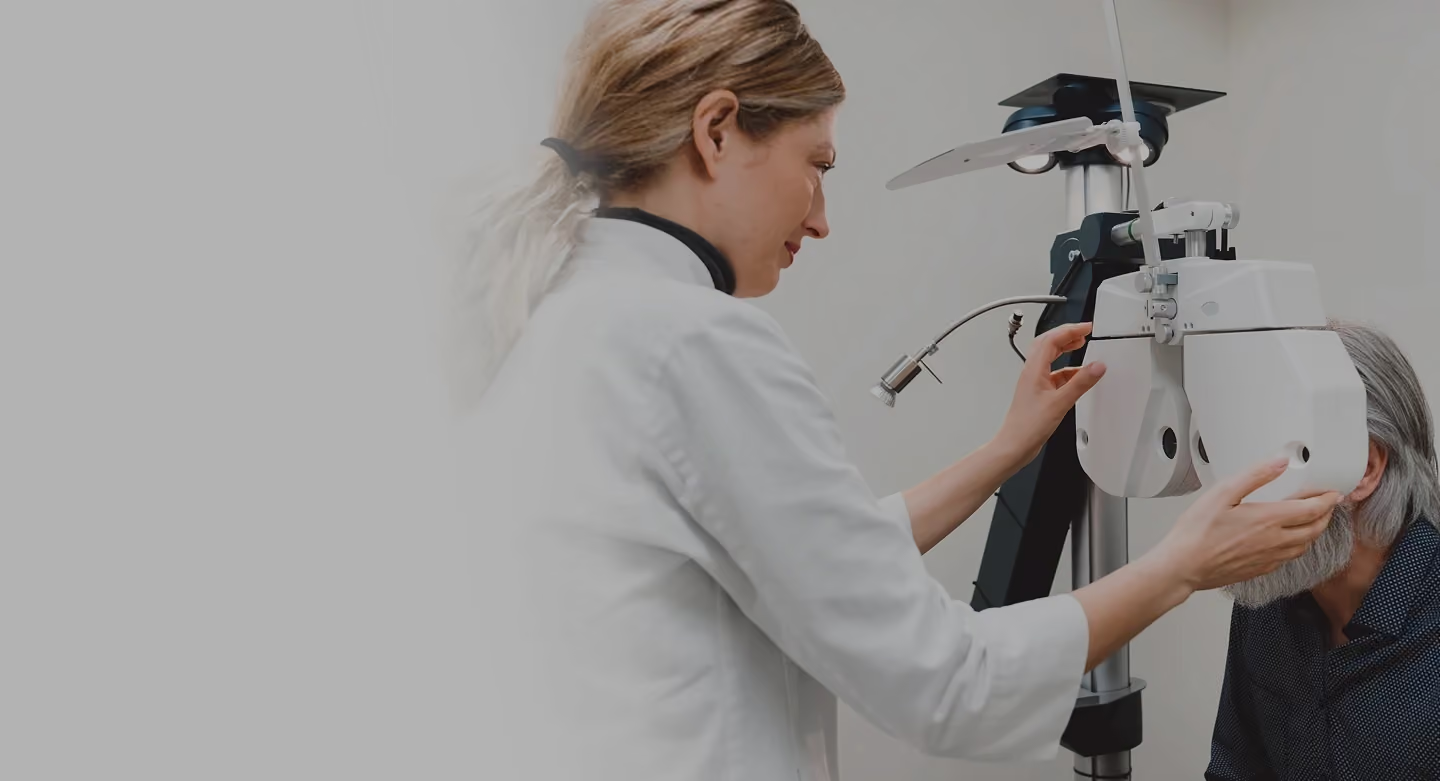
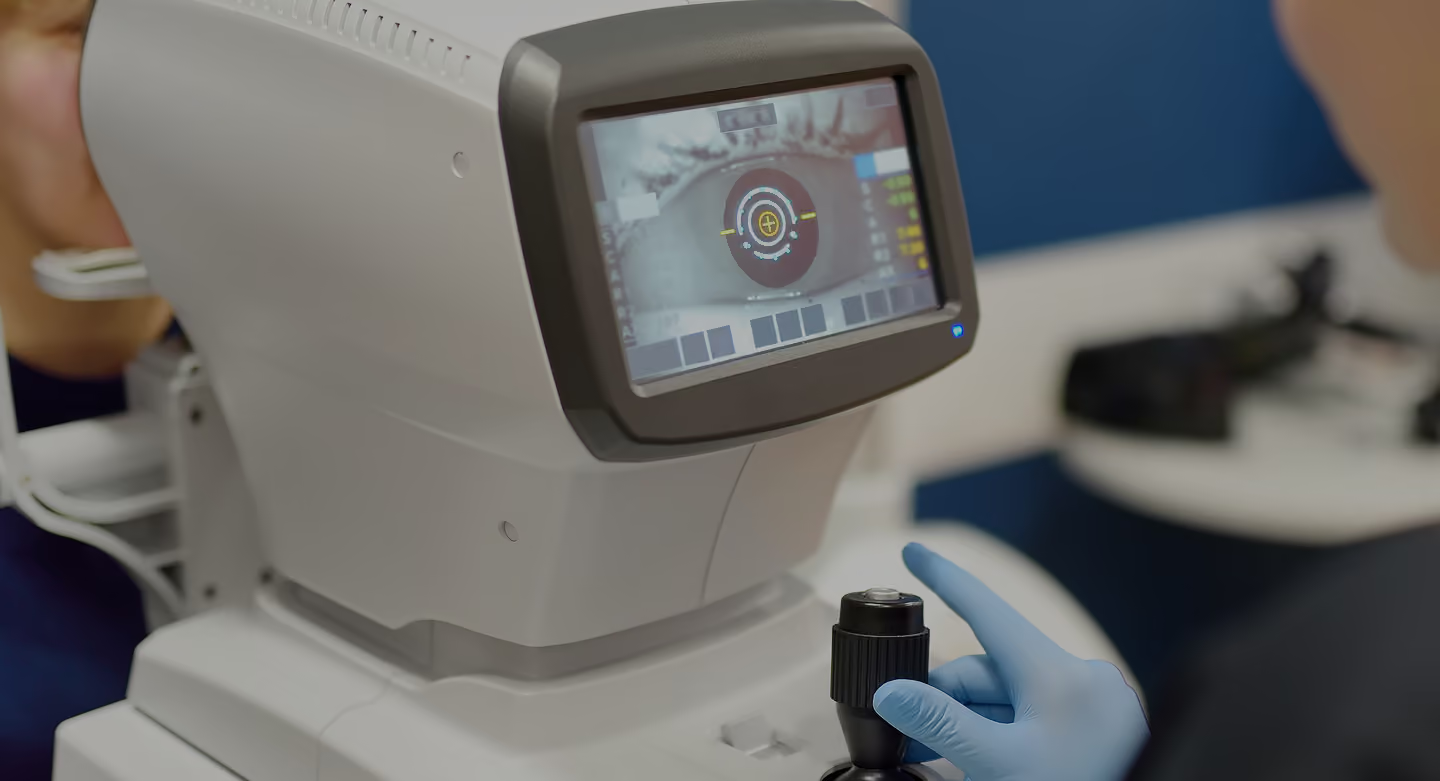
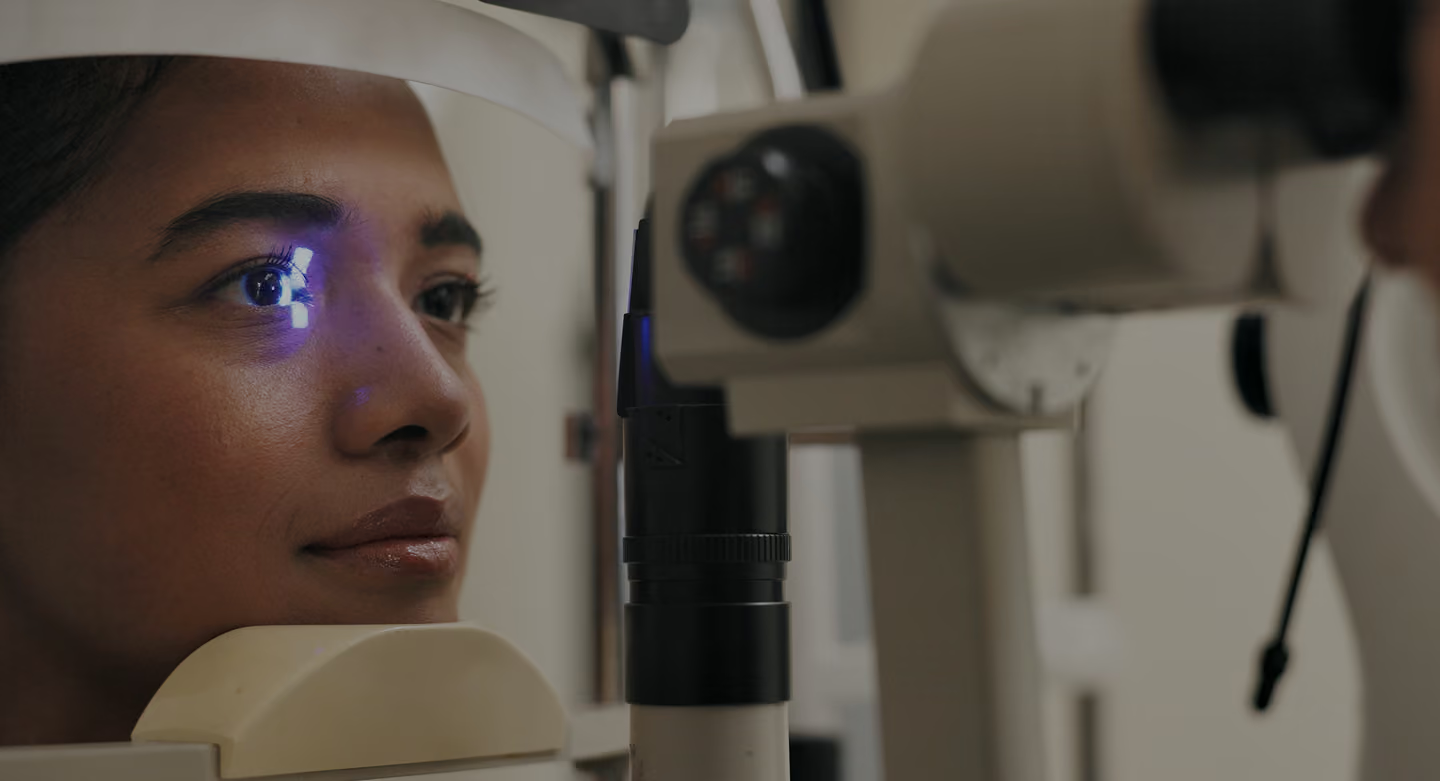
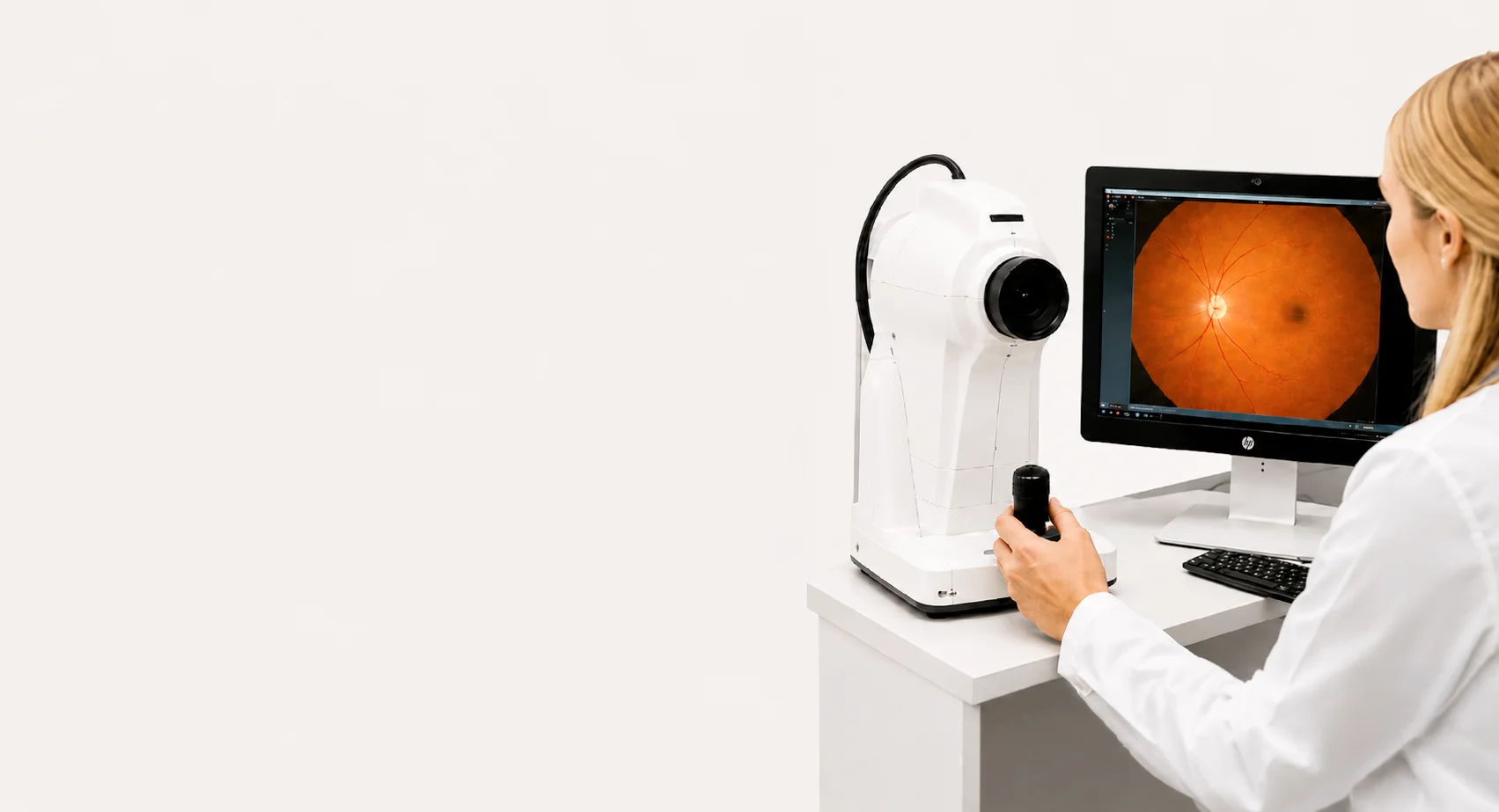
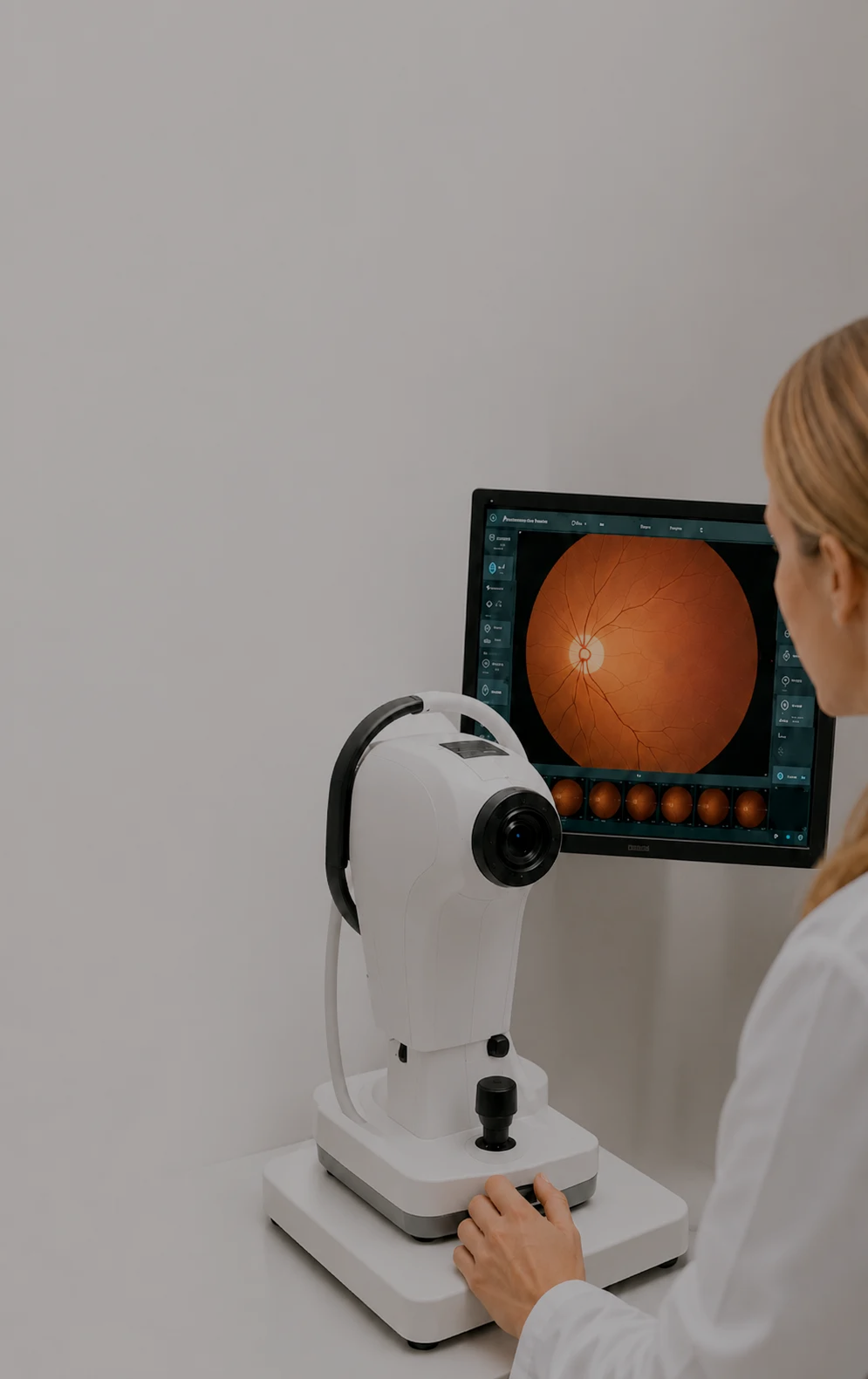
- Comprehensive Eye Exams: These are deep-dive medical diagnostics performed by a licensed eye doctor. Using advanced equipment, the doctor evaluates the complete internal and external structures of your eyes, checks how your muscles work together, measures fluid pressure, and examines the delicate blood vessels in the back of your eye.
Think of a vision screening like looking at the paint job on a car, while a comprehensive exam is a mechanic hooking the engine up to a diagnostic computer. To truly protect your sight, you need the full medical check.
The Danger of "Silent" Eye Diseases
The most critical reason to schedule regular exams is that many of the leading causes of blindness develop without any warning signs; they are completely asymptomatic in their early stages, meaning you won't feel any pain, and your vision will remain perfect while the damage is occurring.
By the time you actually notice a change in your sight, irreversible damage may have already happened; this is why comprehensive exams are designed to catch these "silent thieves" early, when treatments are highly effective and vision loss is still entirely preventable.
Glaucoma: The Silent Thief of Sight
Glaucoma is caused by a buildup of fluid pressure inside the eye that slowly damages the optic nerve; because it damages your peripheral (side) vision first, you won't notice anything is wrong until it creeps into your central vision. An eye doctor can measure your internal eye pressure and map your optic nerve to stop glaucoma long before it impacts your sight.
Macular Degeneration
This condition breaks down the central part of your retina, which is responsible for sharp, straight-ahead vision; there are early signs, such as tiny yellow deposits under the retina called drusen, that can only be seen during a dilated eye exam. Catching it early allows you to make lifestyle adjustments and start therapies to preserve your independence.
Diabetic Retinopathy
High blood sugar can quietly damage the blood vessels that feed your retina, causing them to leak fluid or bleed. Diabetic retinopathy is a leading cause of blindness in adults, yet early detection and careful management can lower the risk of vision loss.

Your Eyes: A Window to Your Total Body Health
Did you know that an eye doctor is often the first medical professional to detect chronic, systemic health conditions? The eye is the only place on the human body where a doctor can see live blood vessels and nerve tissue without cutting into the body.
During a comprehensive exam, your doctor can spot early warning signs of:
- High Blood Pressure: Indicated by narrowing, crossing, or twisting of the blood vessels in the retina.
- Diabetes: Caught early through tiny microaneurysms or minor bleeding in the back of the eye.
- High Cholesterol: Identified by a yellowish ring around the cornea or plaques in the retinal arteries.
Protecting Your Health and Your Wallet
Investing in a routine eye health checkup is a smart financial move when eye diseases or systemic conditions go undetected, managing them in their advanced stages becomes incredibly expensive.
By prioritizing preventative eye care, you catch potential issues when they are manageable, saving you from massive medical expenses and intensive surgeries down the road; with convenient care locations right down the street, taking care of your eyes has never been easier.
Don't Wait for Symptoms: Book Your Exam Today
Your sight is one of your most valuable assets. Waiting until your vision blurs or your eyes hurt to see a doctor is a gamble you don't need to take.
Whether it has been one year or a few years since your last visit, prioritize your peace of mind and your long-term health. Book now and protect your vision for the future.


.avif)
.avif)