Going to your first eye exam can feel uncertain, especially if you are not sure what to expect or how to prepare. Many people postpone vision care simply because the process feels unfamiliar; however, understanding how an eye exam works often removes that hesitation and makes the experience feel much more approachable.
A modern eye exam is not just about reading letters on a chart. It is designed to evaluate how your eyes function in everyday life, identify vision changes early, and help you choose eyewear that truly supports your routine.
What to Expect at an Eye Exam
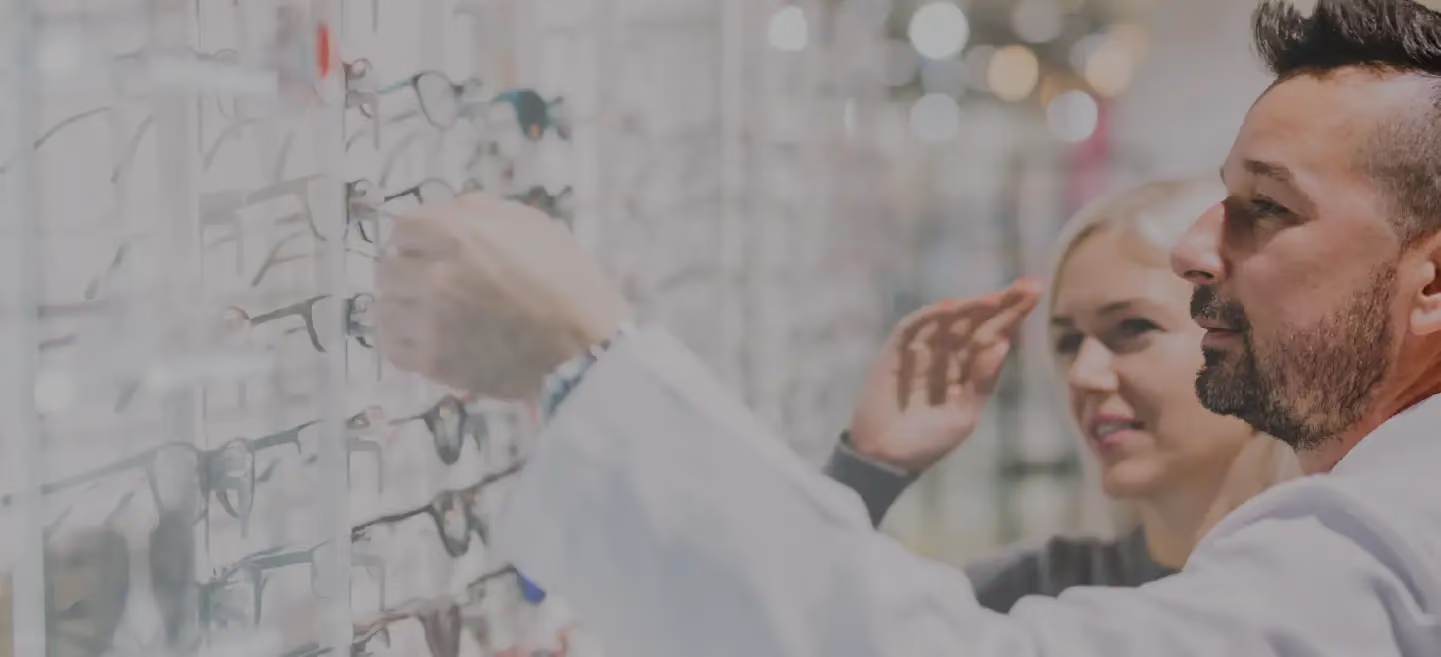
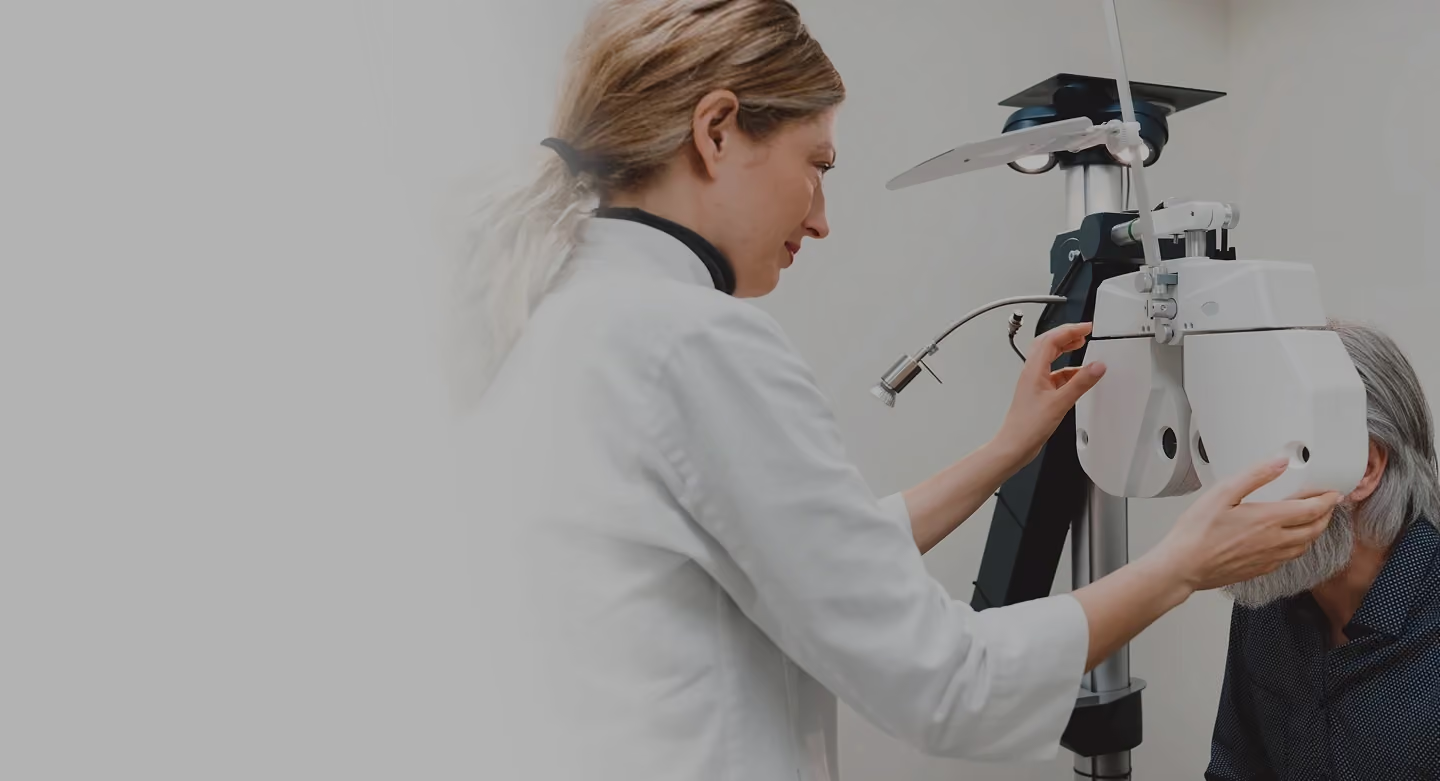
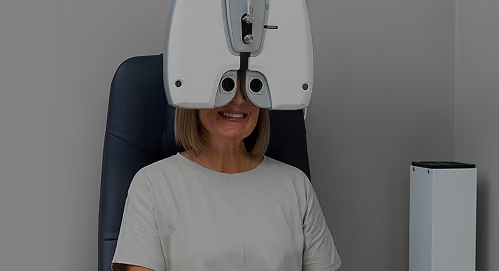
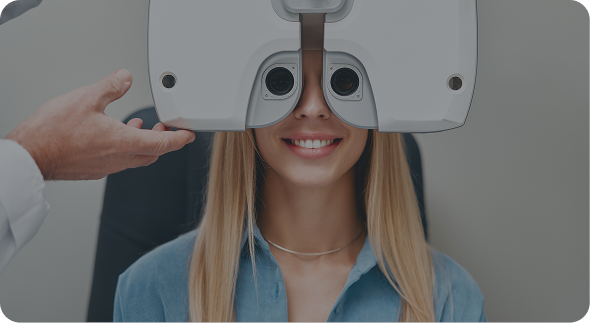
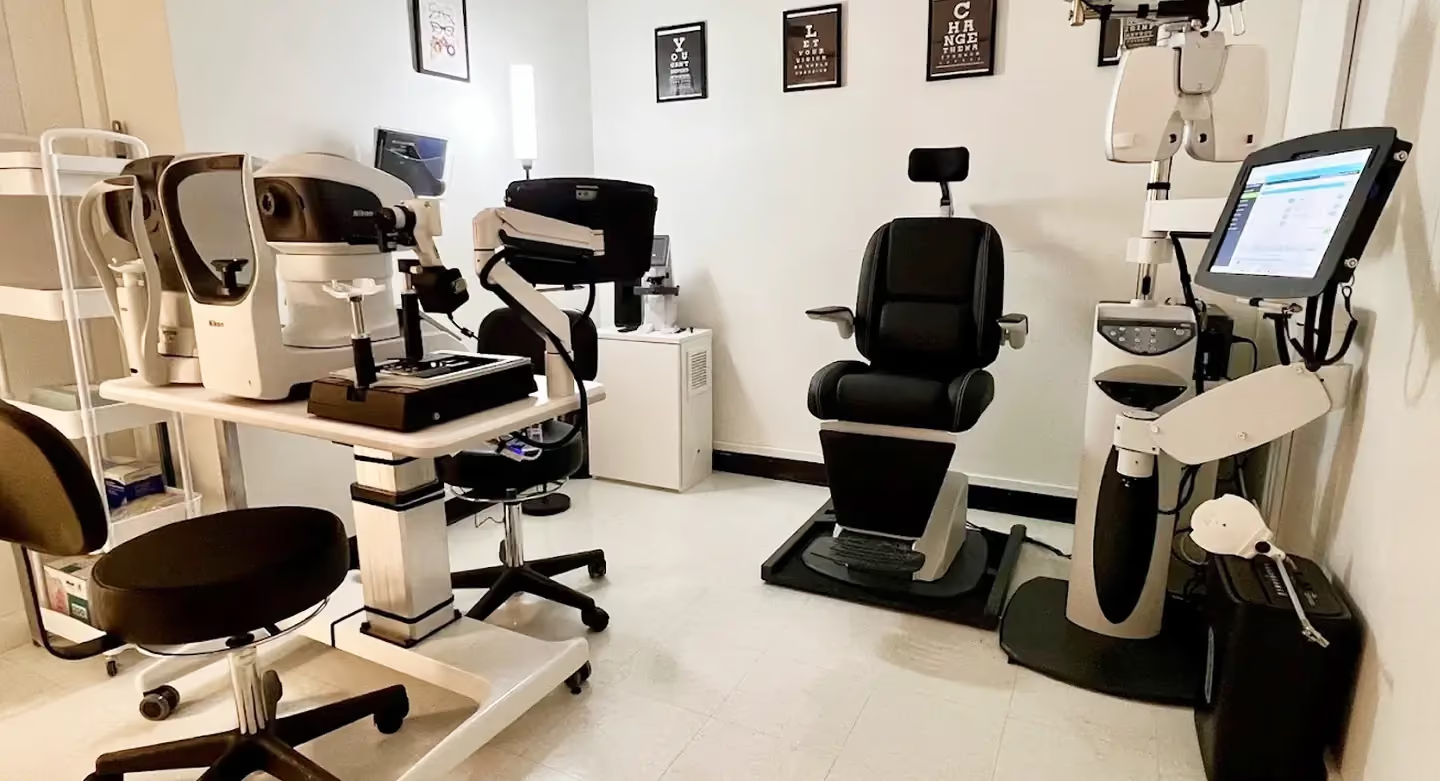
If you are wondering what to expect at an eye exam, the process is usually straightforward and guided from start to finish. Most appointments begin with a brief conversation about your vision habits, screen time, and any symptoms you may have noticed, which helps the optometrist tailor the exam to your needs.
From there, the exam typically includes:
- Vision testing to assess clarity at different distances
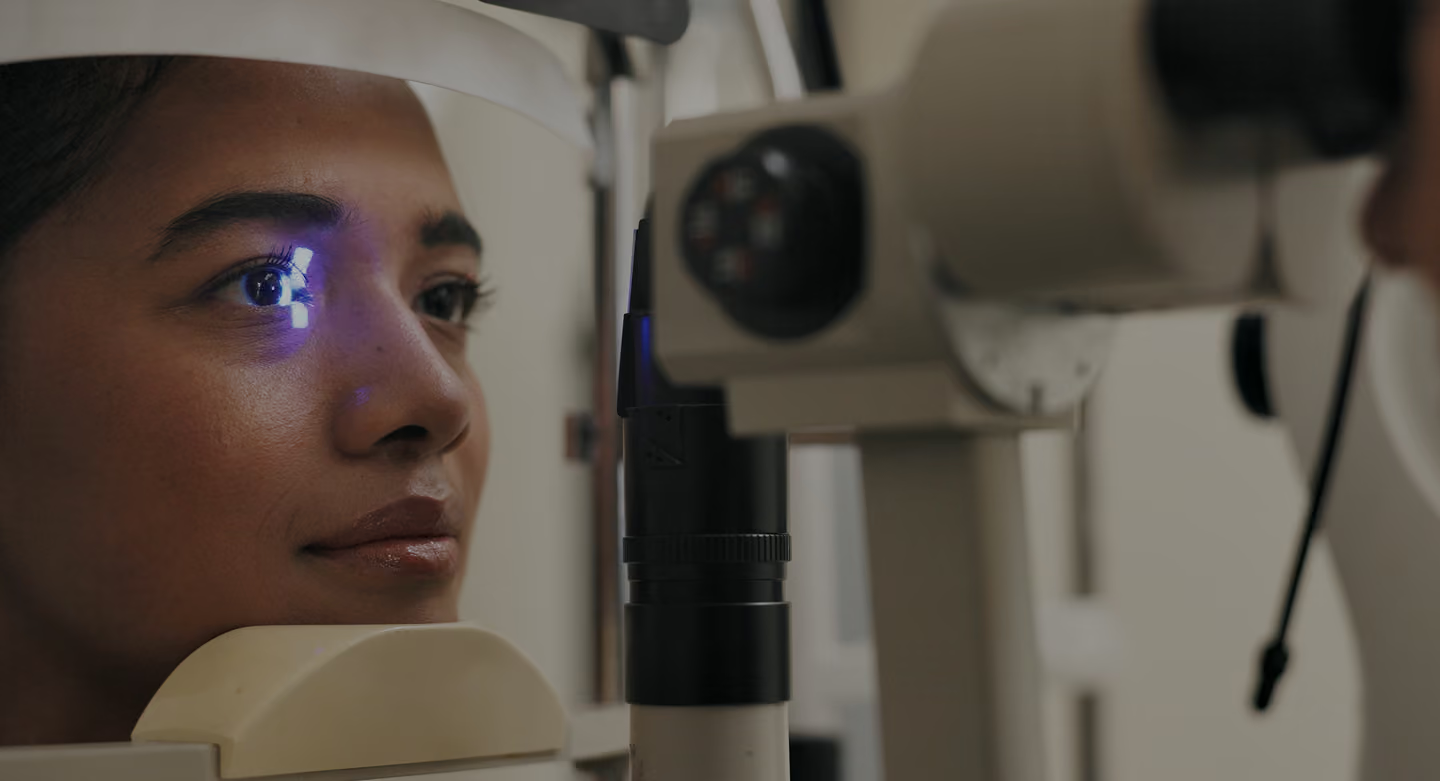
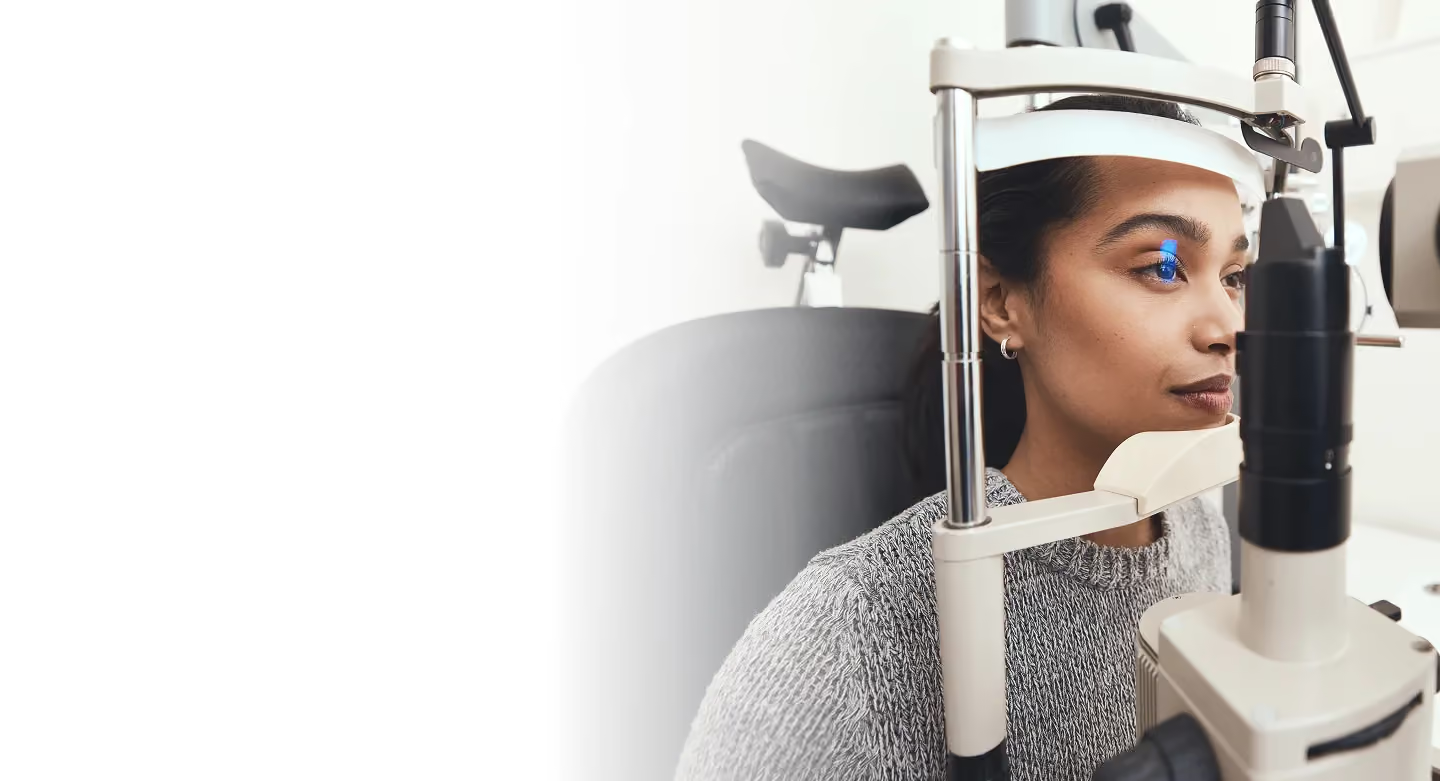
- Eye health checks to evaluate overall eye condition
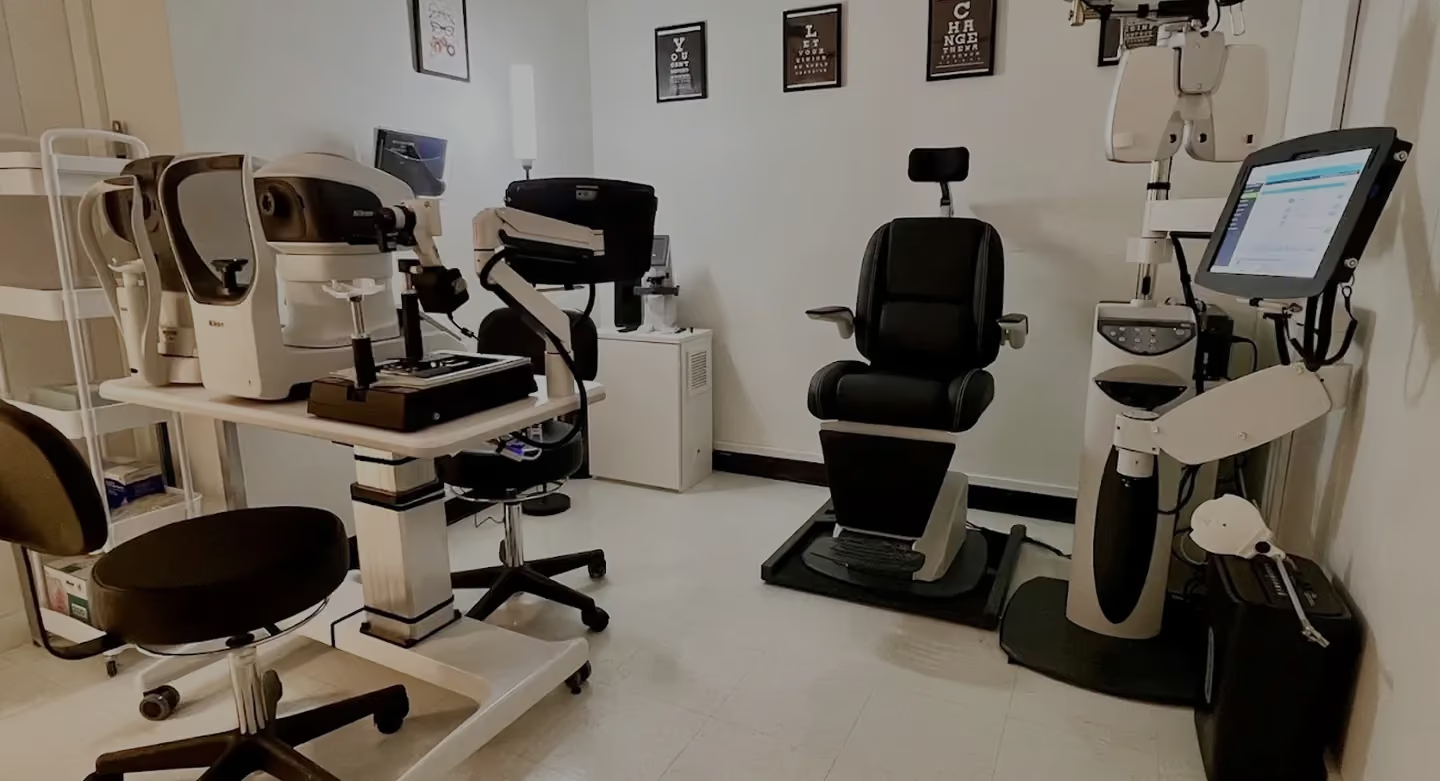
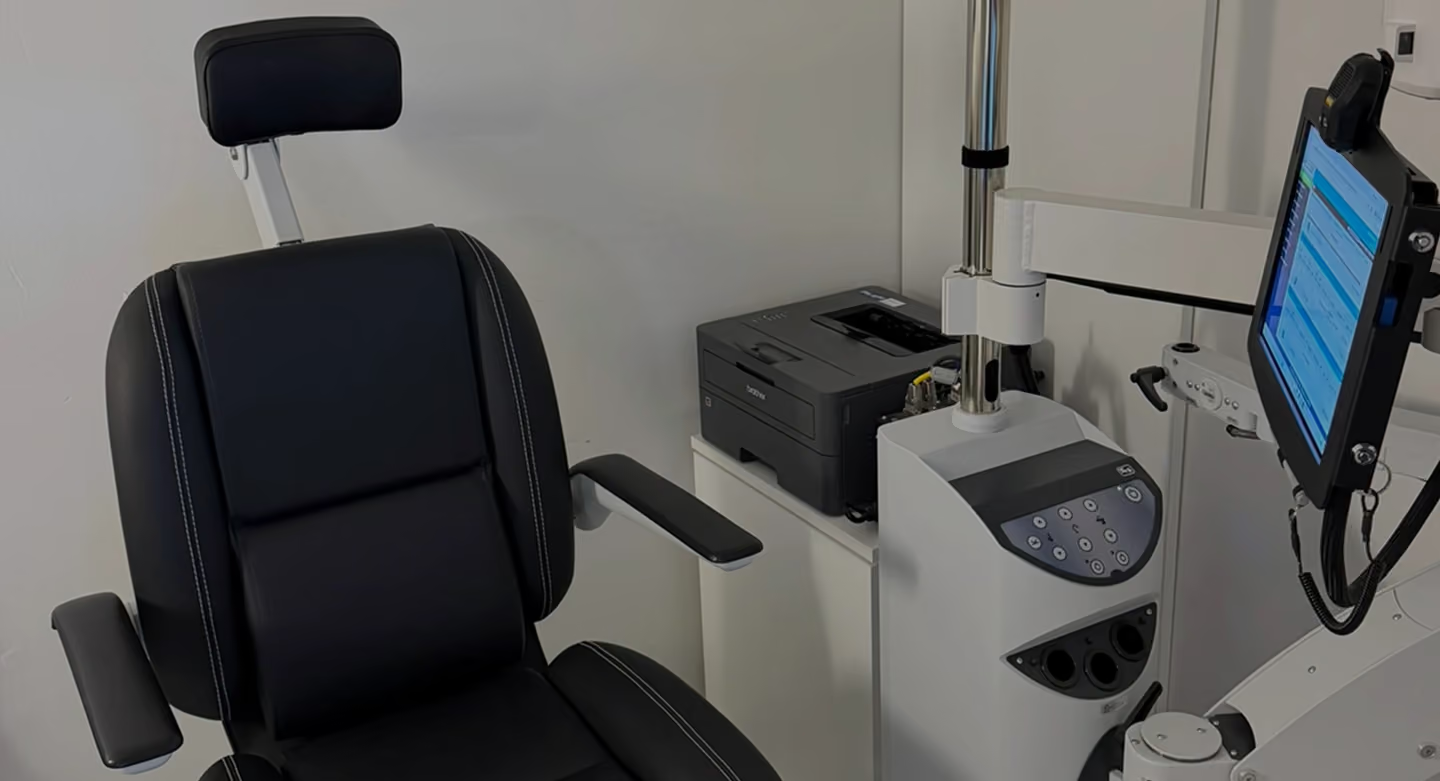
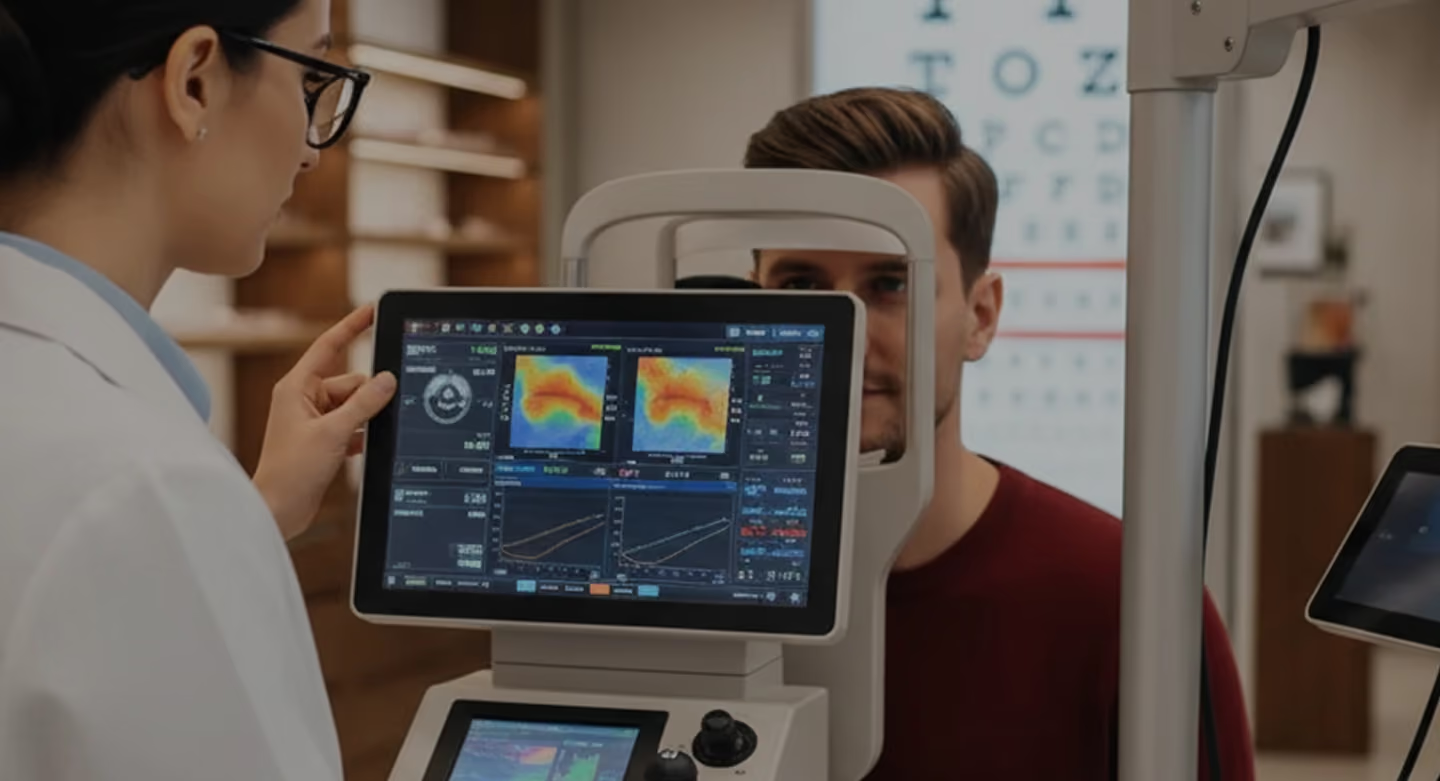
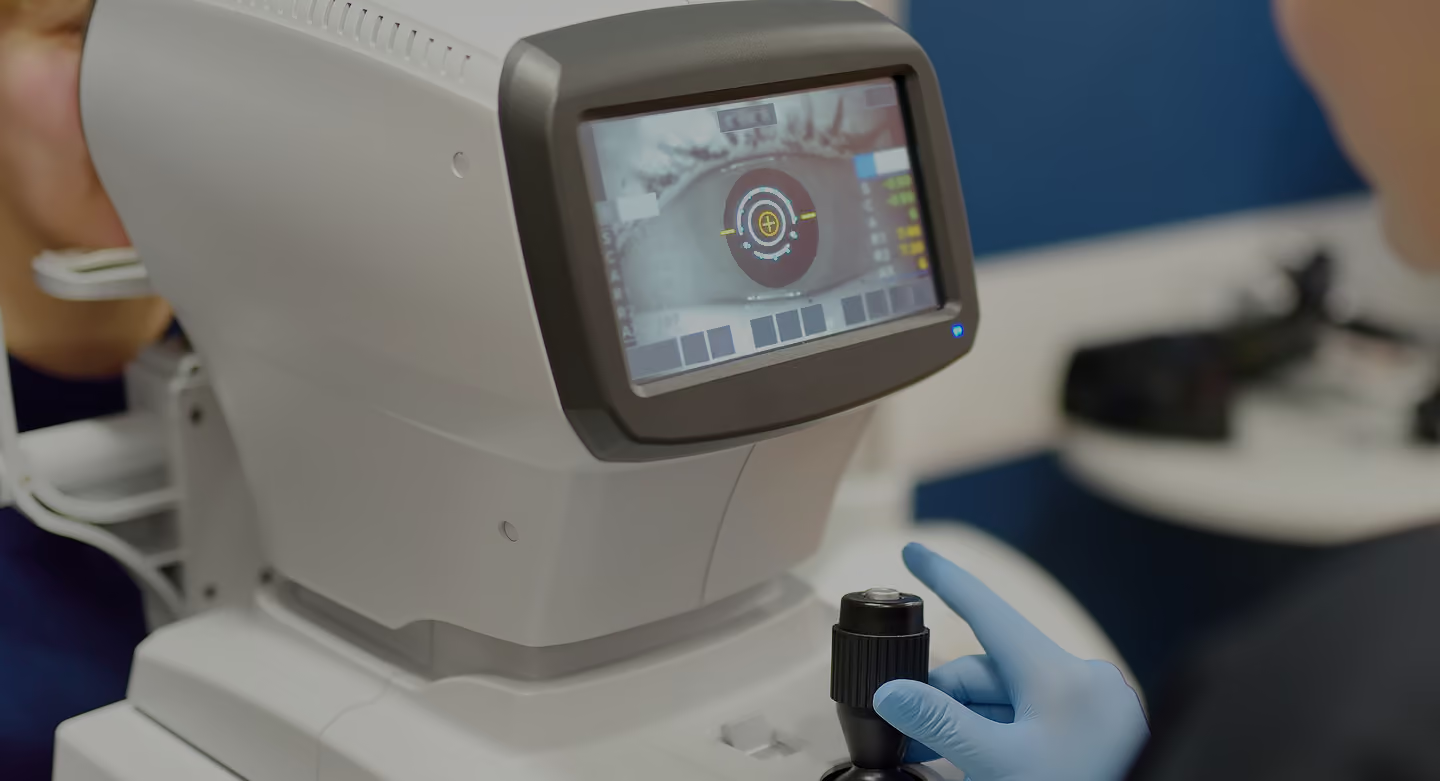
- Digital measurements used for accurate prescriptions
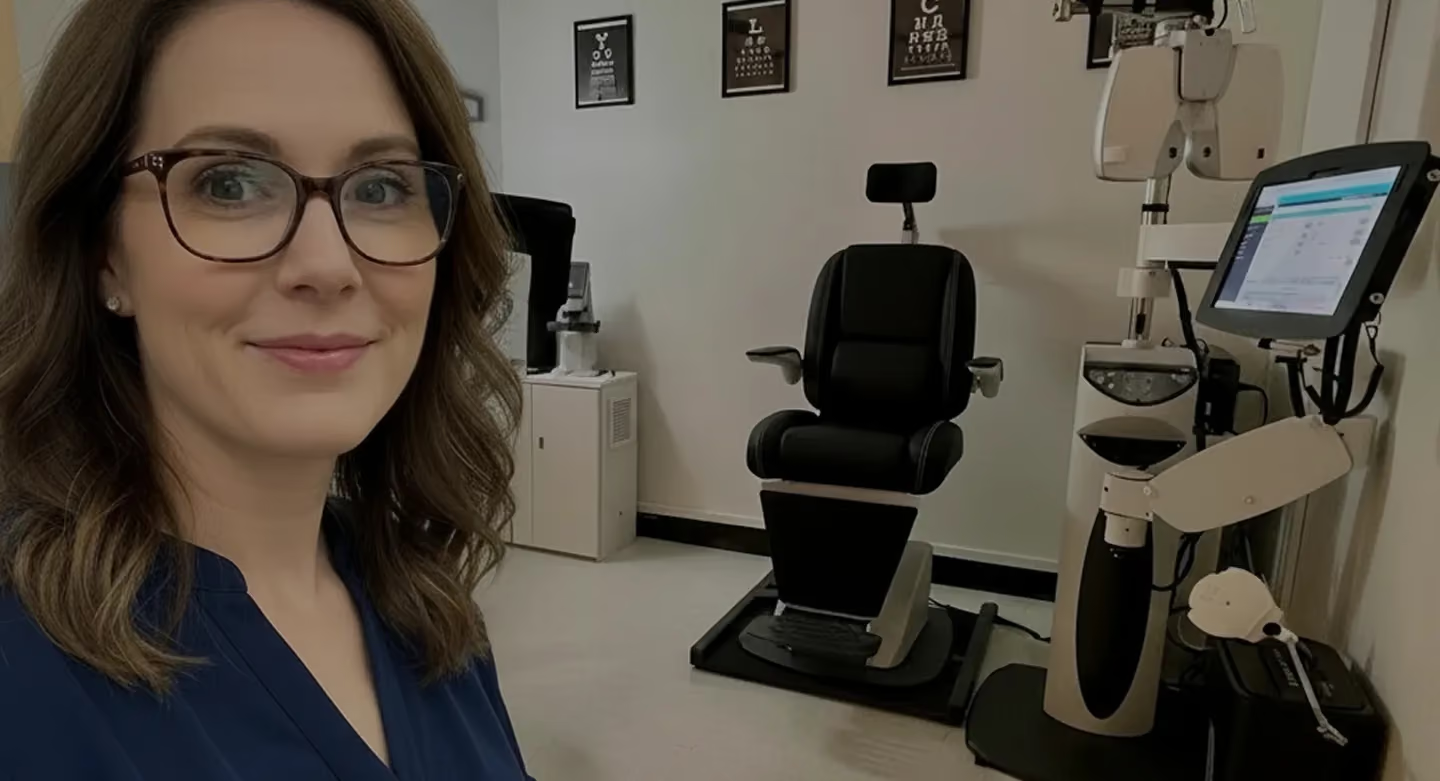
At Visology, these steps are streamlined through digital technology, which reduces unnecessary delays and keeps the appointment efficient without sacrificing accuracy. You can learn more about how this process works on the dedicated eye exam page https://www.visologyus.com/eye-exam
How Long Does an Eye Exam Take?
One of the most common concerns is time. Traditional exams can feel lengthy, especially when appointments run behind schedule. Modern digital eye exams, however, are designed to fit more naturally into busy days.
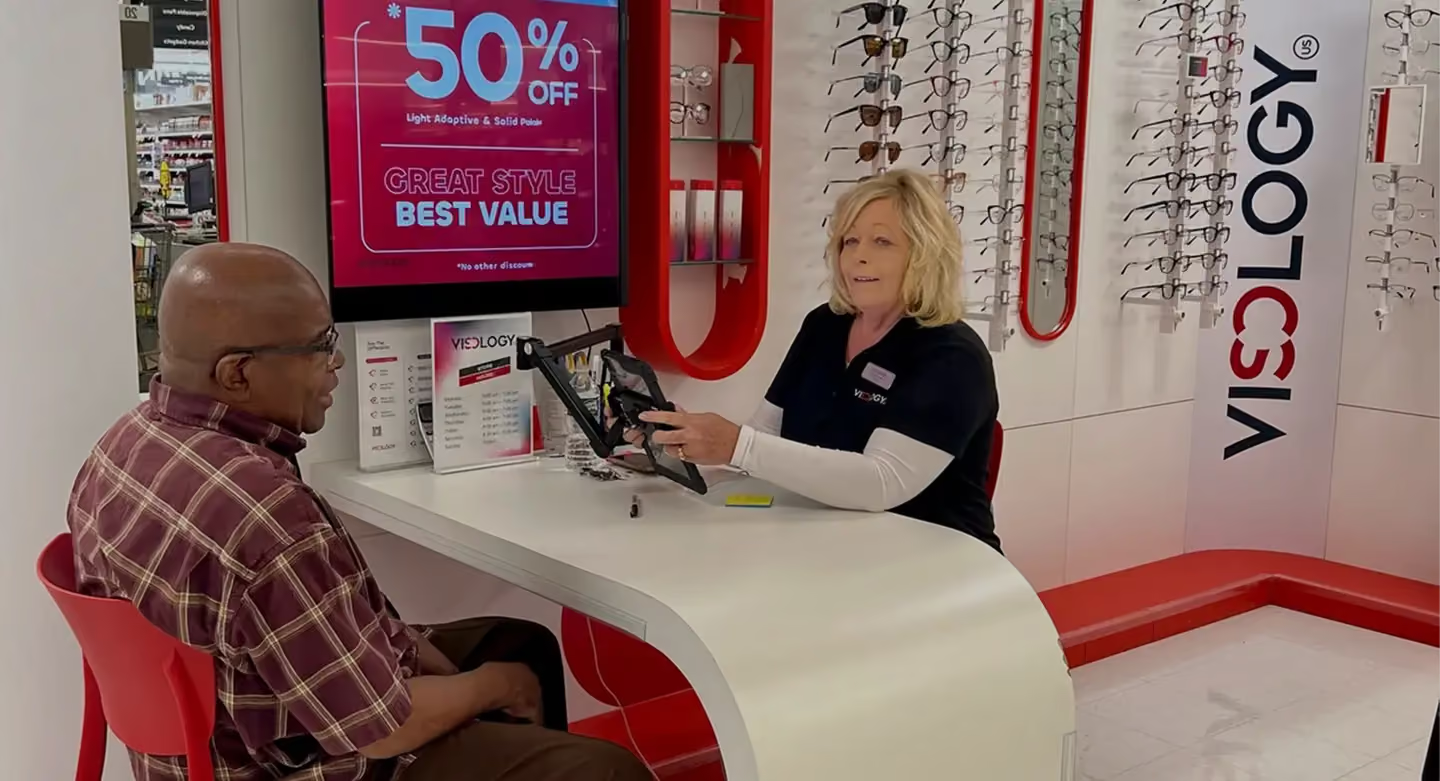
In many cases, the entire appointment can be completed in as little as 30 minutes, thanks to Visology’s advanced digital eye exam technology, which allows prescriptions to be delivered quickly without compromising accuracy. This efficiency matters more than ever in a time when busy schedules often lead people to delay eye exams until vision problems become unavoidable; by combining speed with convenience (through locations inside Stop & Shop, where people already run regular errands) Visology removes both time and access barriers, making routine eye care far easier to maintain, even for those who have not had an exam in years.
Do You Need to Prepare Before Your Appointment?
Preparation for your first eye exam is minimal, yet a few small steps can make the visit smoother. Bringing your current glasses, if you have them, helps the optometrist understand your prescription history.
It is also helpful to:
- Note any vision changes or discomfort
- Be ready to discuss screen usage or eye strain
- Bring insurance information if applicable
Other than that, no special preparation is required, which is why many people search for an optometrist near me when they are ready to finally book an exam.
Finding an Eye Doctor Near You
Location often plays a major role in whether people follow through with an appointment. For example, searching for an eye doctor Medford or nearby areas usually comes down to convenience and trust.
Visology locations are designed to integrate into everyday errands rather than require special planning, making it easier to prioritize vision care. You can check available vision centers and find the most convenient option through the locations page https://www.visologyus.com/store/en/locations
What Happens After the Exam?
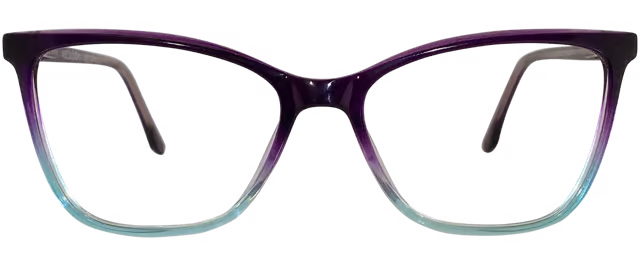
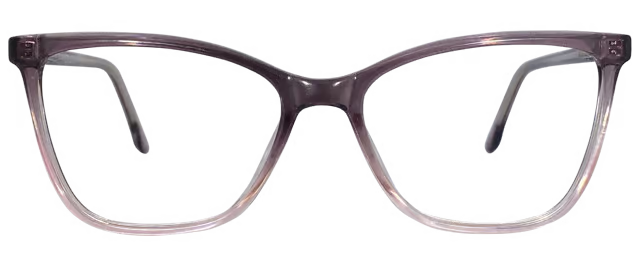
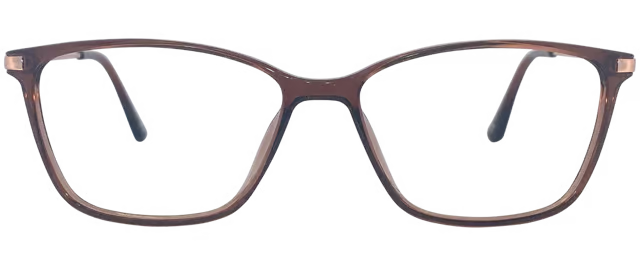
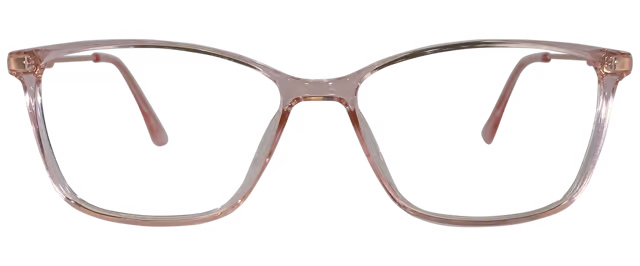
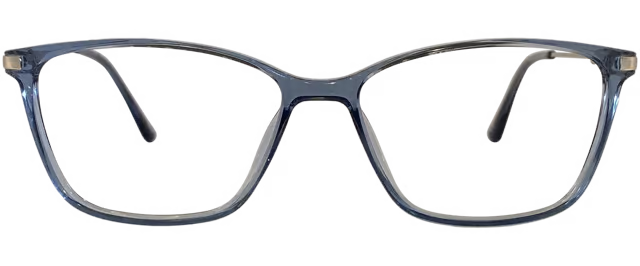
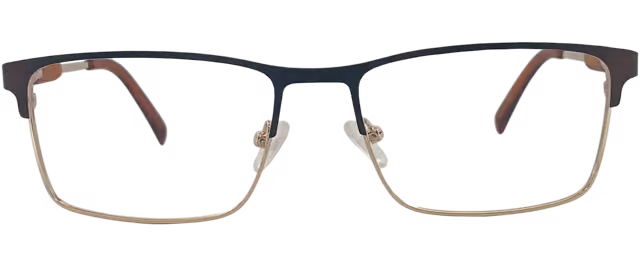
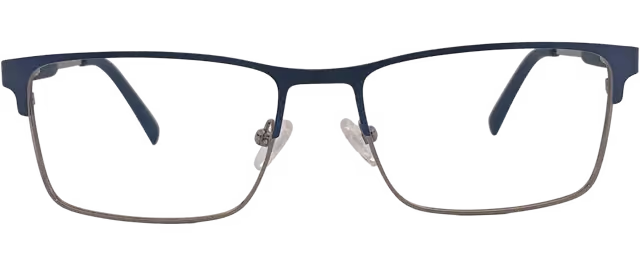
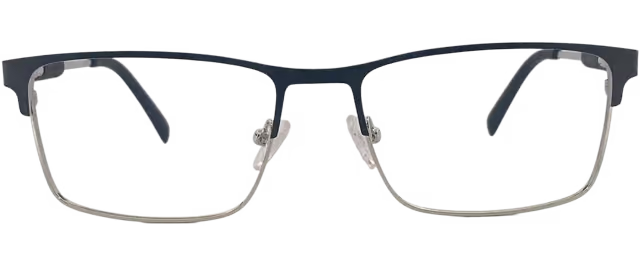
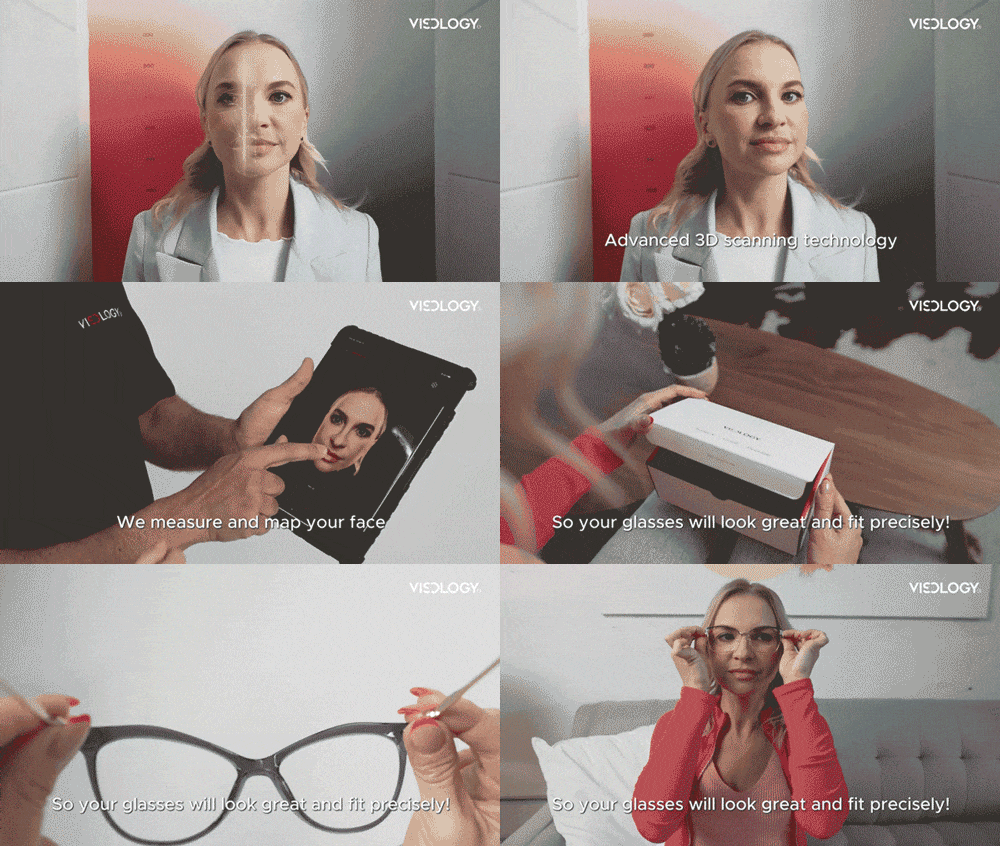
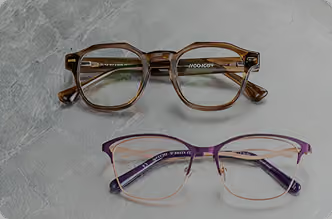
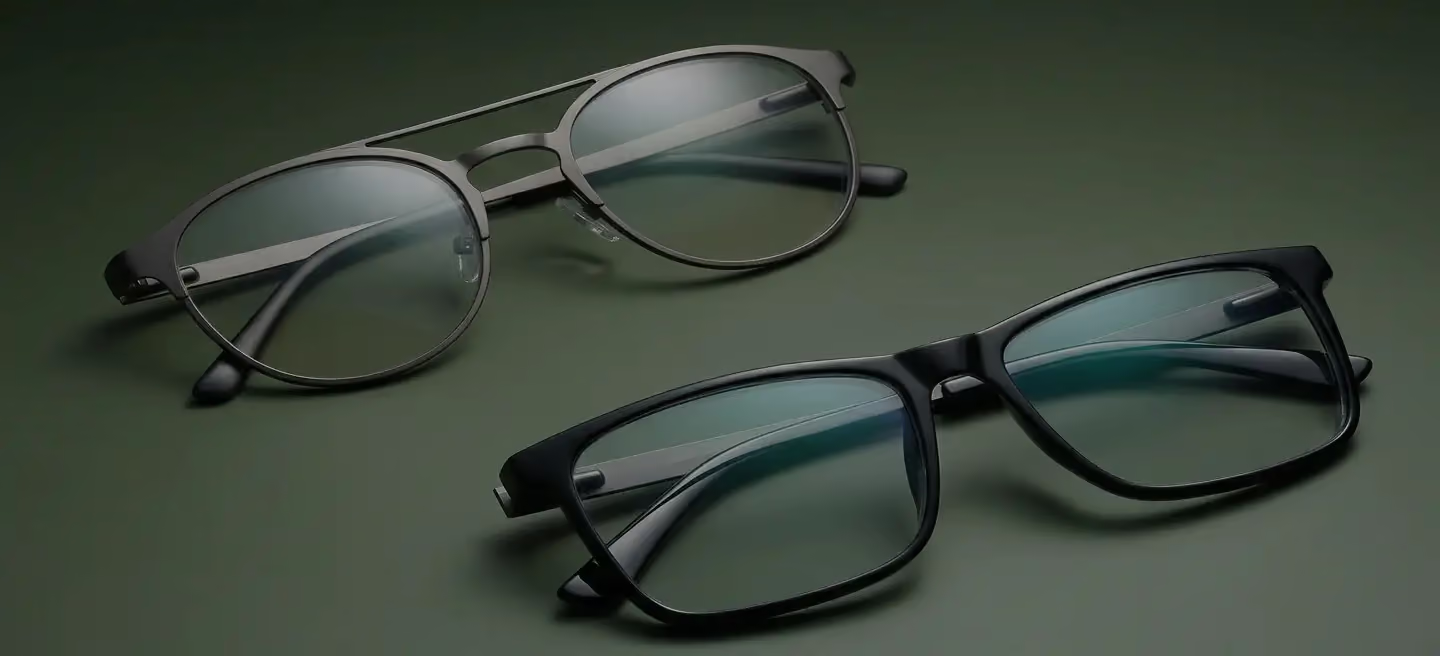
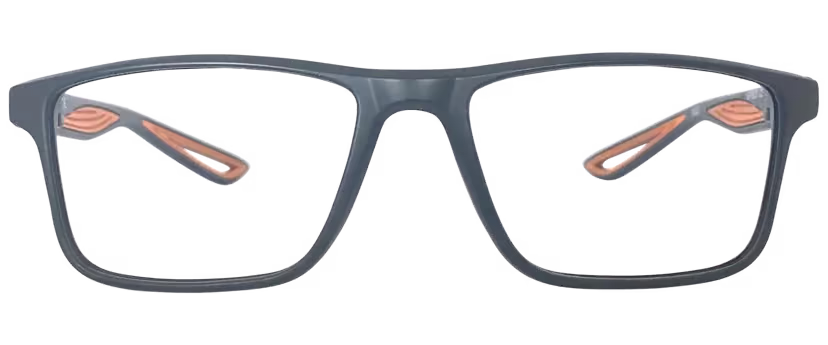
Once your exam is complete, your prescription is reviewed and explained in clear terms. If you need corrective eyewear, Visology guide your frame selection using advanced 3D face mapping rather than guesswork, which helps ensure comfort and precise fit from day one.
This approach removes much of the uncertainty that first-time patients often feel and replaces it with confidence in both the results and the next steps.
Why First-Time Exams Feel Easier Than Expected
For many people, the biggest surprise is how simple the experience actually is. When technology supports the process and guidance feels human rather than clinical, an eye exam becomes less of a task and more of a routine check-in for long-term vision health.
That sense of clarity is often what encourages patients to stay consistent with future exams, making eye care something that fits naturally into life rather than something to postpone.


.avif)
.avif)