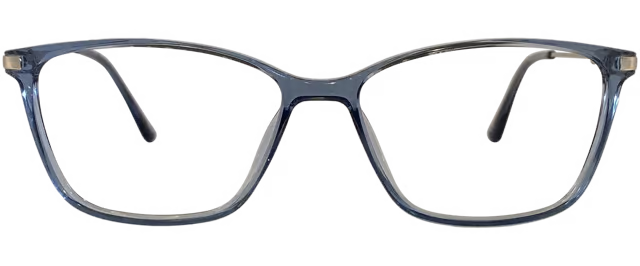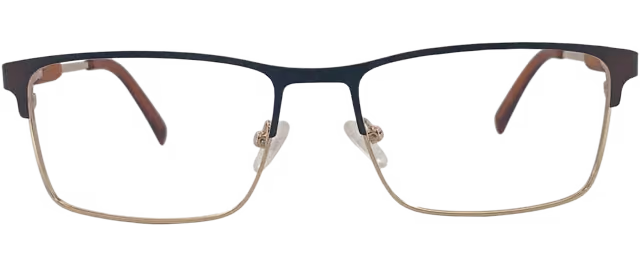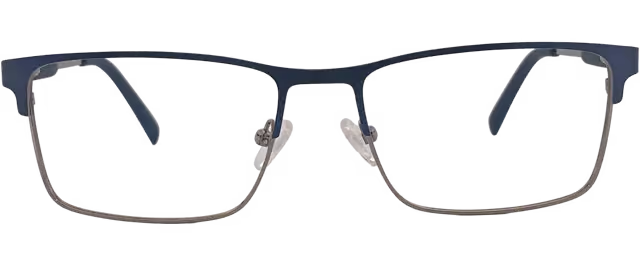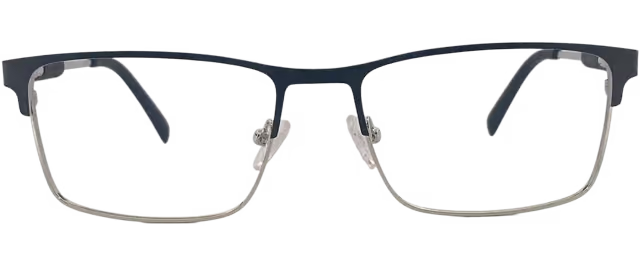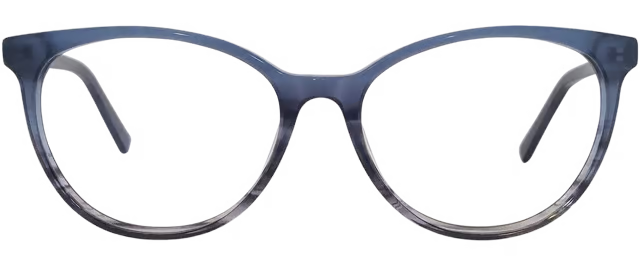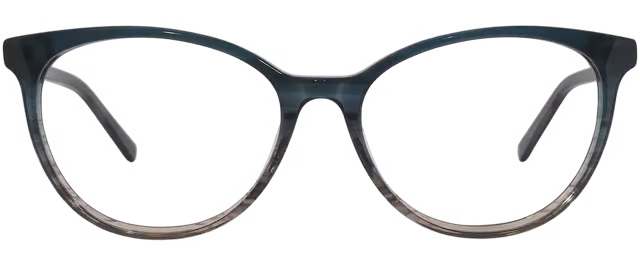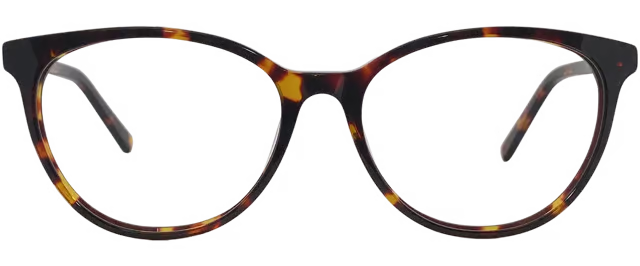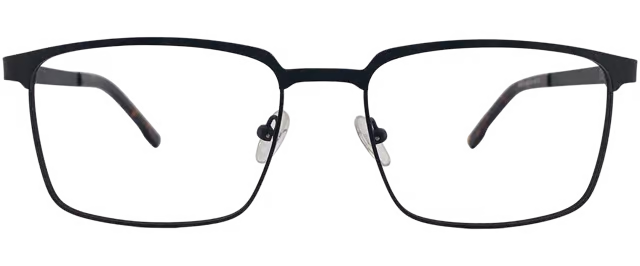
Children do not always realize when their vision is changing, and many simply assume everyone sees the world the same way they do; because of this, early signs of vision problems can be easy to miss, especially while a child is still learning to read, stay focused, and adjust to everyday school routines.
For parents, changes in attention, behavior, or confidence are sometimes linked to eyesight rather than motivation. Understanding the signs early can make a meaningful difference, since clear vision supports learning, development, and everyday comfort.
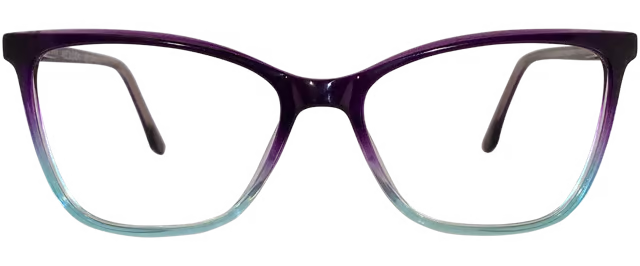
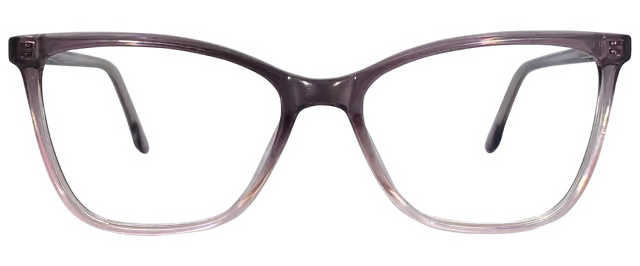
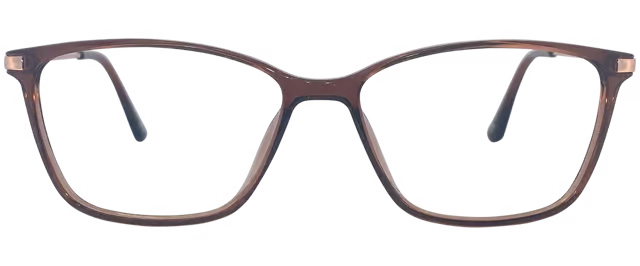
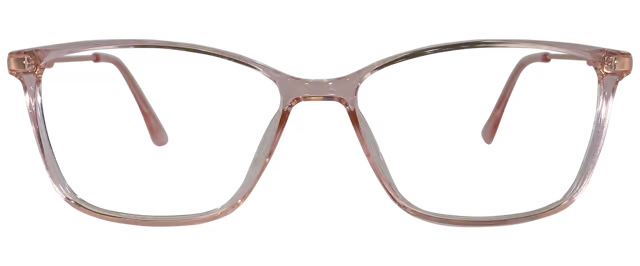
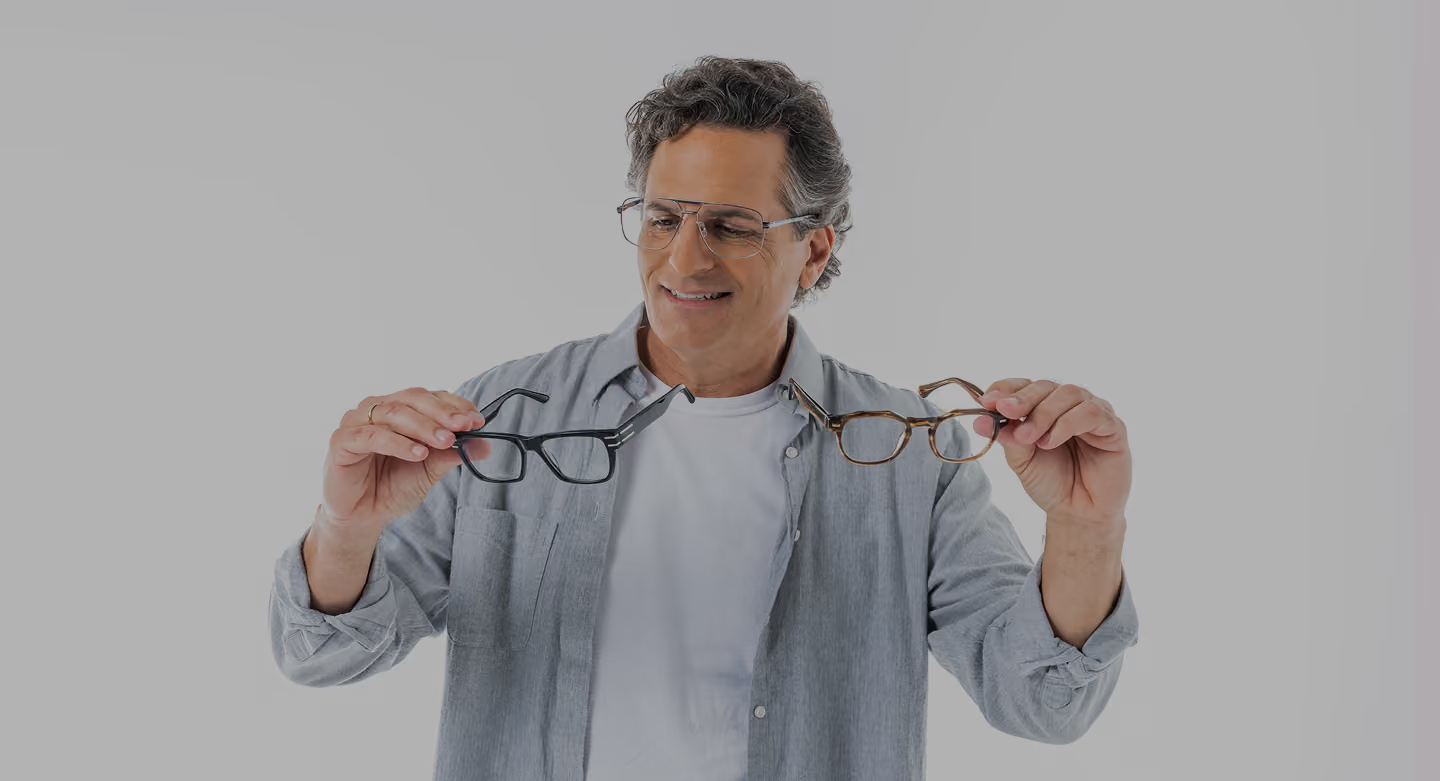
When needed, kids eye glasses can help children feel more confident and engaged; however, the first step is knowing when it may be time for an eye exam.
Why Vision Matters During Childhood
A child’s eyes are constantly developing, which means clear vision plays an important role in how they learn, participate, and interact with the world; reading, writing, classroom activities, sports, and even screen time all depend on the ability to focus comfortably throughout the day.
When vision problems go unnoticed, children may adapt in ways that hide the issue. Some move closer to screens, avoid reading, lose interest quickly, or seem distracted during tasks that require focus.
Because these behaviors can look unrelated to eyesight, regular eye exams become an important part of supporting development.
Common Signs Your Child May Need an Eye Exam
Some symptoms are obvious, while others appear gradually over time. Parents often notice patterns before children know how to describe what feels different.
Common signs include:
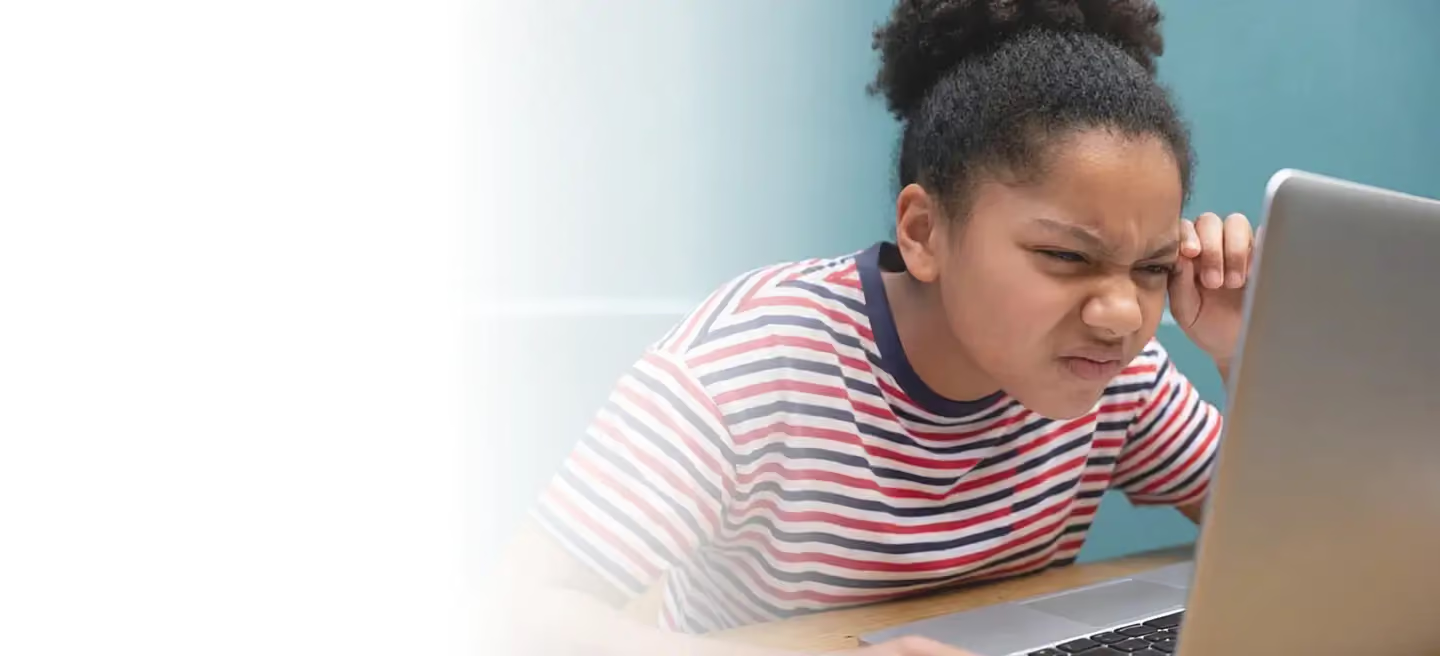
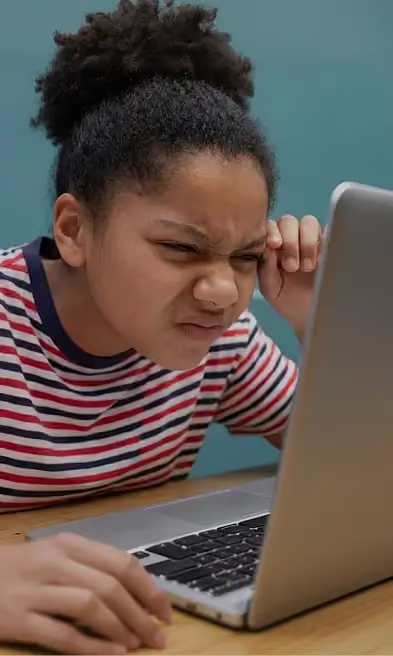
- Squinting when looking at distant objects
- Sitting too close to screens or the television
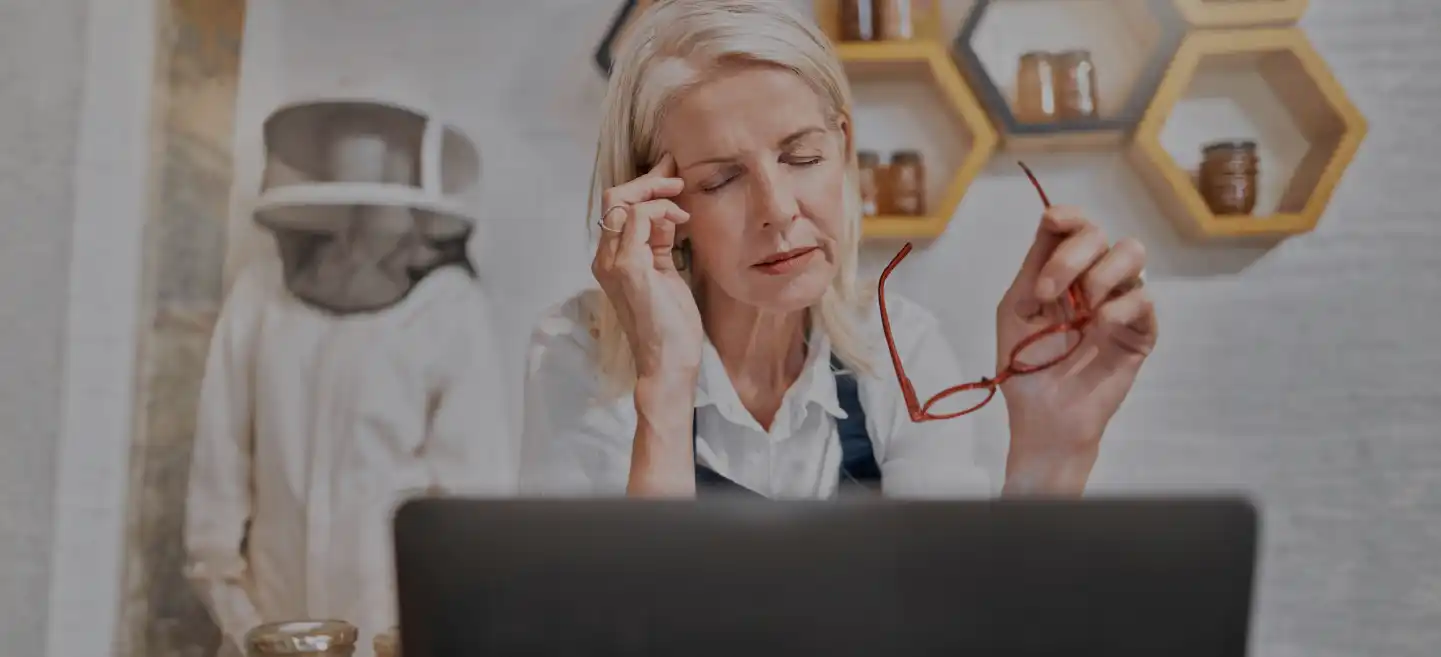
- Frequent headaches after reading or schoolwork
- Rubbing the eyes often
- Difficulty concentrating during close-up tasks
- Losing place while reading
- Complaints of blurry vision
- Tilting the head to focus
If several of these signs appear consistently, scheduling an eye exam is a smart next step.
School Performance and Hidden Vision Problems
Children with uncorrected vision issues are sometimes misunderstood, since a child who avoids reading may not dislike books at all; instead, reading can feel tiring or frustrating, while a student who seems distracted may simply be struggling to see the board clearly.
Because classroom demands increase each year, subtle vision problems often become more noticeable during school transitions. This is one reason many parents first seek help after noticing changes in grades, focus, or homework resistance.
Clear vision can improve not only comfort, but also confidence and participation.
When Kids Eye Glasses May Help
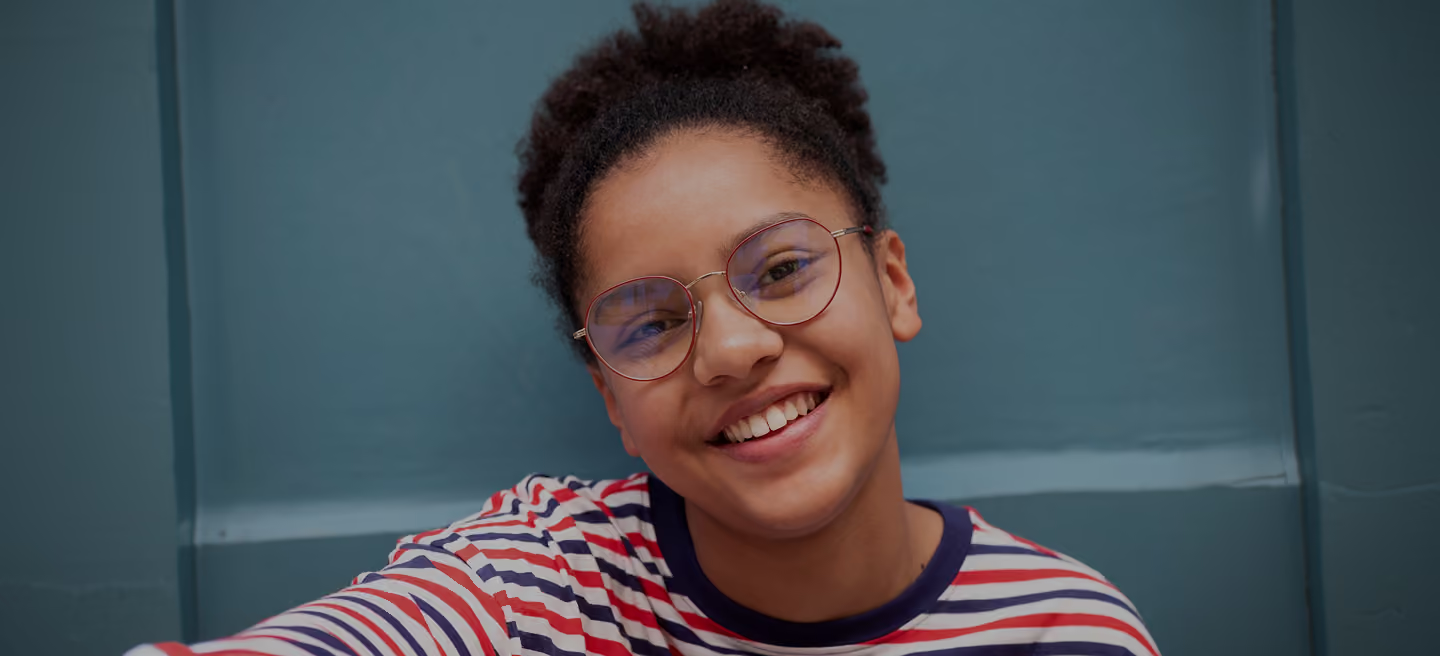
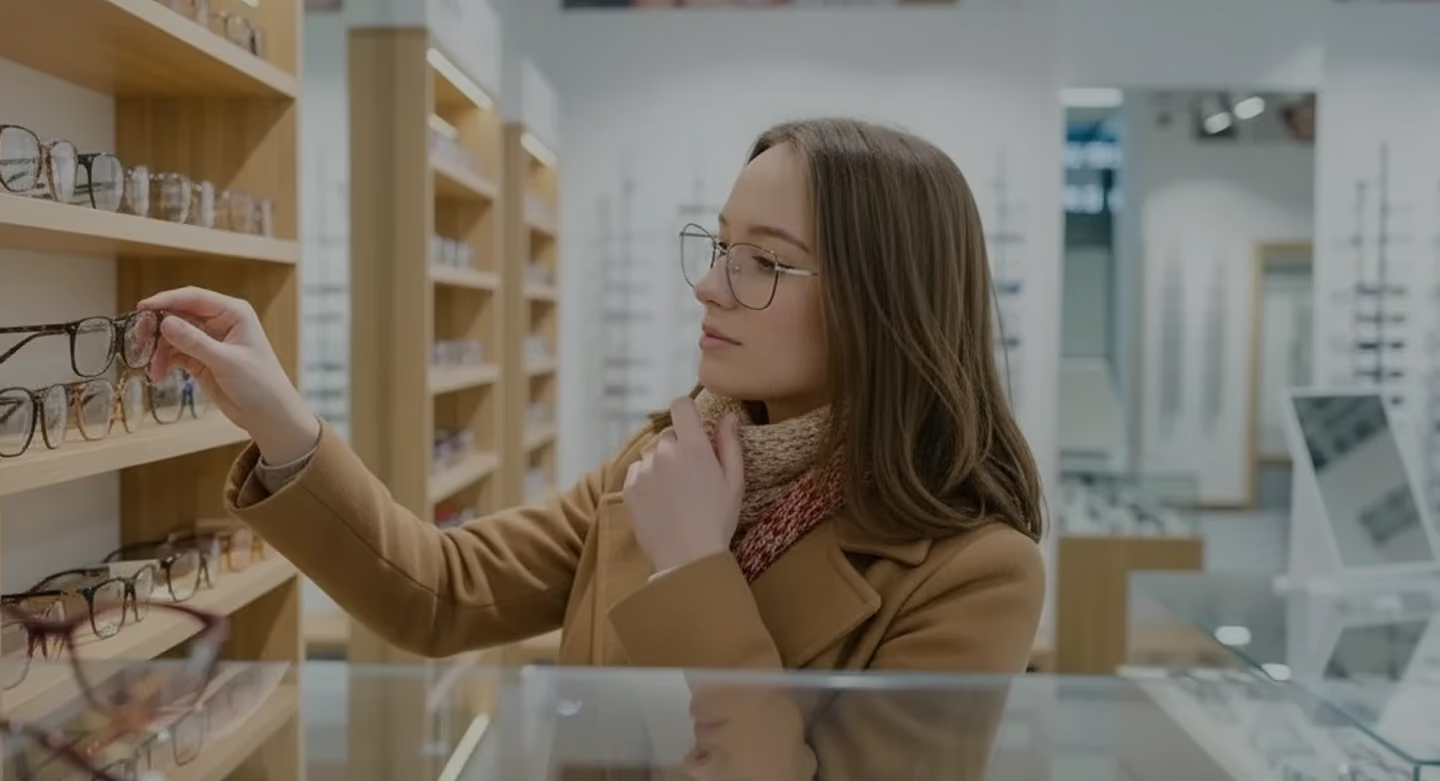
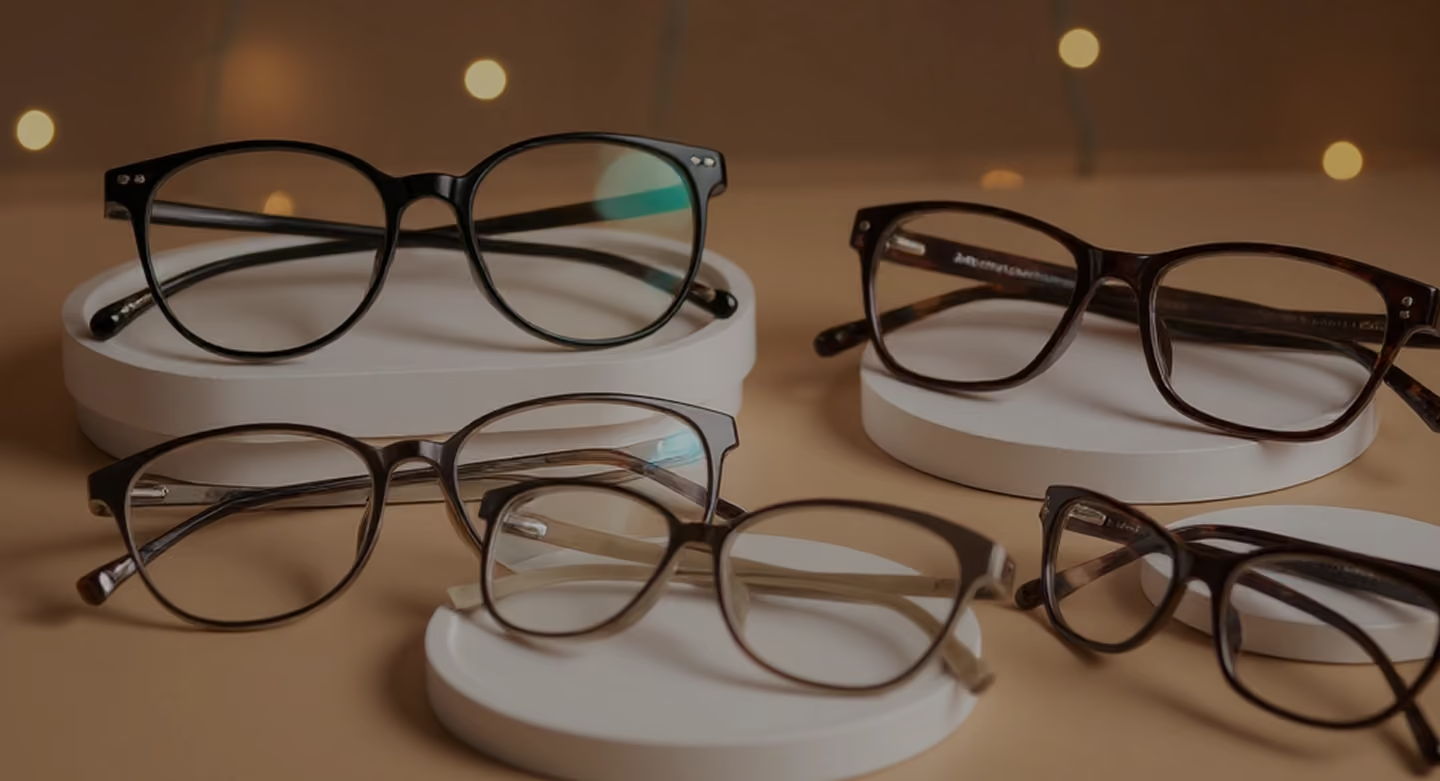
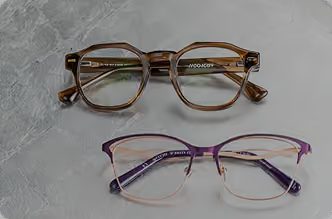
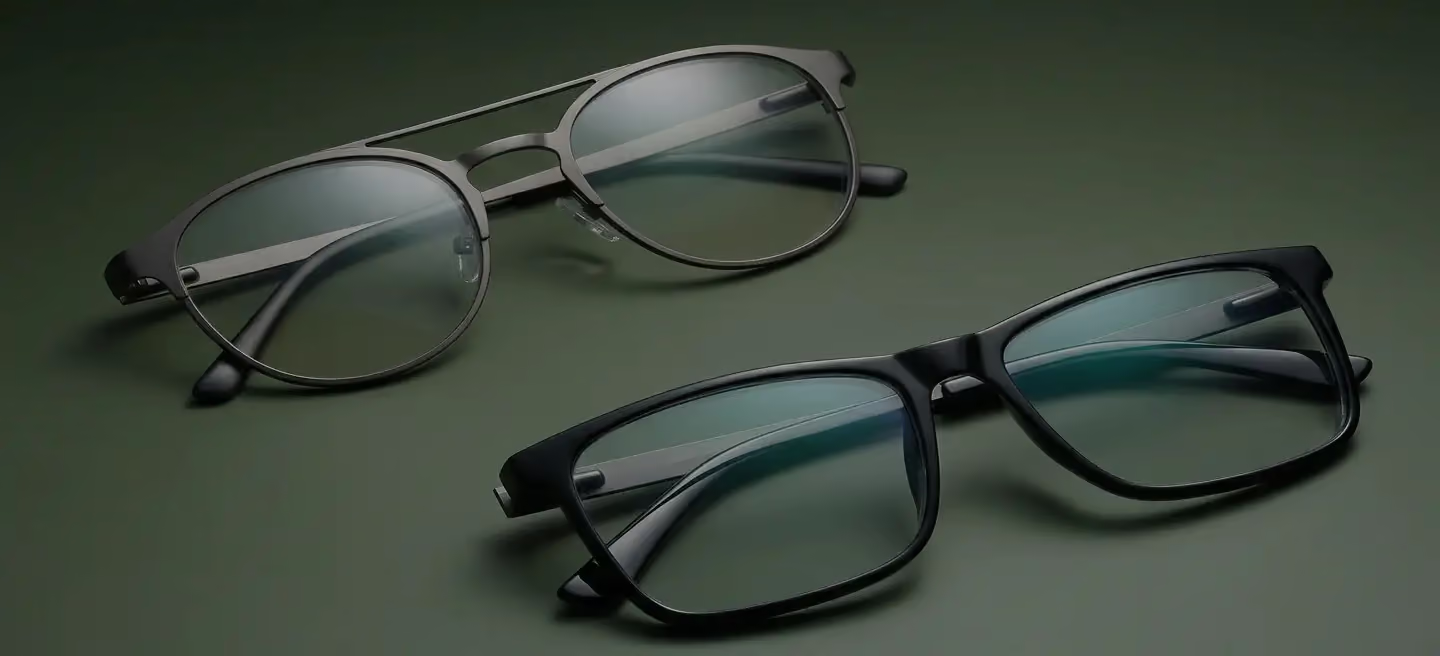
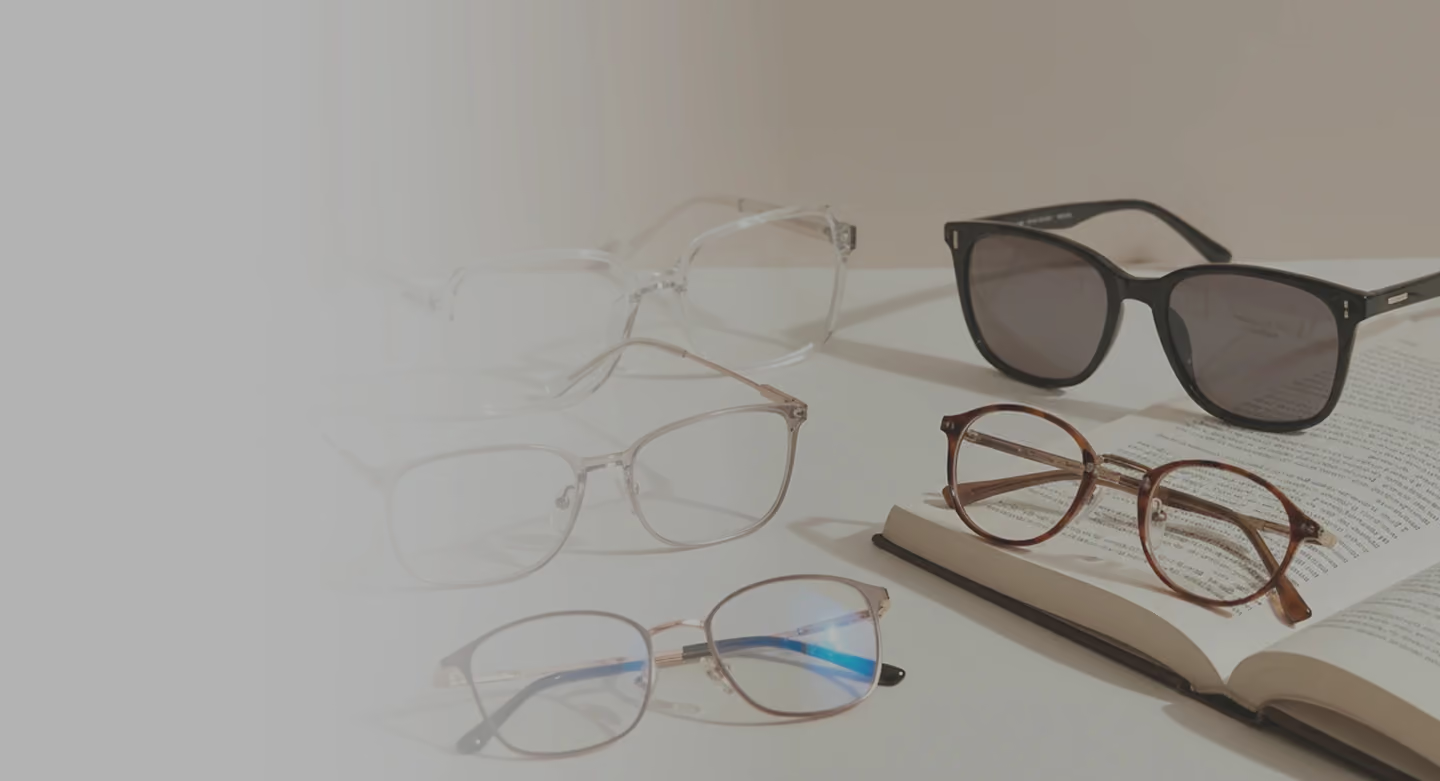
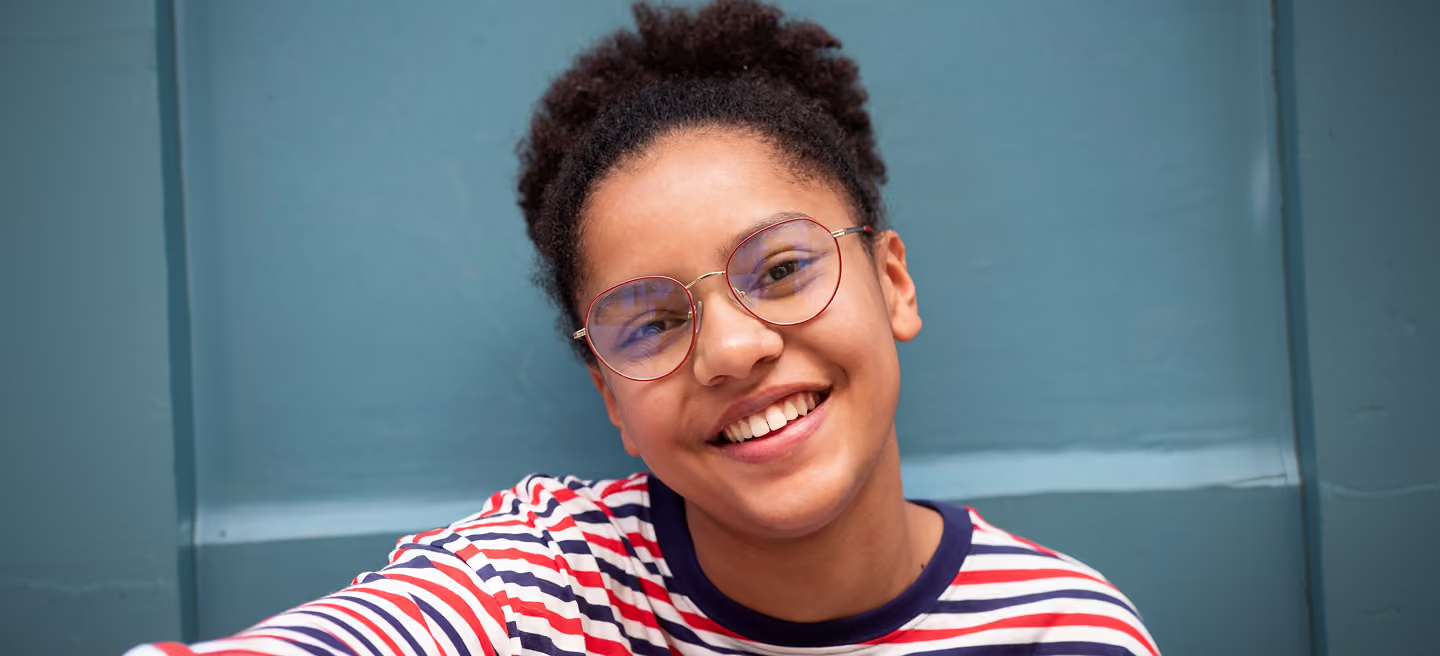
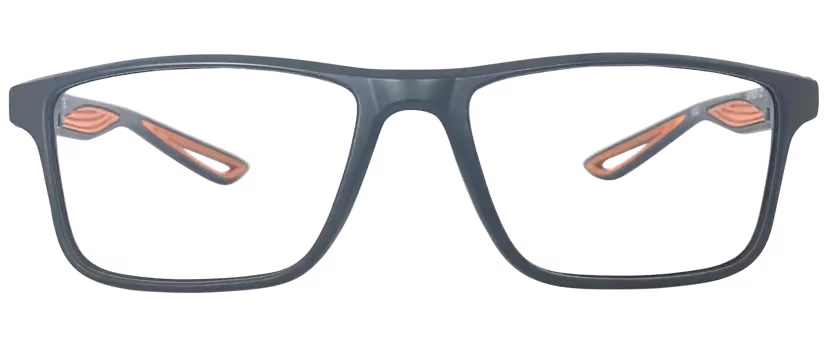
If an eye exam identifies nearsightedness, farsightedness, astigmatism, or focusing challenges, kids eye glasses may be recommended to help your child see more clearly and comfortably throughout the day.
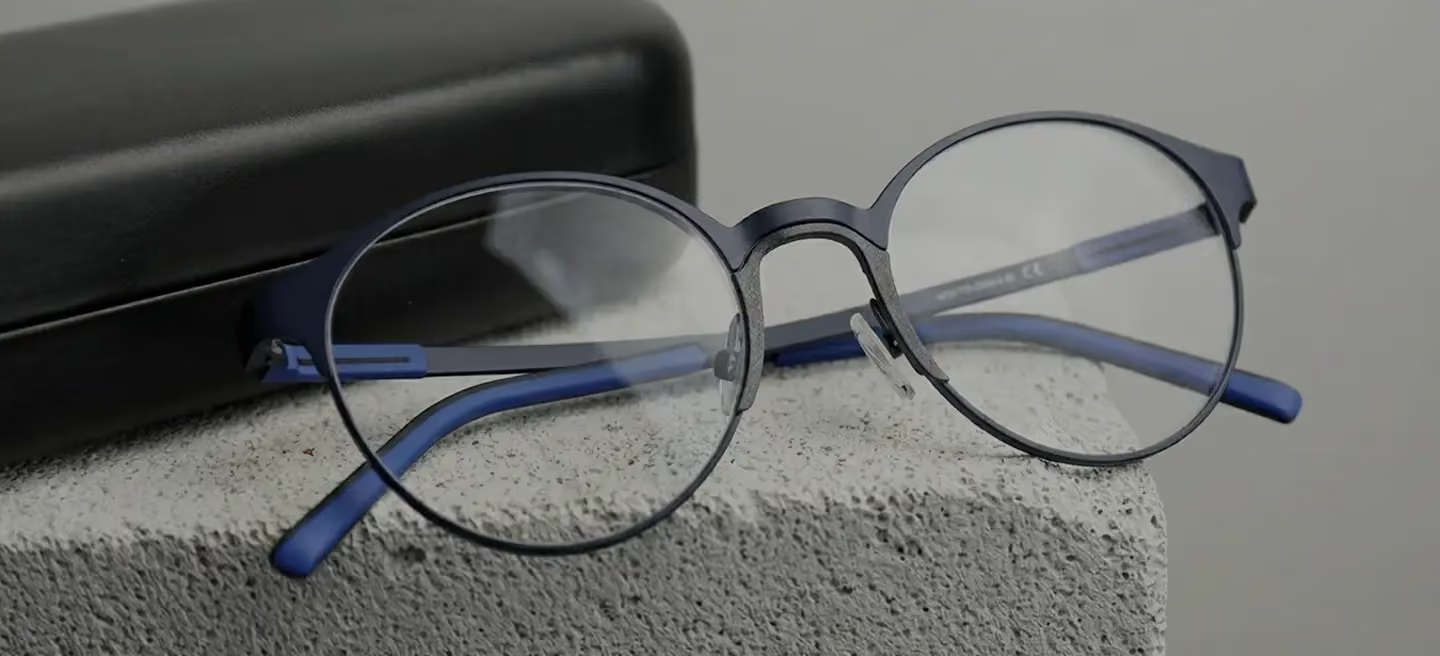
The right pair should do more than correct vision; children need glasses that feel secure, lightweight, and easy to wear from morning to afternoon, since comfort plays a big role in consistency and kids are far more likely to keep wearing glasses that feel natural.
Important features often include:
- Durable materials
- Comfortable fit around the nose and ears
- Lenses designed for daily school and activity use
- Styles children feel confident wearing
When children like how their glasses look and feel, consistency becomes easier.
Why a Modern Eye Exam Makes the Process Easier
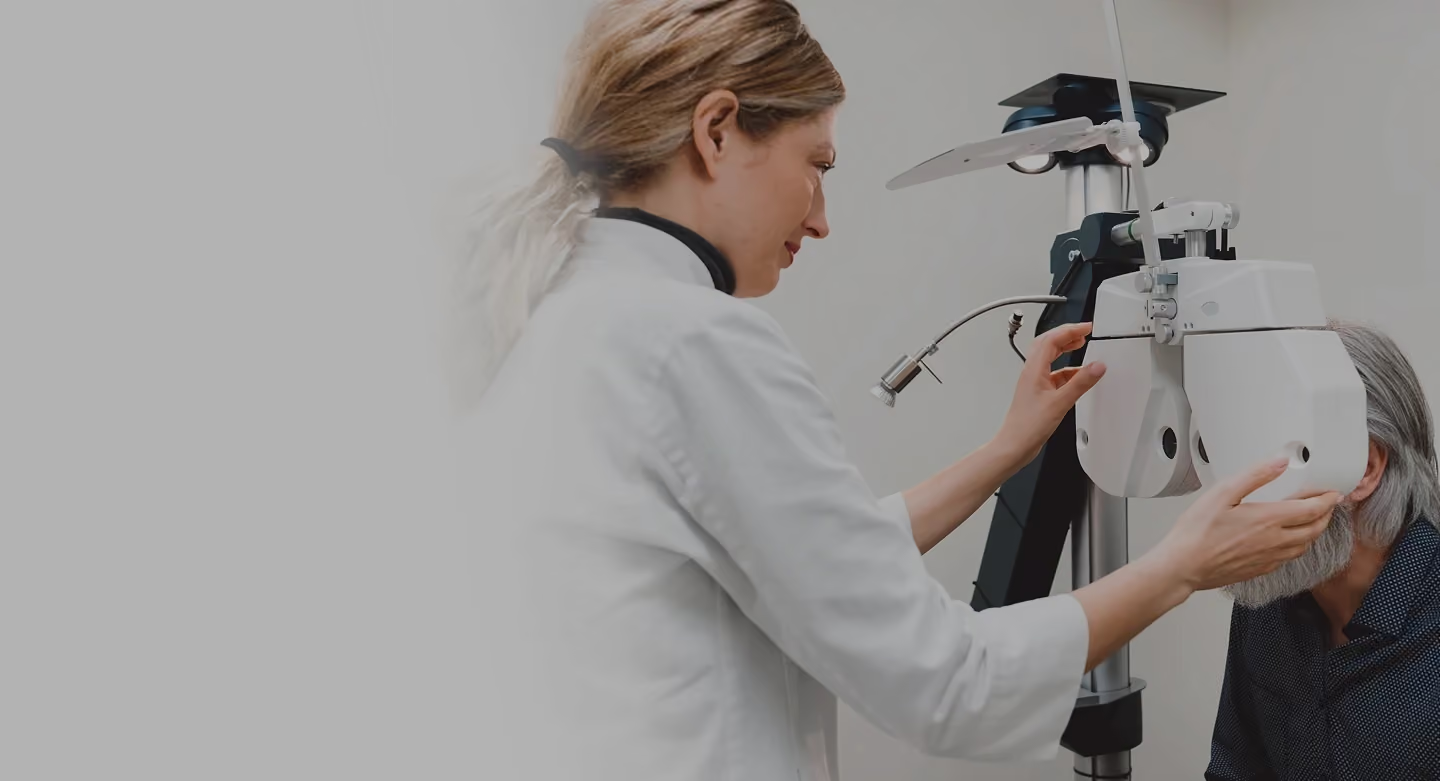
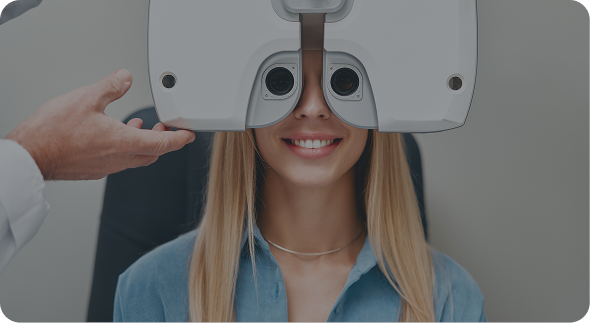
Many parents delay appointments because they expect the process to be time-consuming or stressful; however, modern eye care is often far simpler than expected, making it easier to fit an eye exam into an already busy schedule.
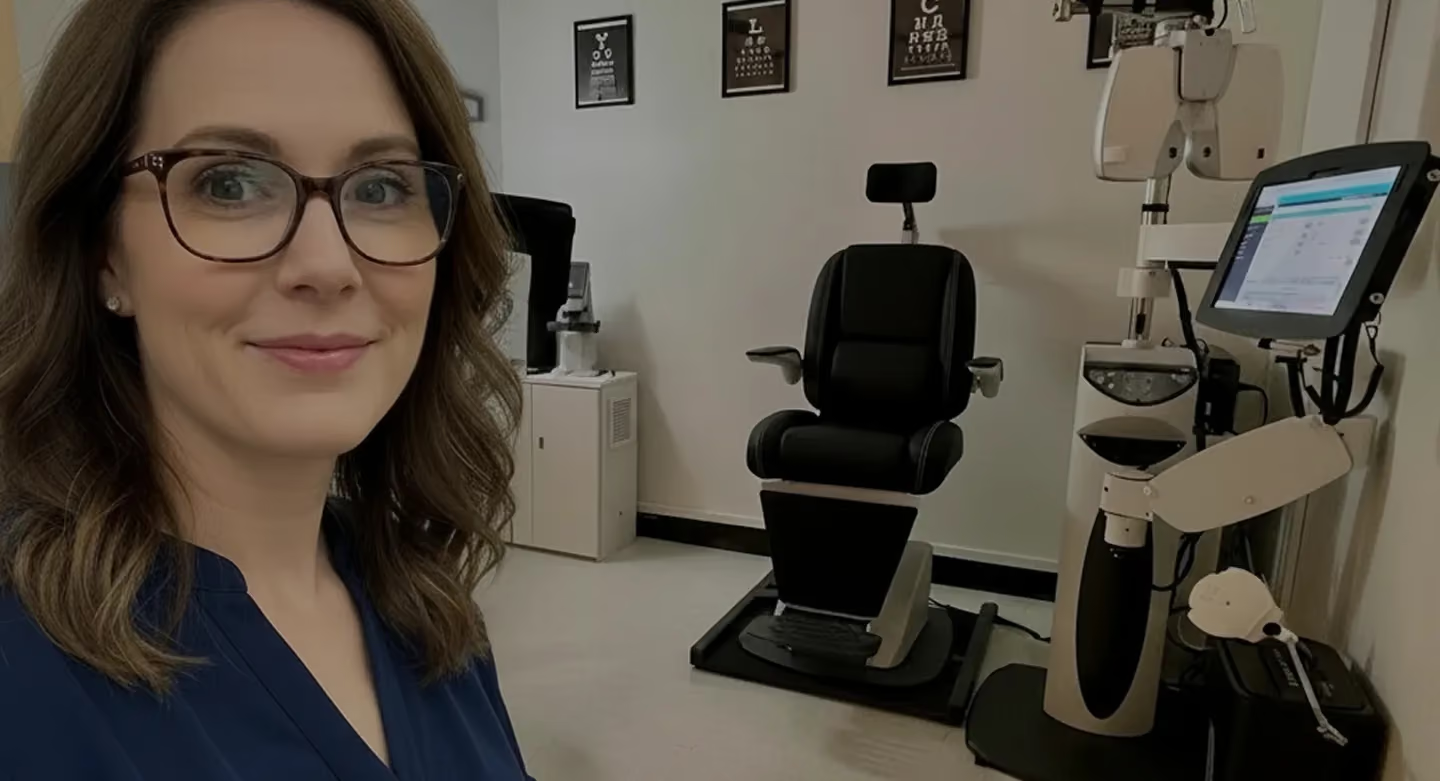
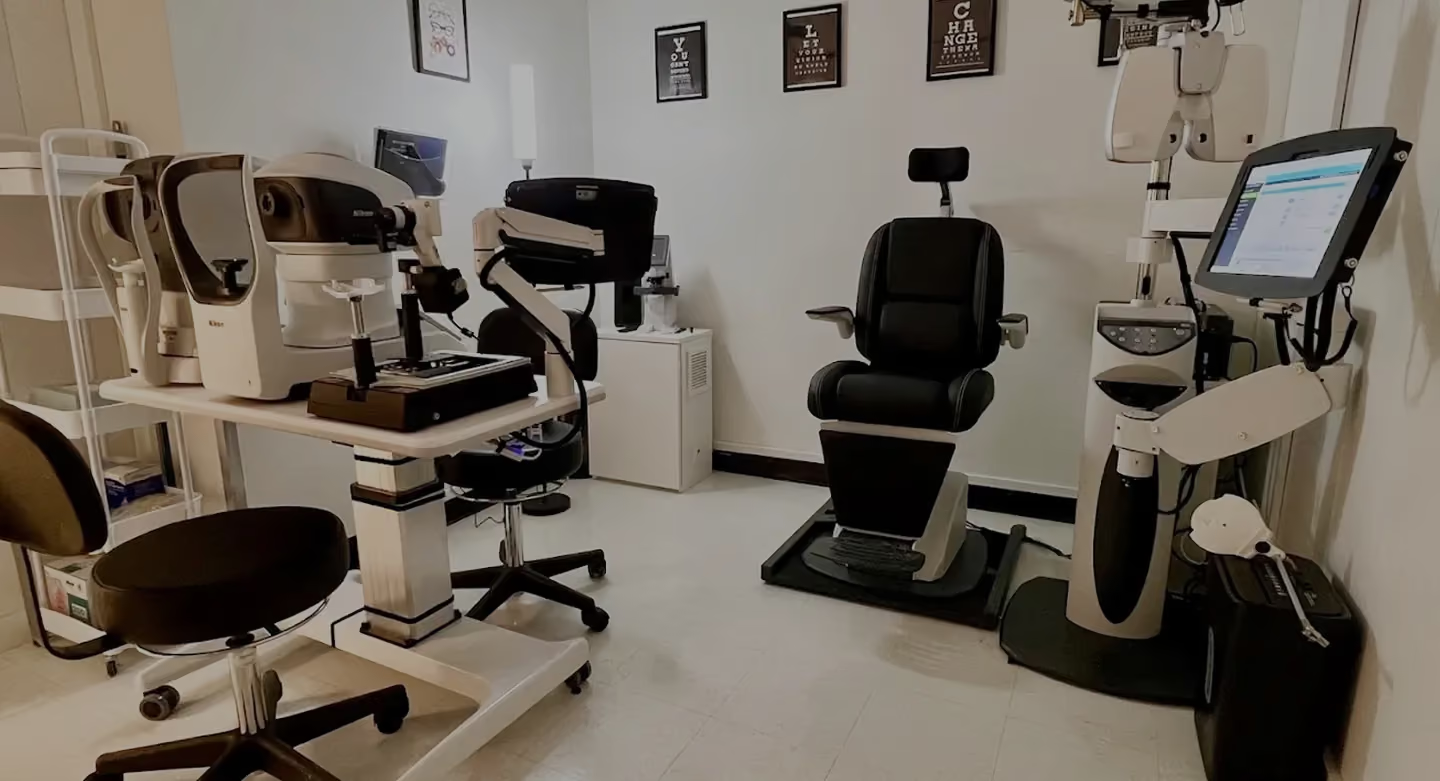
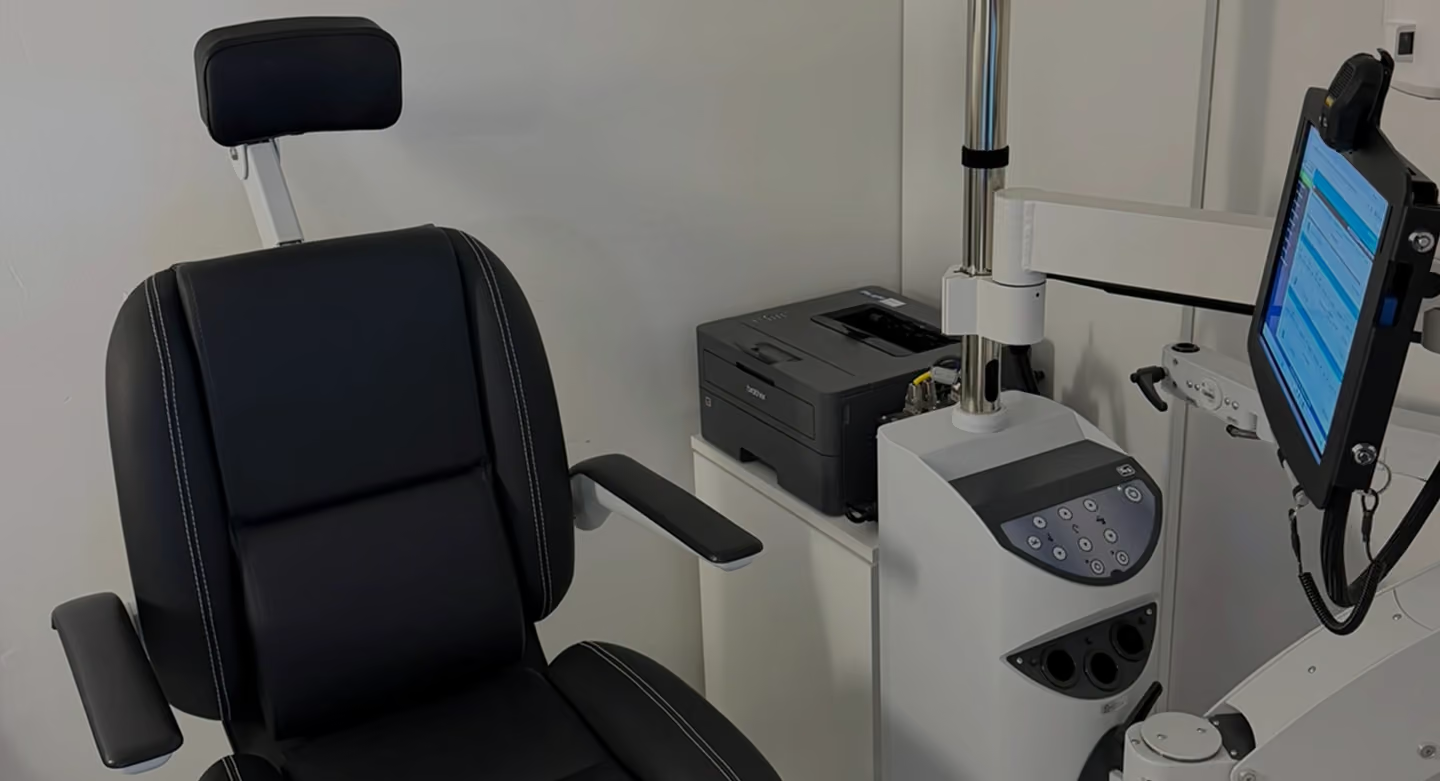
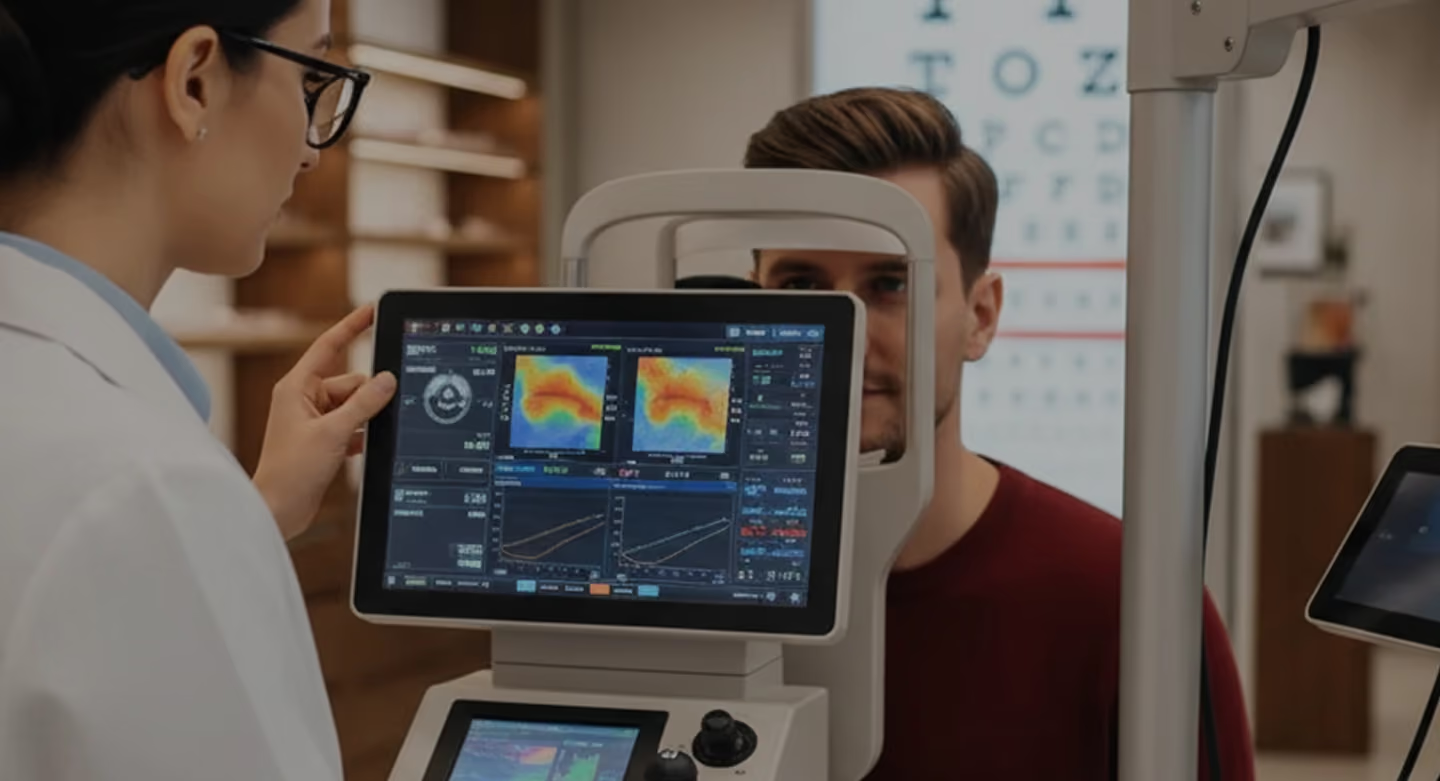
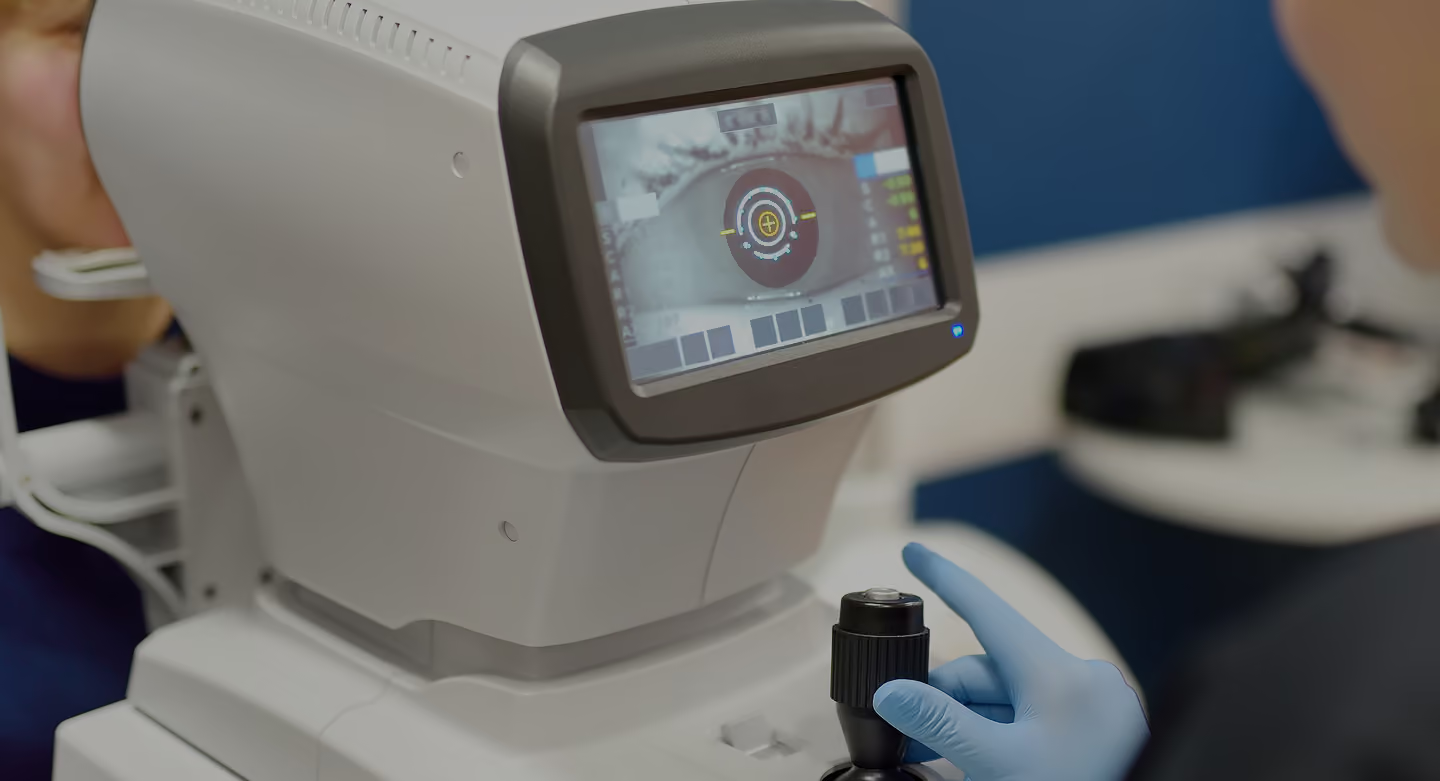
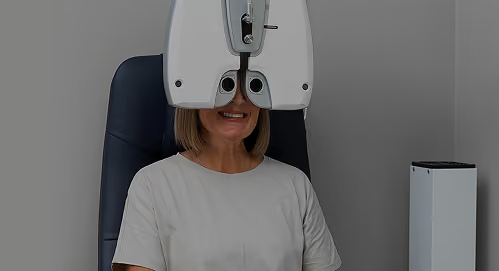
At Visology, digital eye exam technology helps make exams efficient, clear, and family-friendly. Advanced tools support accurate measurements while reducing unnecessary delays, which can be especially helpful for children with busy schedules or shorter attention spans; combined with the warm, friendly support patients receive from associates, the experience feels more approachable and comfortable for both children and parents.
Finding Glasses That Fit Growing Faces
Children’s eyewear should be chosen with growth, comfort, and daily movement in mind. Frames that slide, pinch, or feel heavy can quickly become frustrating, even when the prescription is correct.
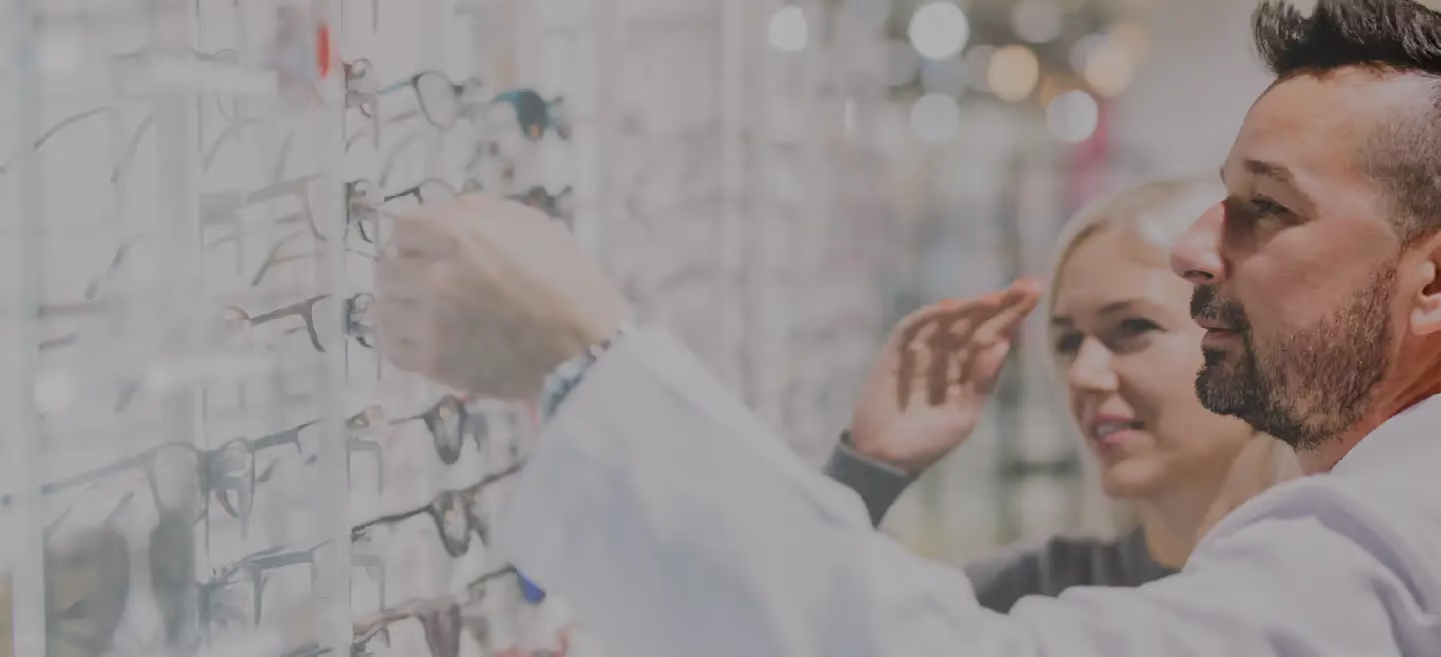
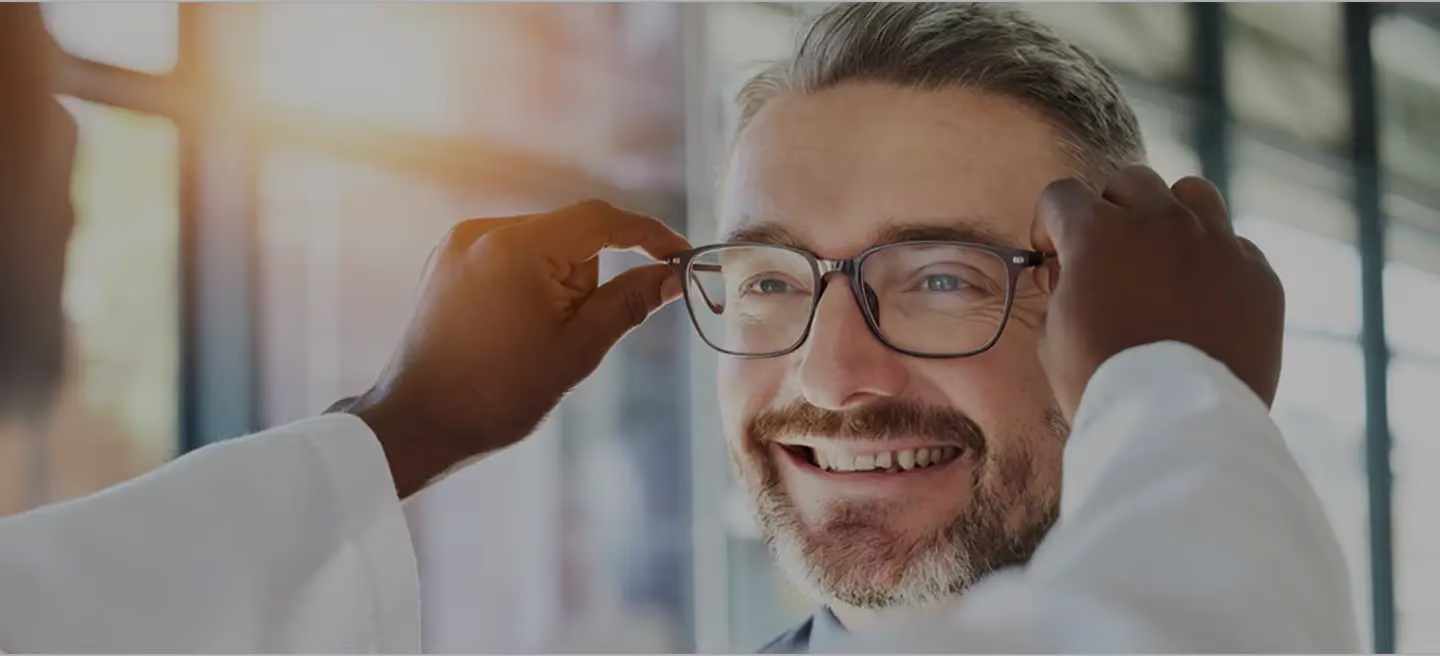
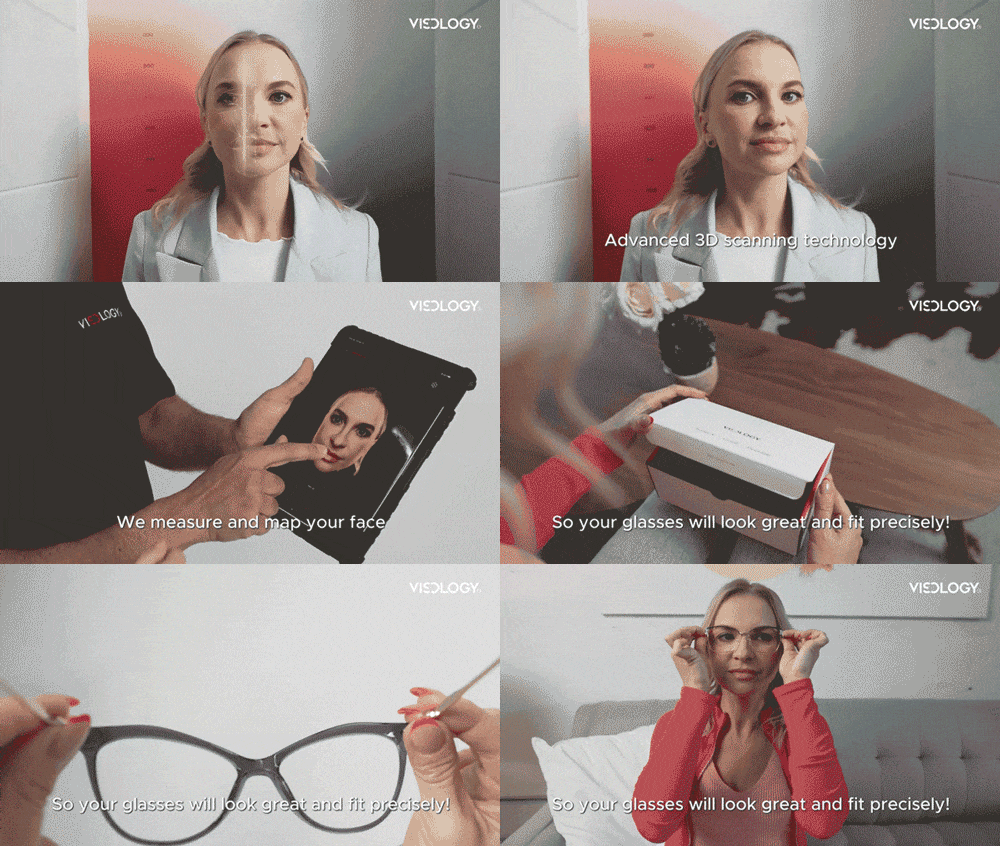
Visology’s approach to eyewear fitting includes tools such as 3D facial mapping technology, which helps guide frame selection based on facial proportions and fit. This makes it easier to choose glasses that feel balanced and comfortable from the start.
If you would like to explore nearby locations, visit this link.
Supporting Confidence Through Clear Vision
For many children, the biggest benefit of glasses is not only sharper vision, but how they feel once everyday tasks become easier. Reading can feel smoother, classroom participation may improve, and frustration often decreases when seeing clearly no longer requires extra effort.
Children rarely say, “I think I need glasses”; instead, they show signs through habits and behavior. Recognizing those signals early helps parents respond with confidence and support.
When vision care feels simple and the right glasses feel natural, children are better positioned to focus on learning, play, and growing every day.


.avif)
.avif)