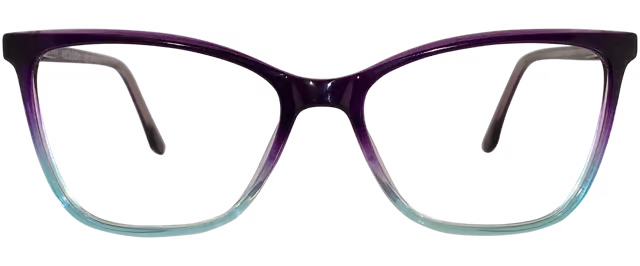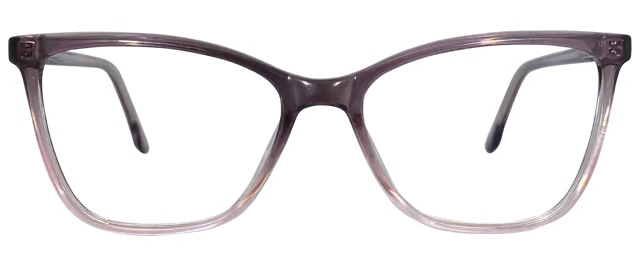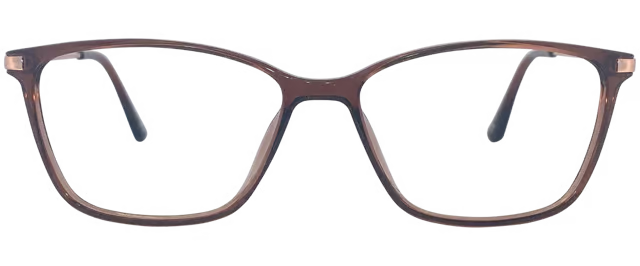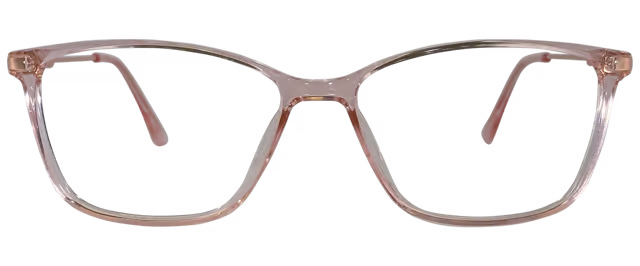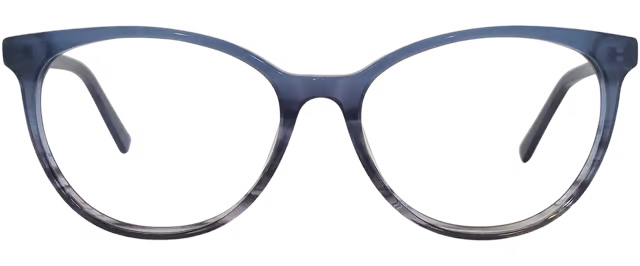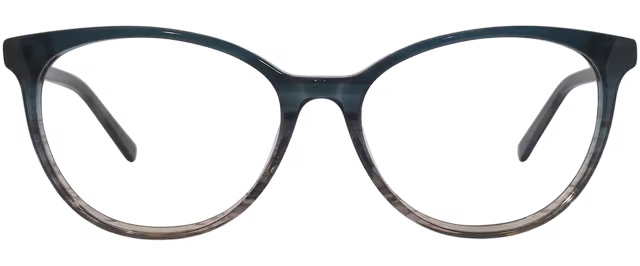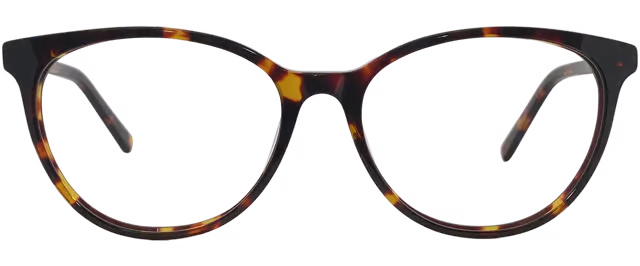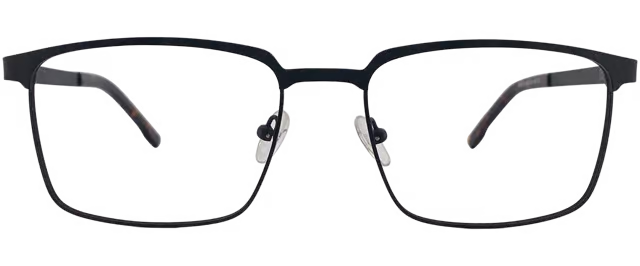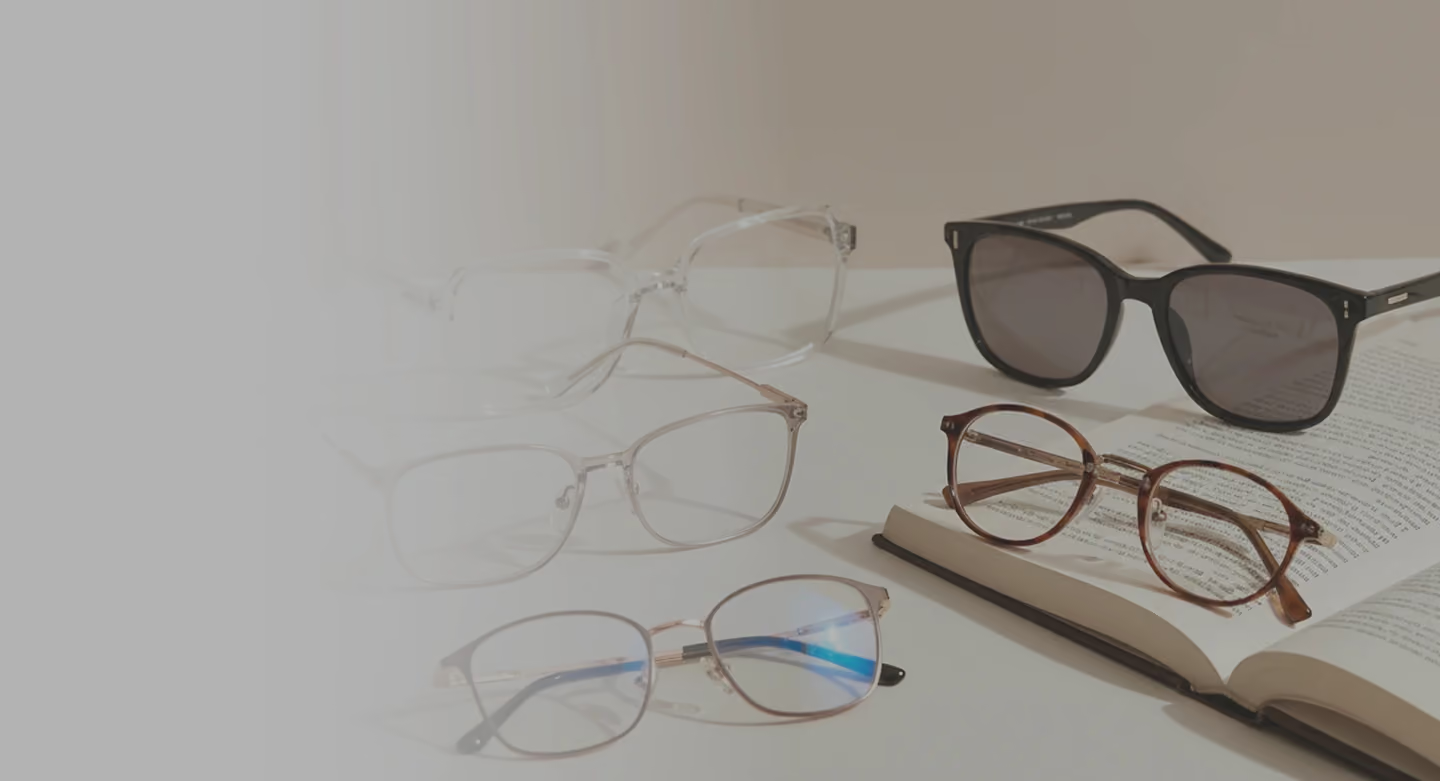

Screens have become part of everyday life; from work laptops to smartphones and late-night streaming, many people now spend hours looking at digital displays; as a result, blue light glasses have grown in popularity, often recommended as a way to reduce visual discomfort and screen fatigue.
At the same time, questions frequently appear online: can blue light glasses damage your eyes? The short answer is no; however, understanding what these lenses actually do, and what they do not do helps clarify their role in modern eye care.
Rather than replacing proper eye care, blue light glasses are simply one tool that can support visual comfort when used appropriately.
What Are Blue Light Glasses?
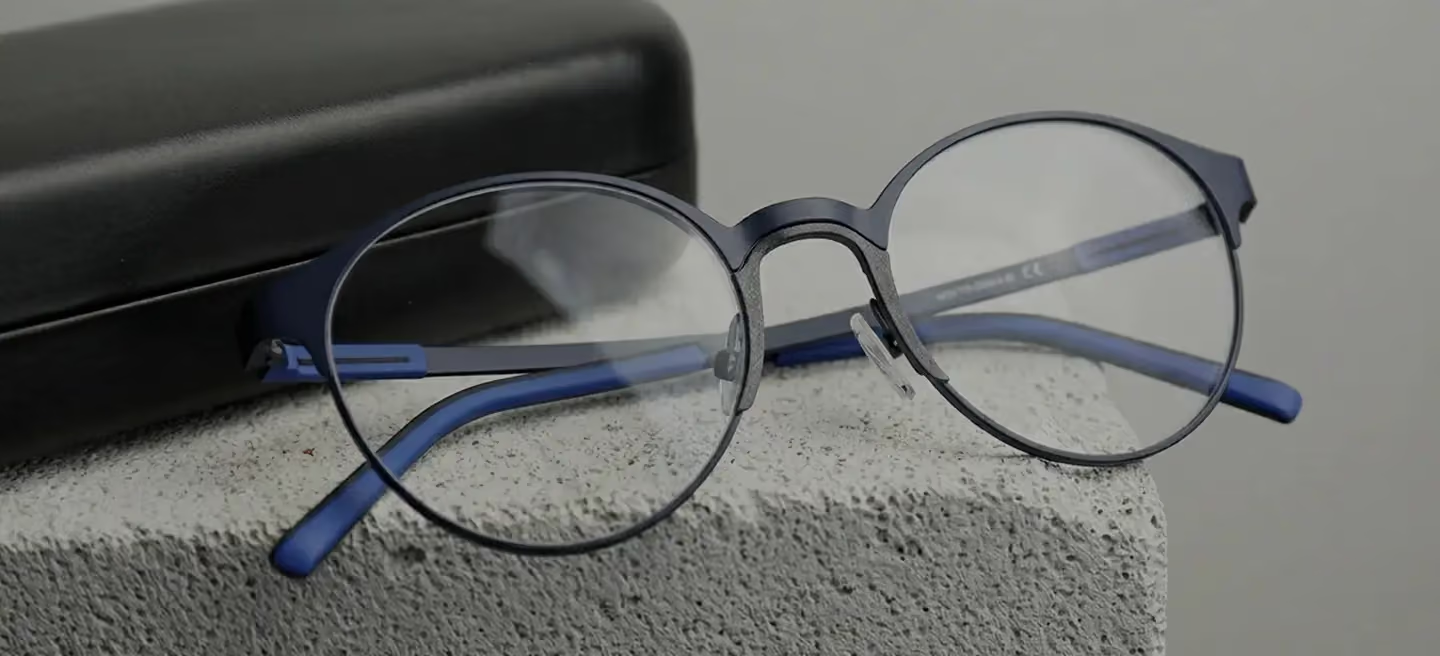
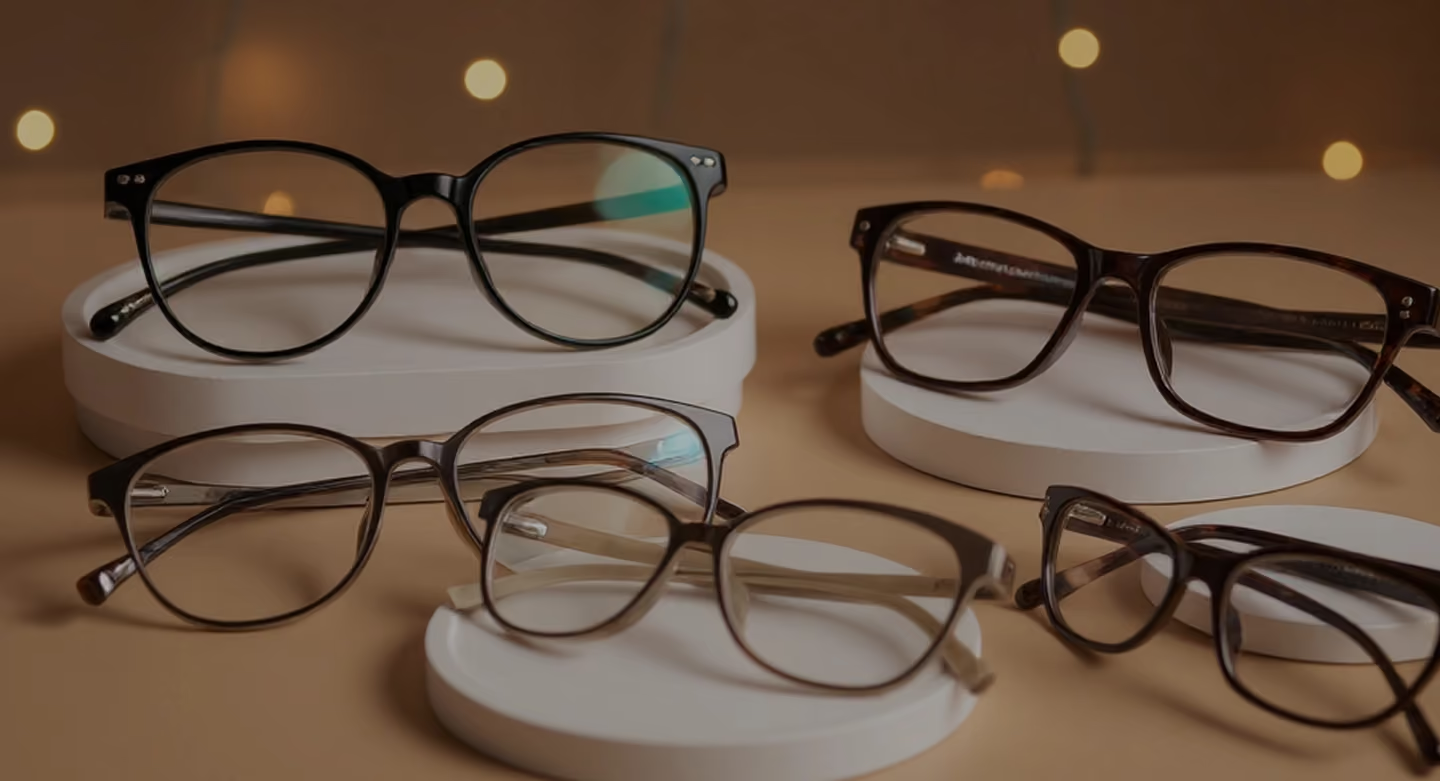
Blue light glasses are lenses designed to filter part of the blue light emitted by digital screens; this includes light from computers, tablets, smartphones, and LED lighting.
Most designs achieve this effect through specialized coatings or lens materials that selectively reduce certain wavelengths of light while maintaining overall visual clarity. Because of this, the glasses do not change how the eye functions; instead, they slightly adjust how light reaches the retina.
In practice, blue light glasses are often used by people who:
- Spend many hours working on computers
- Experience digital eye strain
- Use screens frequently during the evening
The goal is not to block all blue light, but to improve visual comfort during prolonged screen use.
Can Blue Light Glasses Damage Your Eyes?
No, blue light glasses do not damage your eyes.
These lenses are passive optical filters, meaning they do not alter the eye itself or interfere with how the eye processes images. Instead, they modify how certain wavelengths of light pass through the lens, which may reduce glare and visual fatigue during screen use.
Because of this, wearing blue light glasses does not weaken the eyes or create dependency. They function in the same way as anti-reflective coatings or sunglasses; their role is simply to adjust incoming light to improve comfort.
What they do not do, however, is correct vision problems or replace proper eye care. If vision feels blurry, strained, or inconsistent, the issue may be related to prescription changes rather than screen exposure alone.
Why People Use Blue Light Glasses
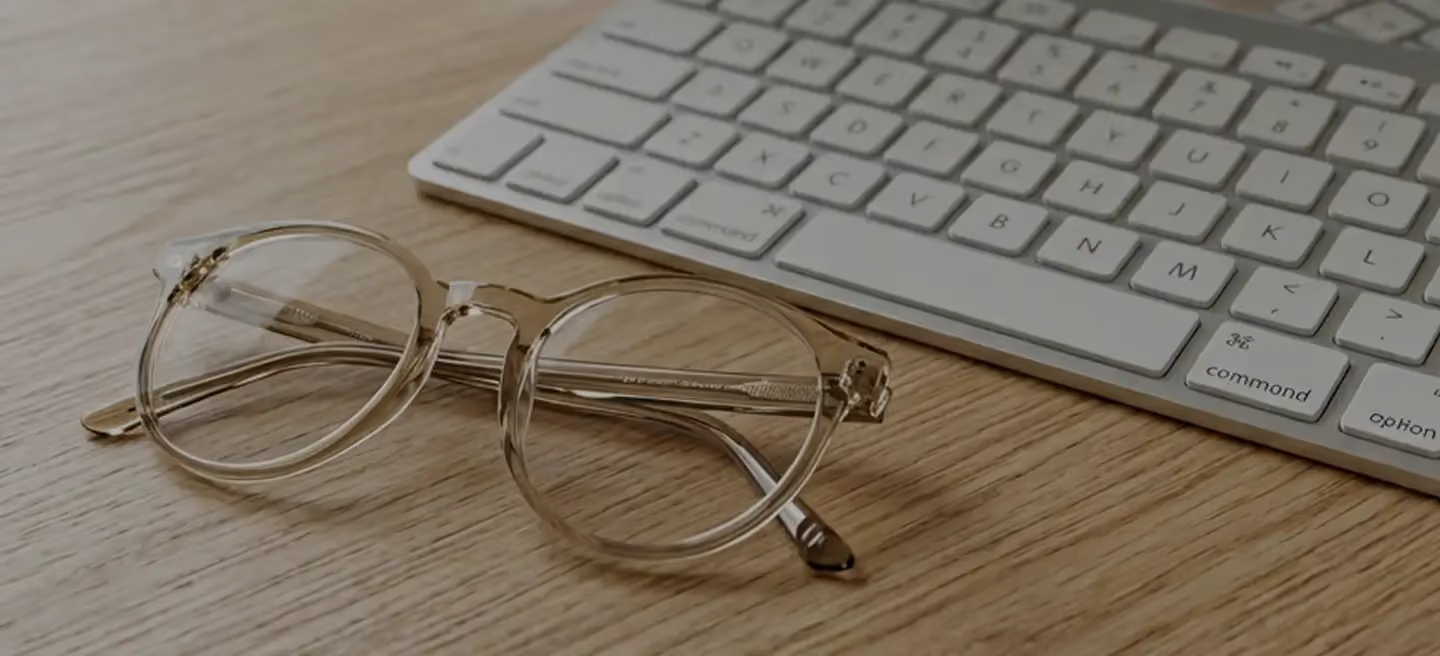
The popularity of blue light glasses is closely tied to how much time people now spend in front of screens. Long hours of digital work can lead to symptoms commonly referred to as digital eye strain, which may include fatigue, dryness, or difficulty focusing after extended screen sessions.
Many users report that blue light glasses help reduce some of these sensations, especially when working on screens for several hours at a time. While results vary from person to person, the perceived benefit often comes from reduced glare and improved visual comfort.
People most commonly use blue light glasses when they:
- Work on computers for extended periods
- Experience tired or dry eyes after screen use
- Use phones or tablets late in the evening
In these situations, lenses designed for computer eye strain glasses can support a more comfortable visual environment.
Do Blue Light Glasses Actually Work?
Blue light glasses can improve comfort for some users; however, their main benefit is related to reducing visual fatigue rather than preventing eye disease.
The most common advantages reported by users include:
- Reduced screen glare
- Improved comfort during long digital sessions
- Less eye fatigue at the end of the day
At the same time, blue light glasses are only one part of a broader approach to digital eye care. Lighting conditions, screen brightness, posture, and prescription accuracy all play important roles in maintaining comfortable vision.
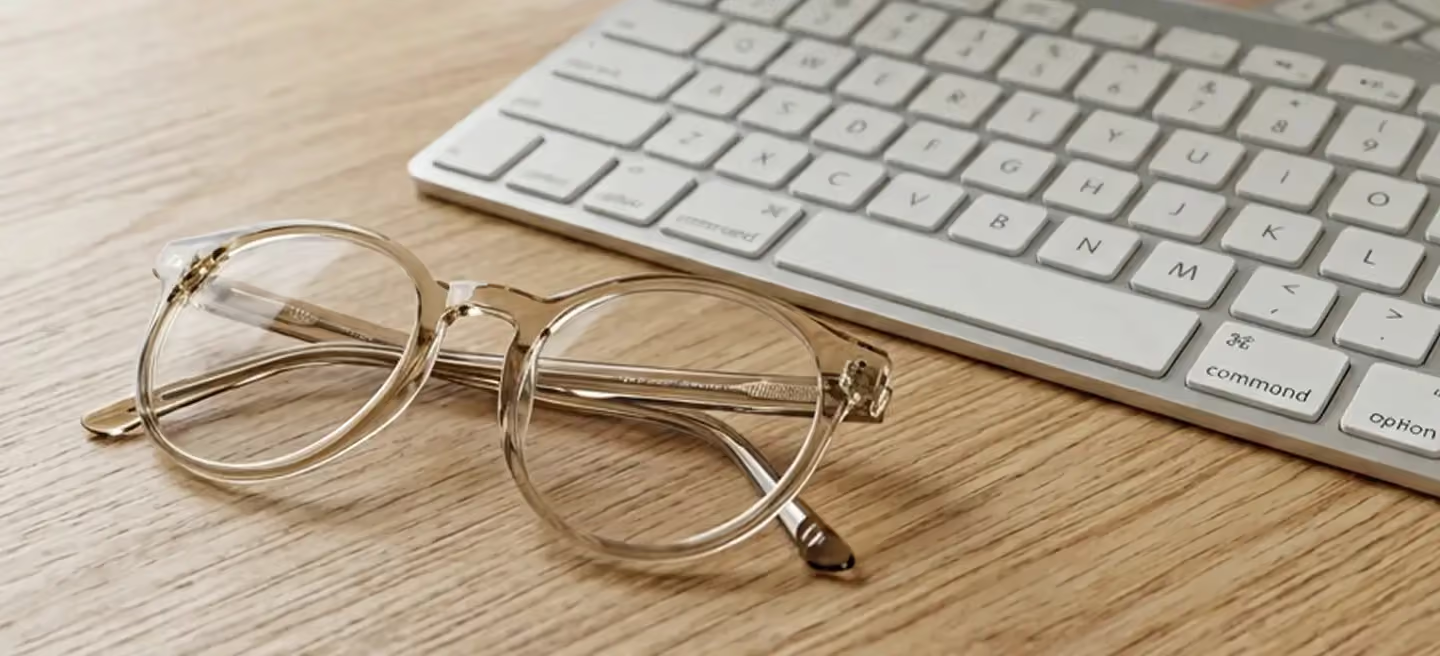
When Blue Light Glasses Make the Most Sense
Blue light filtering lenses tend to be most useful for people who regularly spend long hours looking at digital displays. Because the modern workday often involves multiple screens, visual fatigue can build gradually throughout the day.
Blue light glasses may be particularly helpful for:
- Office professionals working on computers
- Students who study on laptops or tablets
- Remote workers spending extended time on video calls
- People who use screens frequently during evening hours
In these scenarios, the lenses can support visual comfort while maintaining clear vision.
Why Eye Exams Still Matter
Although blue light glasses can improve comfort, they do not replace a proper vision evaluation. In many cases, persistent eye strain is actually caused by an outdated prescription or subtle focusing changes rather than screen exposure alone.
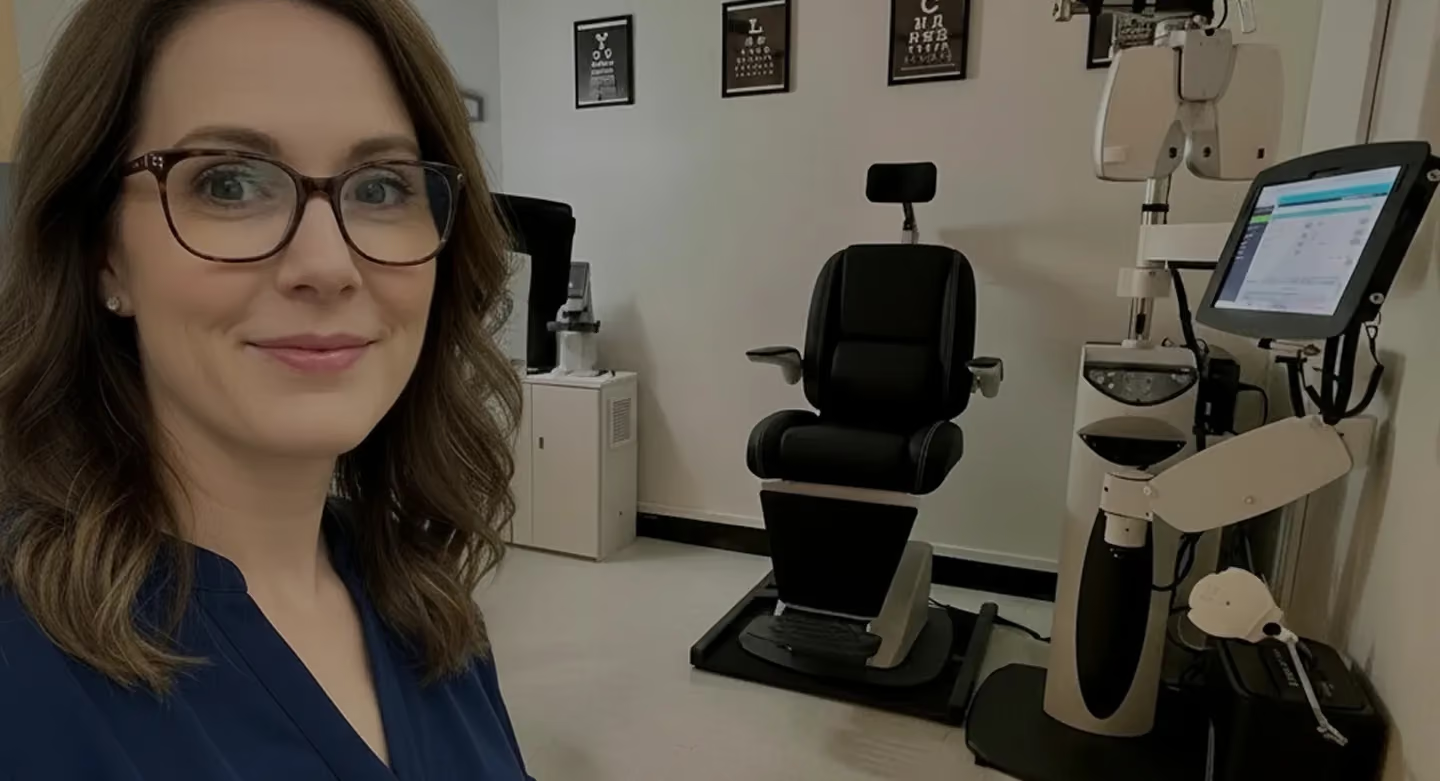
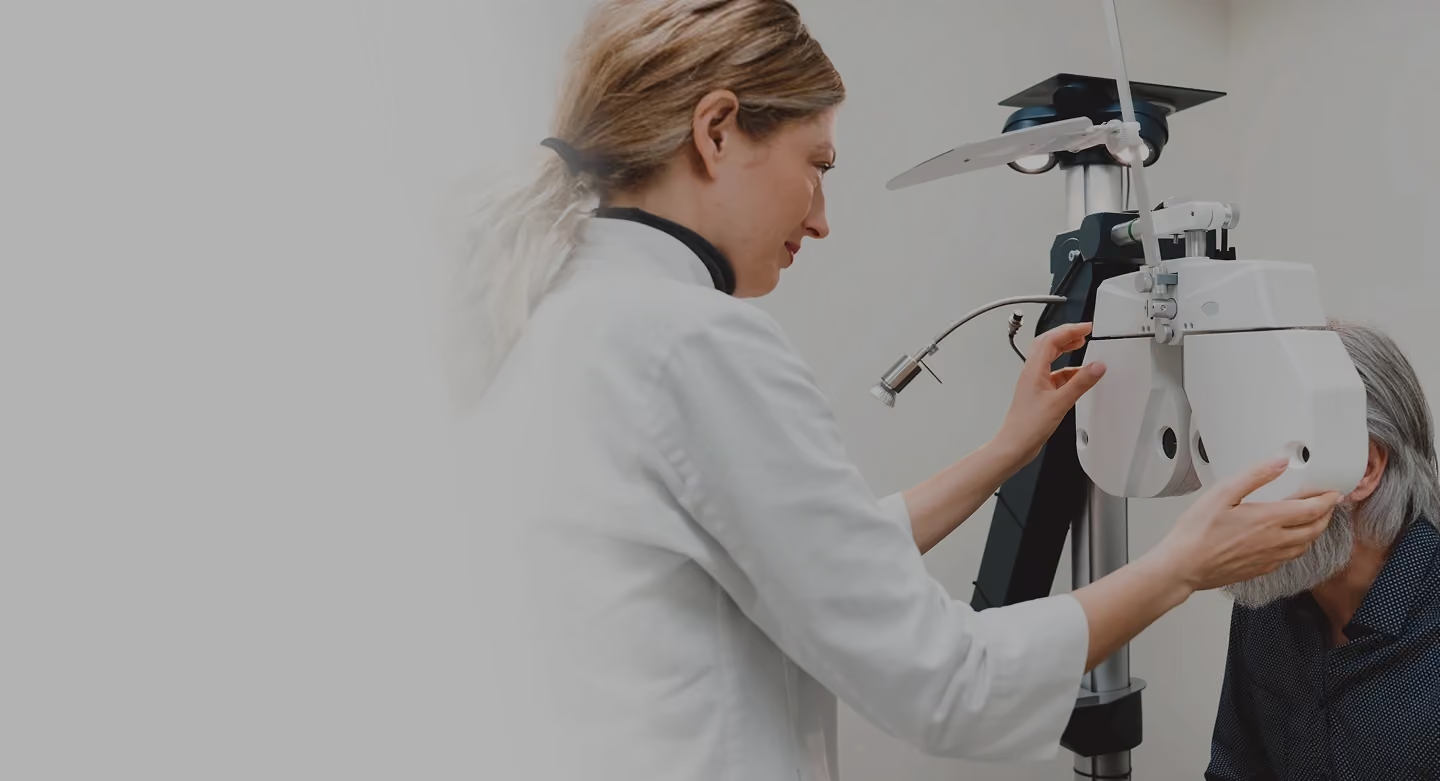
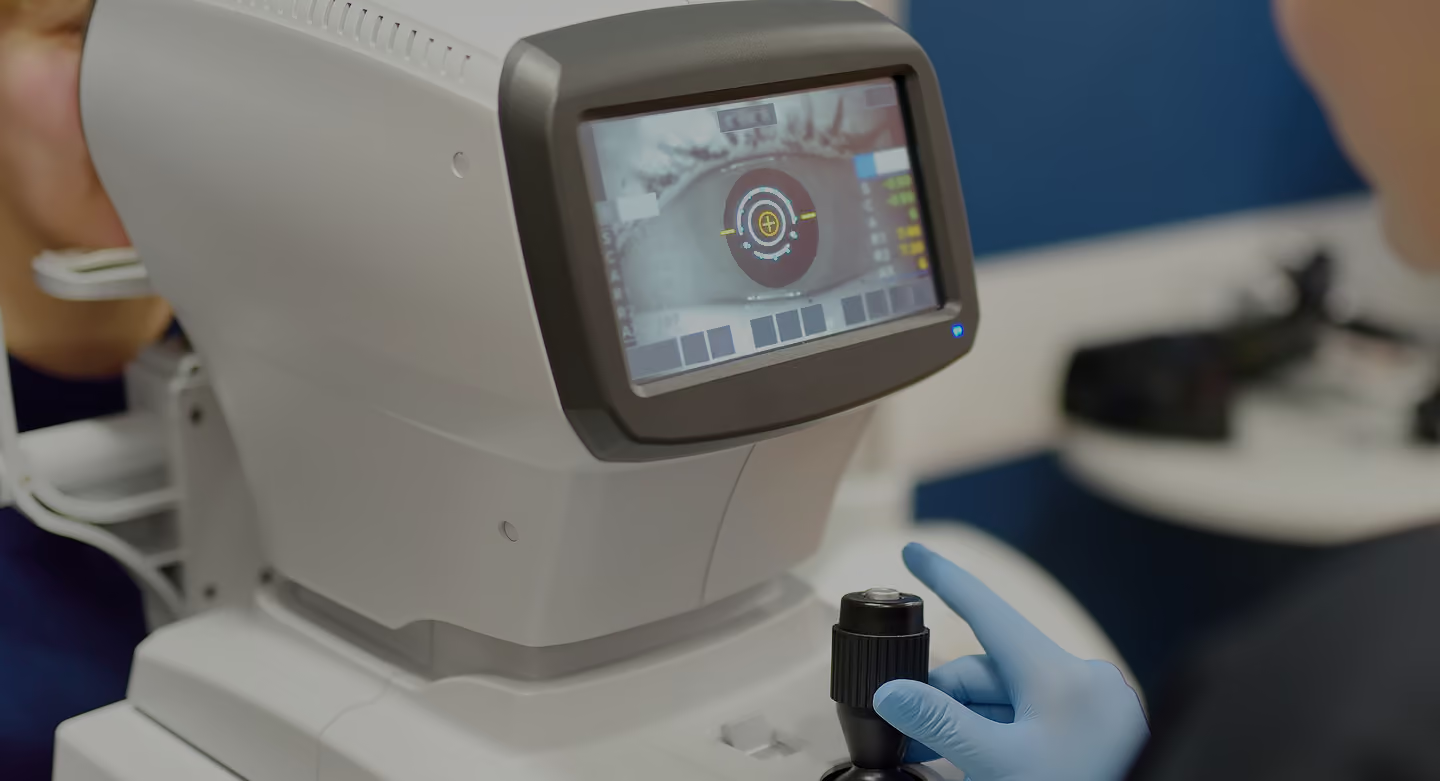
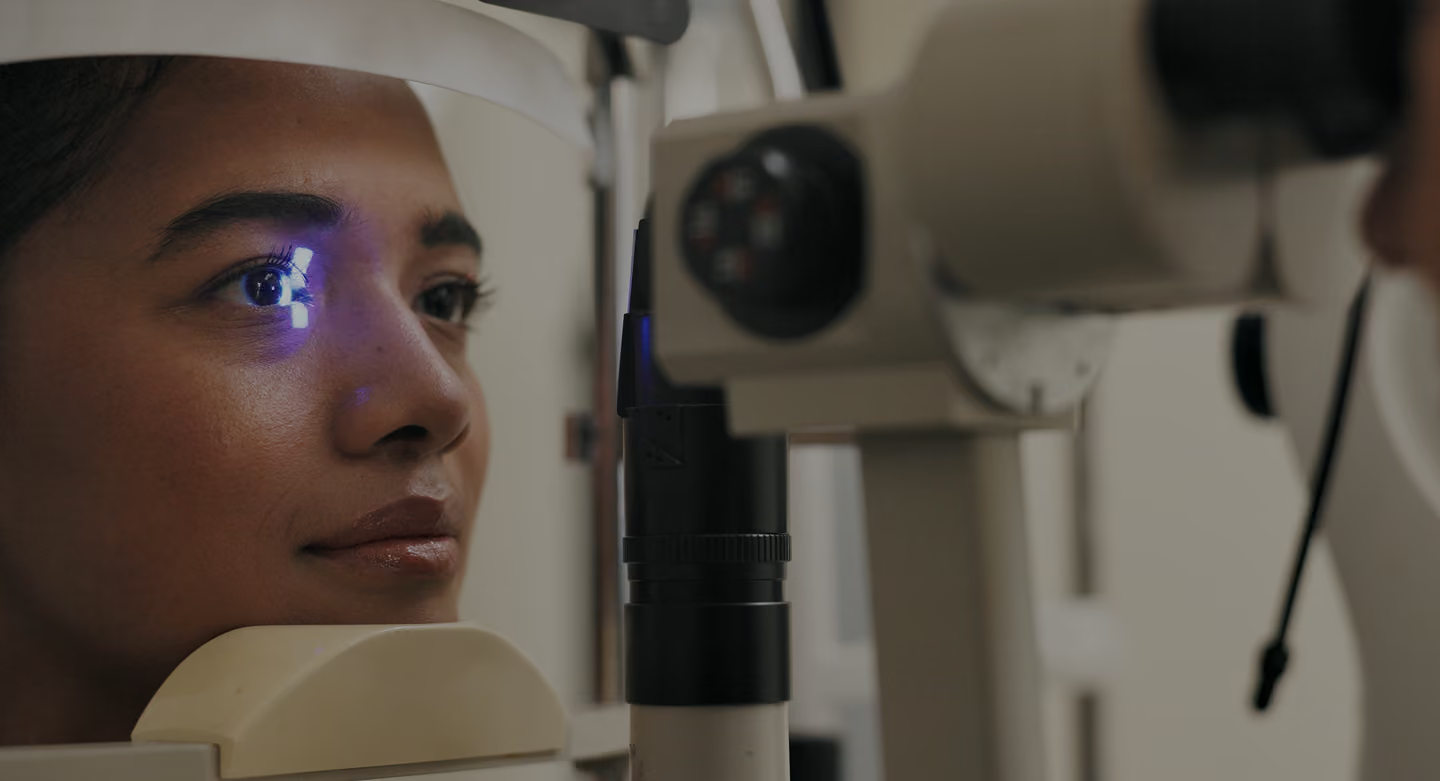
A comprehensive eye exam evaluates how the eyes focus, track, and work together during daily tasks. This makes it possible to identify whether digital discomfort is related to prescription changes, eye fatigue, or environmental factors.
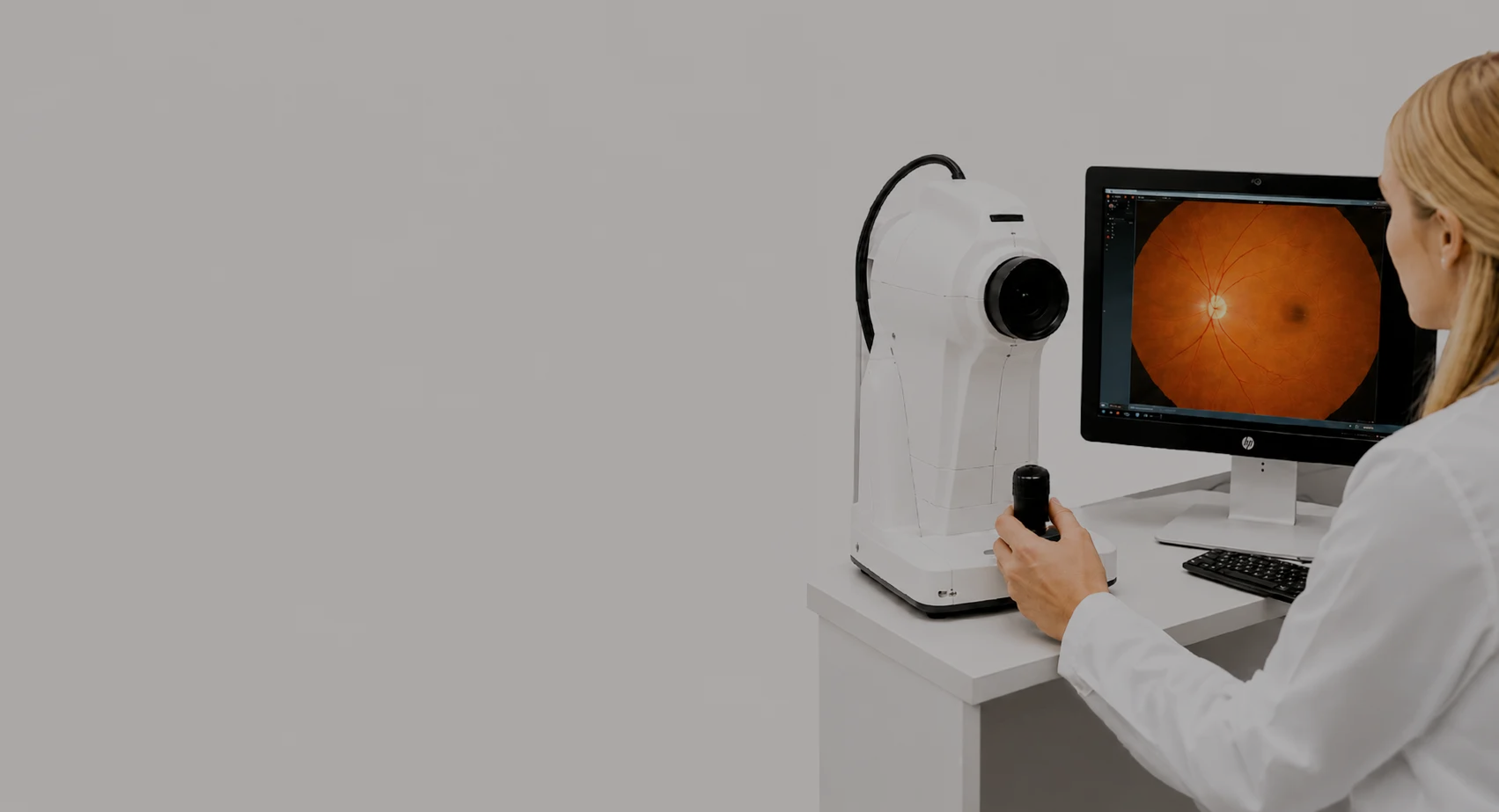
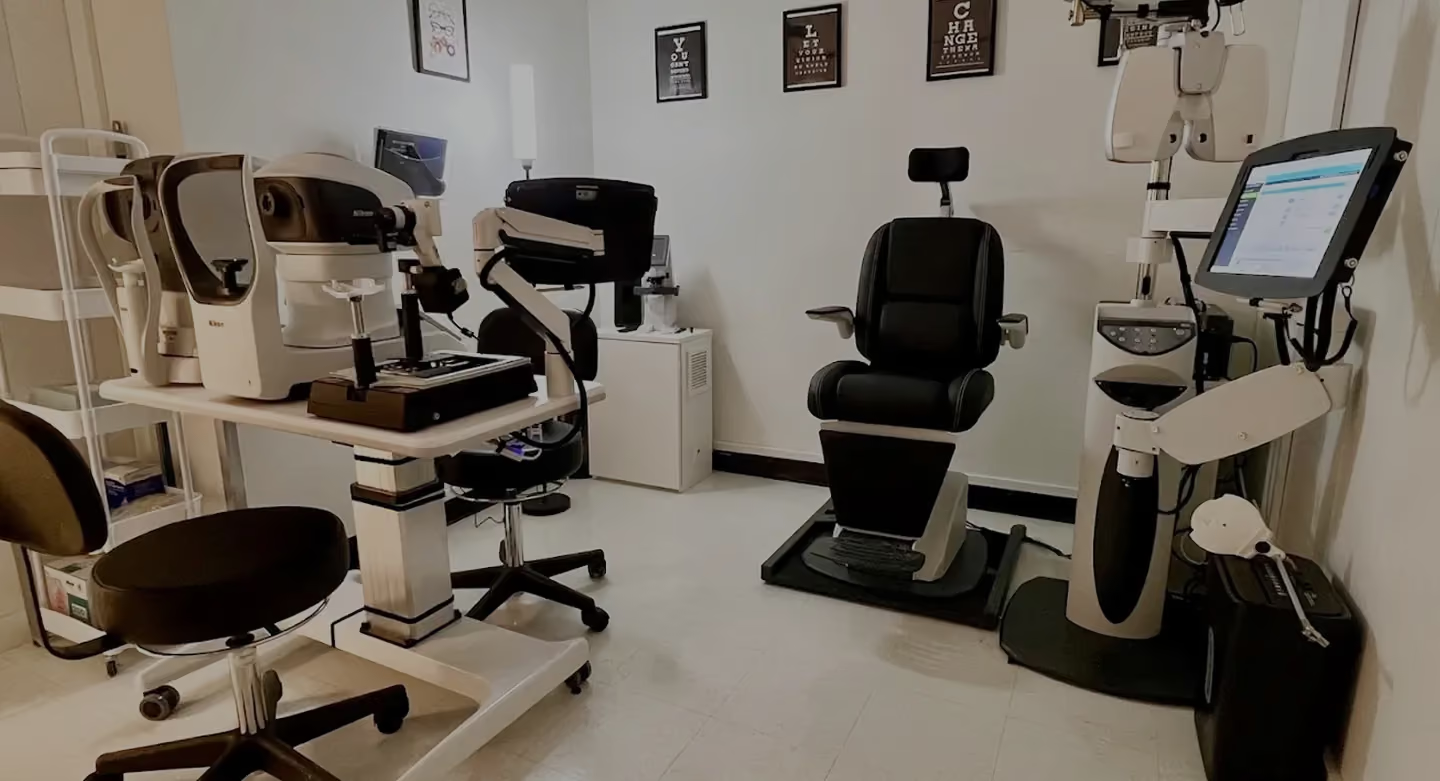
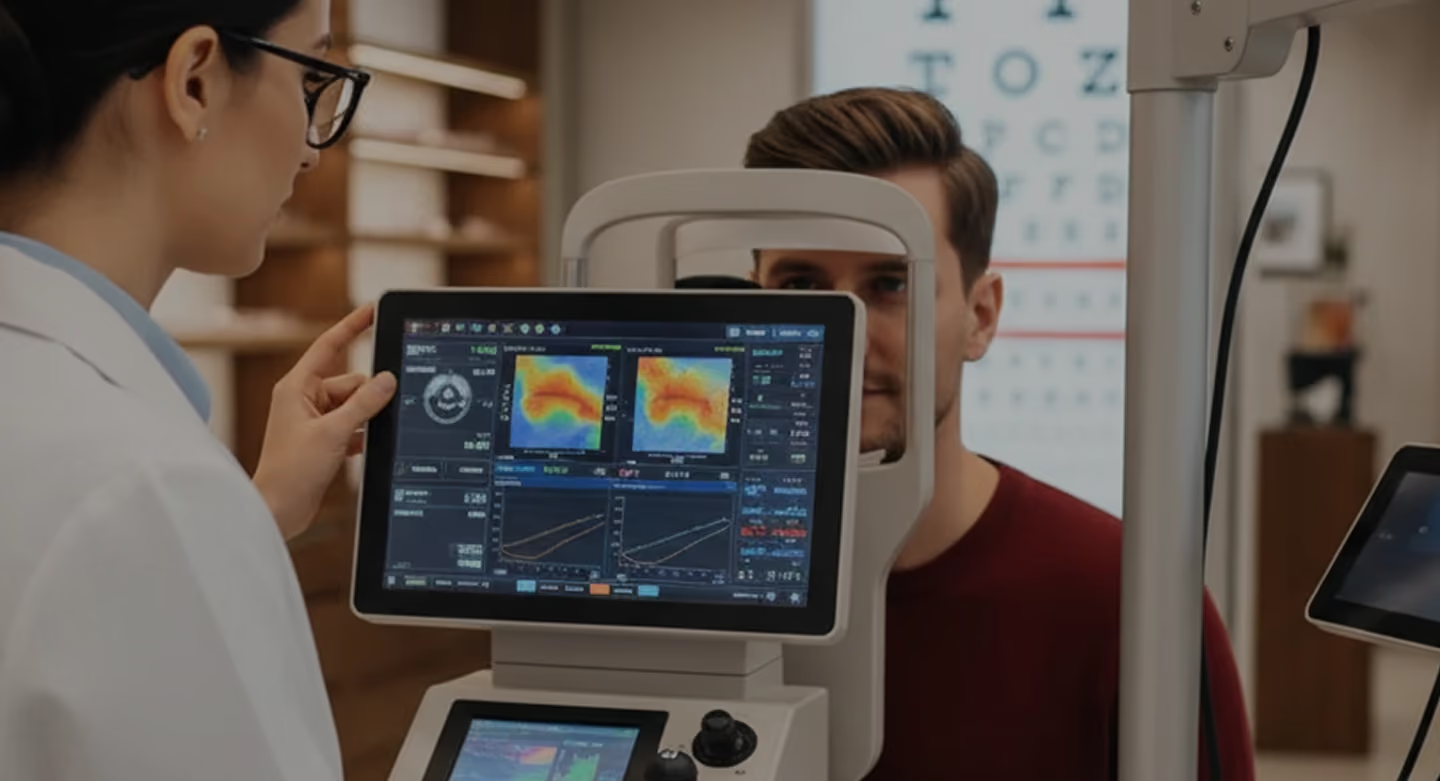
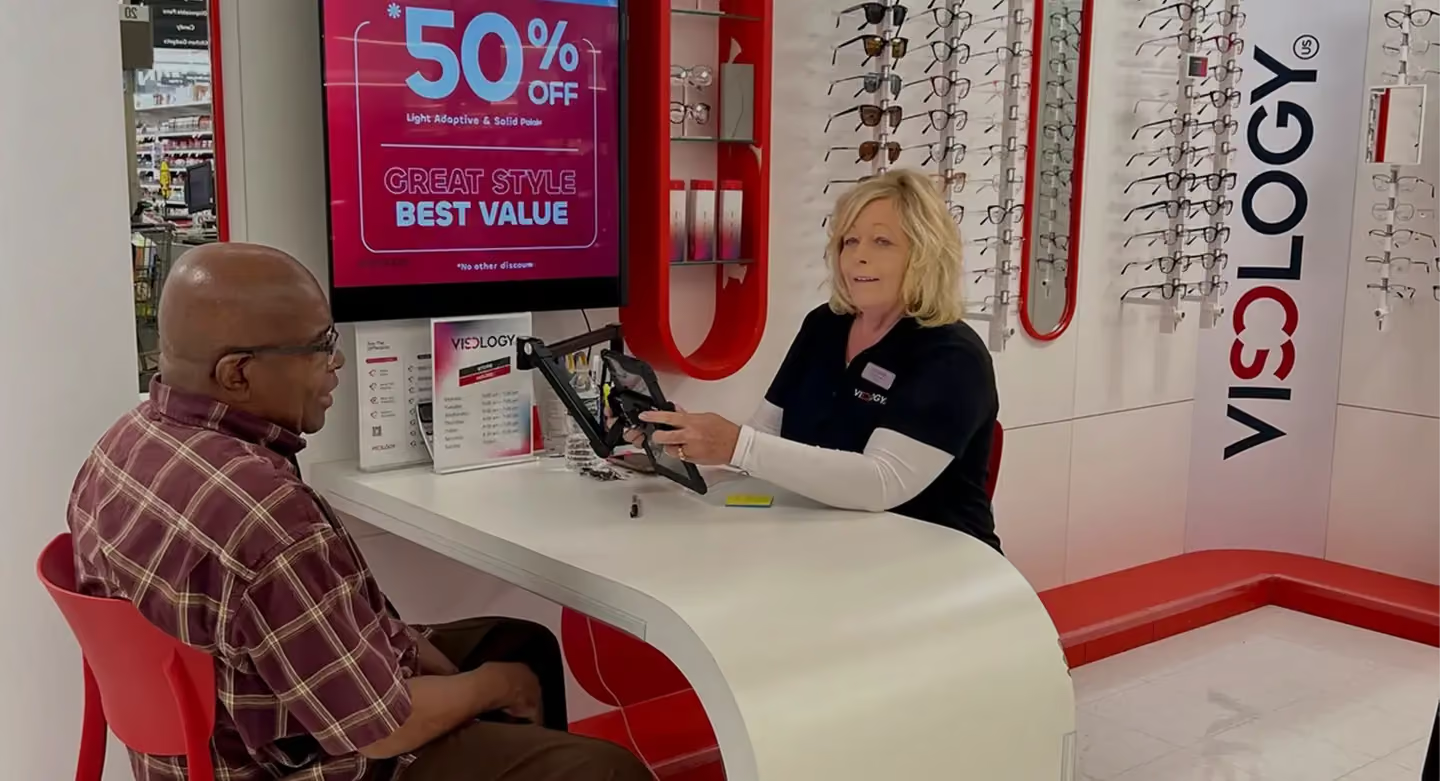
At Visology, digital eye exam technology helps streamline this process; by using advanced measurement tools, exams can often be completed efficiently while still providing accurate prescriptions. You can learn more about the process here
(https://www.visologyus.com/eye-exam)
Choosing the Right Glasses for Screen Use
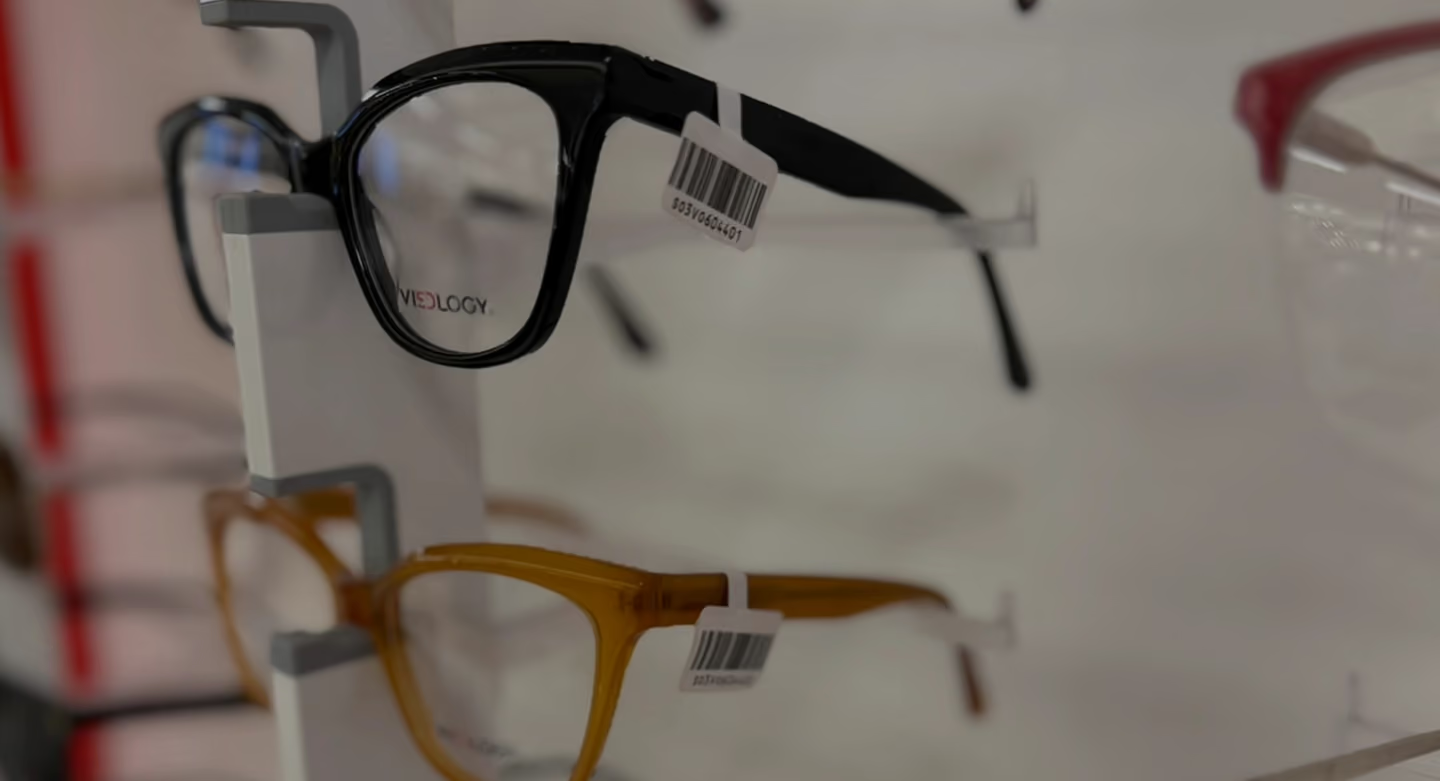
When selecting glasses for screen use, blue light filtering is only one factor to consider. Comfort and lens quality often make an even greater difference during daily wear.
Important elements include:
- Accurate prescription lenses
- Anti-reflective coatings to reduce glare
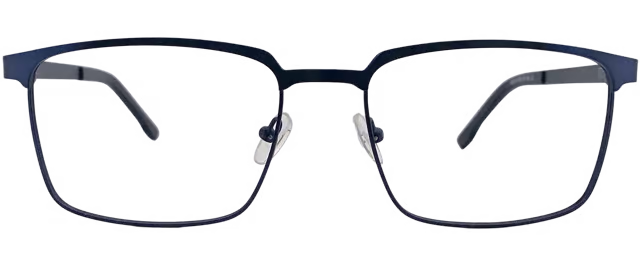
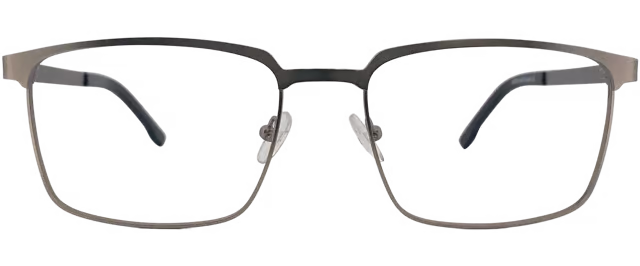
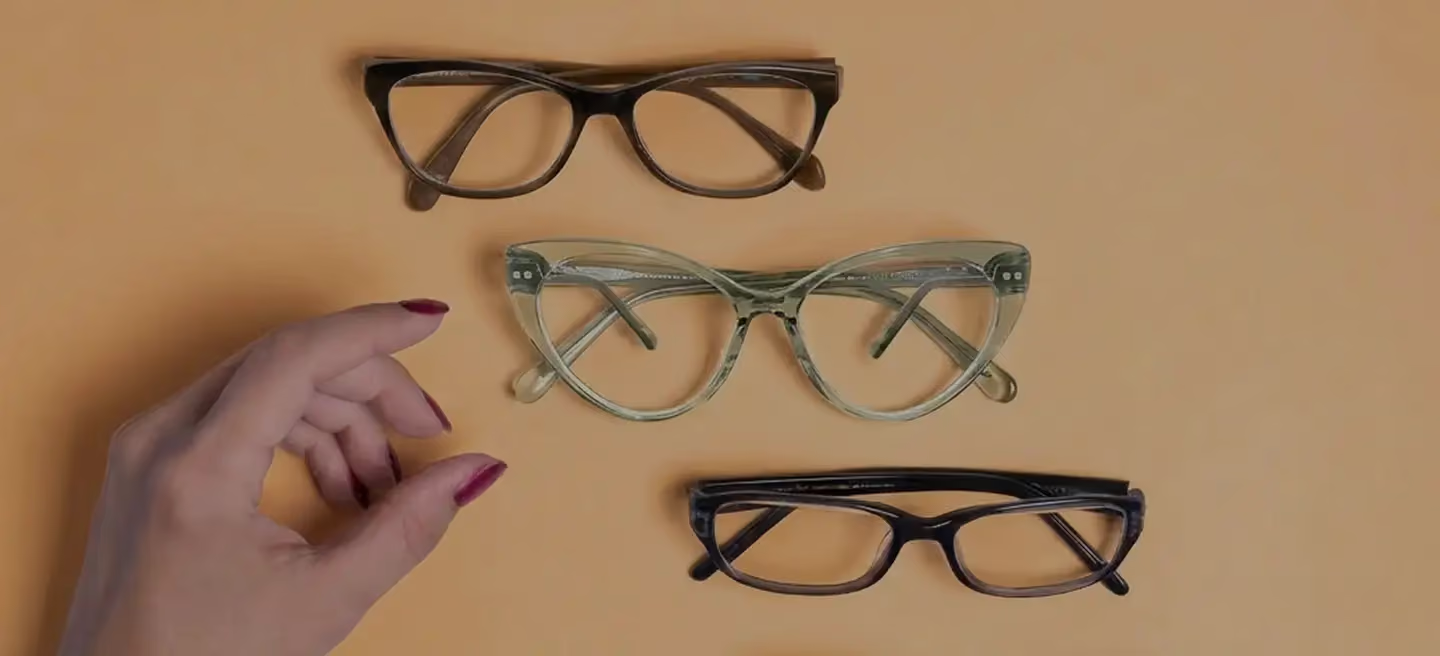
- Frames that sit comfortably for extended periods
A well-balanced pair of glasses should support your routine rather than distract from it; when fit, lenses, and visual needs align, eyewear becomes part of a comfortable daily workflow rather than a constant adjustment.
Understanding Blue Light and Eye Comfort
Blue light glasses have become widely discussed because digital screens are now part of everyday life. Despite some misconceptions online, these lenses do not harm the eyes; instead, they serve as a comfort tool that may help reduce fatigue during long periods of screen use.
At the same time, visual comfort depends on more than a single lens feature. Healthy screen habits, proper lighting, and regular eye exams all contribute to long-term vision care. When these elements work together, it becomes easier to maintain clear, comfortable vision throughout the day.


.avif)
.avif)