
What Insurance Plans Cover Eye Exams and Glasses?
Understanding insurance for eye exams and glasses requires more than knowing your provider’s name. Vision coverage is usually structured around specific annual benefits, which means coverage is defined by limits, allowances, and provider networks rather than unlimited access.
When people search for insurance that covers vision, they are often trying to answer three practical questions: Does my insurance cover eye exams? Does it help pay for glasses? And how do I know if my plan is accepted?
This guide breaks those answers down clearly.
How Vision Insurance Typically Works
Most vision insurance plans are designed to support preventive care and corrective eyewear. Instead of functioning like medical insurance, vision plans usually provide defined annual benefits.
In most cases, coverage includes:
- One routine vision exam per year
- A fixed allowance for frames
- Partial coverage for prescription lenses
The key detail is that benefits reset annually, which encourages consistent checkups rather than emergency visits.
Does Insurance Cover Eye Exams?
In many plans, yes; however, coverage generally applies to routine vision exams, not medical treatment. A routine exam evaluates prescription changes and overall visual performance, while medical eye care is often billed through standard health insurance.
Because policies vary, it is important to confirm:
- Whether a copay applies
- How often exams are covered
- If in-network providers are required
Clear confirmation avoids billing surprises.

Coverage for Glasses and Lenses
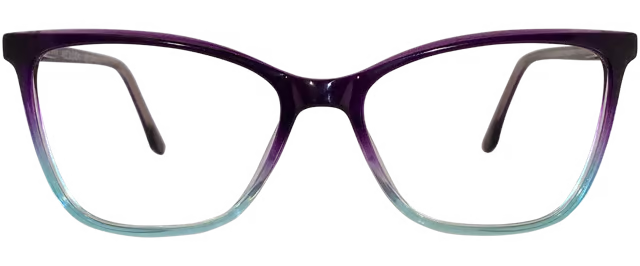
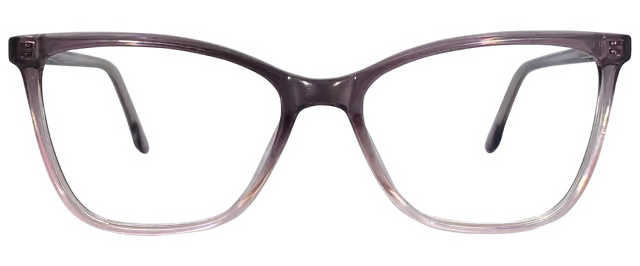
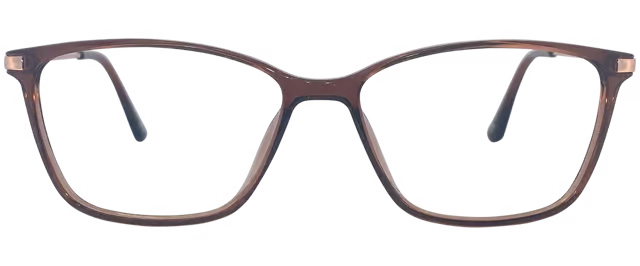
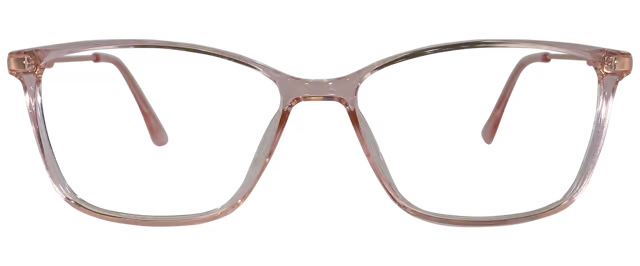
When it comes to glasses, insurance typically provides either a set dollar allowance toward frames or a percentage-based discount. Lenses are often partially covered, although enhancements such as anti-reflective coatings or specialty lens types may involve additional costs.
For many patients, eyewear benefits represent the most tangible value of their plan. Glasses are worn daily, and applying coverage strategically can significantly reduce overall expenses.
What “Insurance That Covers Vision” Really Means
The phrase insurance that covers vision does not necessarily mean full coverage for every eye-related service. Instead, most plans are structured around predictable benefits:
- Annual routine exams
- Defined eyewear allowances
- Discounts on additional purchases
Understanding these limits transforms insurance from a vague benefit into a practical
budgeting tool.
How to Verify Accepted Insurances
One of the easiest things to do to make it that much smoother, confirm accepted insurances before your appointment. Each optical provider does not work with every insurance plan and benefits can vary across locations; therefore, confirming coverage ahead of time can prevent misunderstandings and surprises related to costs.
Insurance is applied to eyewear purchases at Visology, so it is necessary to know how your benefits work prior to deciding on frames. Many major vision and health plans are accepted, including:
- WAetna
- EyeMed
- Spectera
- CCA (Commonwealth Care Alliance)
- Davis Vision
- Superior Vision
- Harvard Pilgrim Health Care
- Tufts Health Plan
- VSP
- Cigna
A quick verification can clarify:
- Whether your provider is accepted
- How benefits apply to eyewear
- What out-of-pocket costs to expect
This step turns uncertainty into clarity and helps you use your benefits more effectively.
Making Insurance Work for Your Eye Care
Insurance for eye exams and glasses is designed to make routine vision care more accessible, provided that the structure of the plan is understood. When you know how often benefits renew, how eyewear allowances function, and what services are covered, decisions become easier and more strategic.
Instead of postponing care due to confusion, understanding coverage allows you to use benefits intentionally. Vision insurance works best when it supports consistent exams and timely eyewear updates rather than reactive visits.
When coverage details are clear, eye care becomes predictable, manageable, and aligned with long-term visual health.


.avif)
.avif)