
Many people wait to schedule an eye exam until something feels wrong; however, vision changes often happen gradually, which makes them easy to miss. Headaches, screen fatigue, blurry text, or difficulty driving at night can build over time without feeling urgent at first.
That is why one of the most common questions in eye care is how often should you get an eye exam. The answer depends on age, health history, current vision needs, and whether you already wear glasses or contact lenses.
Routine eye exams do more than update a prescription. They help detect changes early, support long-term eye health, and make everyday life more comfortable.
Quick Answer: How Often Should You Get an Eye Exam?
For most people:
- Children: every 1 to 2 years, or as recommended
- Adults ages 18–39: every 1 to 2 years
- Adults ages 40–64: every 1 to 2 years, often more regularly after 40
- Adults 65+: every year
People with diabetes, high blood pressure, family history of eye disease, or changing vision may need exams more often.
The best schedule is based on personal risk factors and current visual demands.
Why Regular Eye Exams Matter
Many vision changes happen slowly, which means people often adapt without realizing it. Holding screens farther away, avoiding night driving, or feeling more tired after reading can all become normal habits when vision has changed.
Eye exams help identify:
- Prescription changes
- Eye strain related to screens
- Dry eye symptoms
- Early signs of glaucoma or cataracts
- Health conditions that can affect the eyes
Because of this, regular exams are not only about seeing clearly; they are part of preventive health.
Eye Exam Frequency by Age
Children and Teens
Children rely on clear vision every day, whether they are learning in the classroom, reading at home, playing sports, or simply exploring the world around them. Because so much of childhood development depends on how they see and process information, vision problems can sometimes appear as difficulty focusing, avoiding reading, or frequent complaints of headaches rather than obvious eye symptoms.
Most children should have regular eye exams every 1 to 2 years, although some may need more frequent visits based on symptoms, past prescriptions, or specific recommendations from their doctor. Identifying changes early can make a meaningful difference, helping support confidence, comfort, and stronger performance both in school and beyond.
Adults Ages 18 to 39
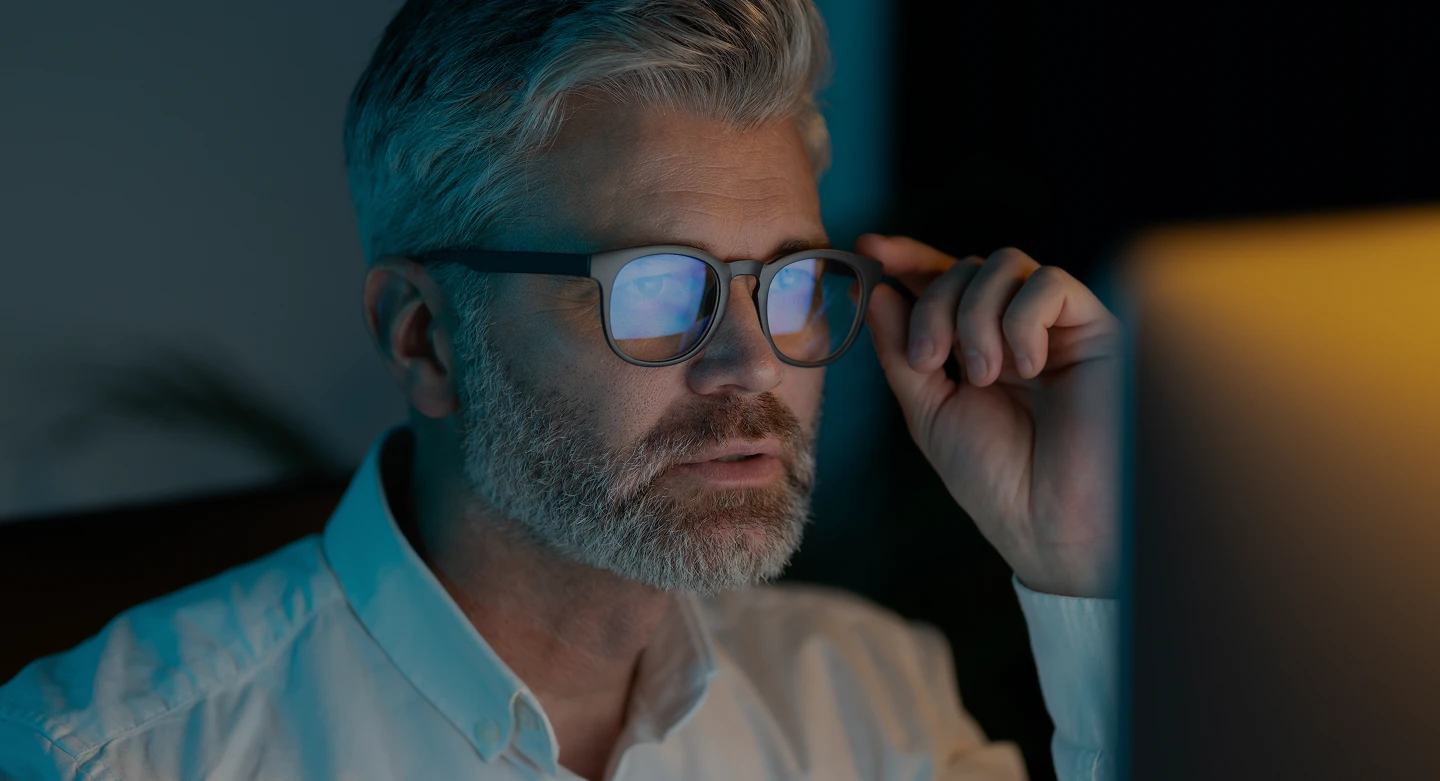
Many younger adults assume they only need an eye exam if they already wear glasses; however, modern digital habits have significantly changed how the eyes work throughout the day. Hours spent on laptops, phones, and tablets can gradually lead to fatigue, focusing difficulties, or prescription changes that often go unnoticed at first.
For most adults in this age group, an eye exam every 1 to 2 years is a smart starting point. If screens are part of your daily routine or you regularly notice strain, headaches, or tired eyes, more frequent check-ins may be a helpful way to stay ahead of changes.

Adults Ages 40 to 64
After 40, natural age-related vision changes often become more noticeable, and tasks like reading up close may feel harder than before; low-light vision can shift, while dry eye symptoms may also become more common. This is also the stage when regular monitoring becomes more valuable, since the risk of common eye conditions tends to increase with age.
For many adults, eye exams every 1 to 2 years are recommended, although some may benefit from annual visits depending on symptoms, lifestyle needs, and personal health history.
Adults 65 and Older
As we age, both vision needs and eye health risks naturally increase. Conditions such as cataracts, glaucoma, and macular degeneration become more common over time, which is why annual eye exams are often recommended after age 65.
Regular monitoring can help detect changes earlier and support the things that matter most in daily life, including independence, confidence behind the wheel, and overall quality of life.
Signs You May Need an Eye Exam Sooner
Even if you recently had an exam, some symptoms should not be ignored.
You may benefit from scheduling sooner if you notice:
- Frequent headaches
- Blurry near or distance vision
- Trouble seeing at night
- Eye fatigue after screens
- Squinting often
- Dry or irritated eyes
- Difficulty reading small print
Changes in vision rarely improve on their own, so addressing them early is usually the better choice.
Modern Eye Exams Fit Busy Schedules
Some people postpone exams because they expect the process to take too long; however, modern eye care can be faster and more convenient than many expect.
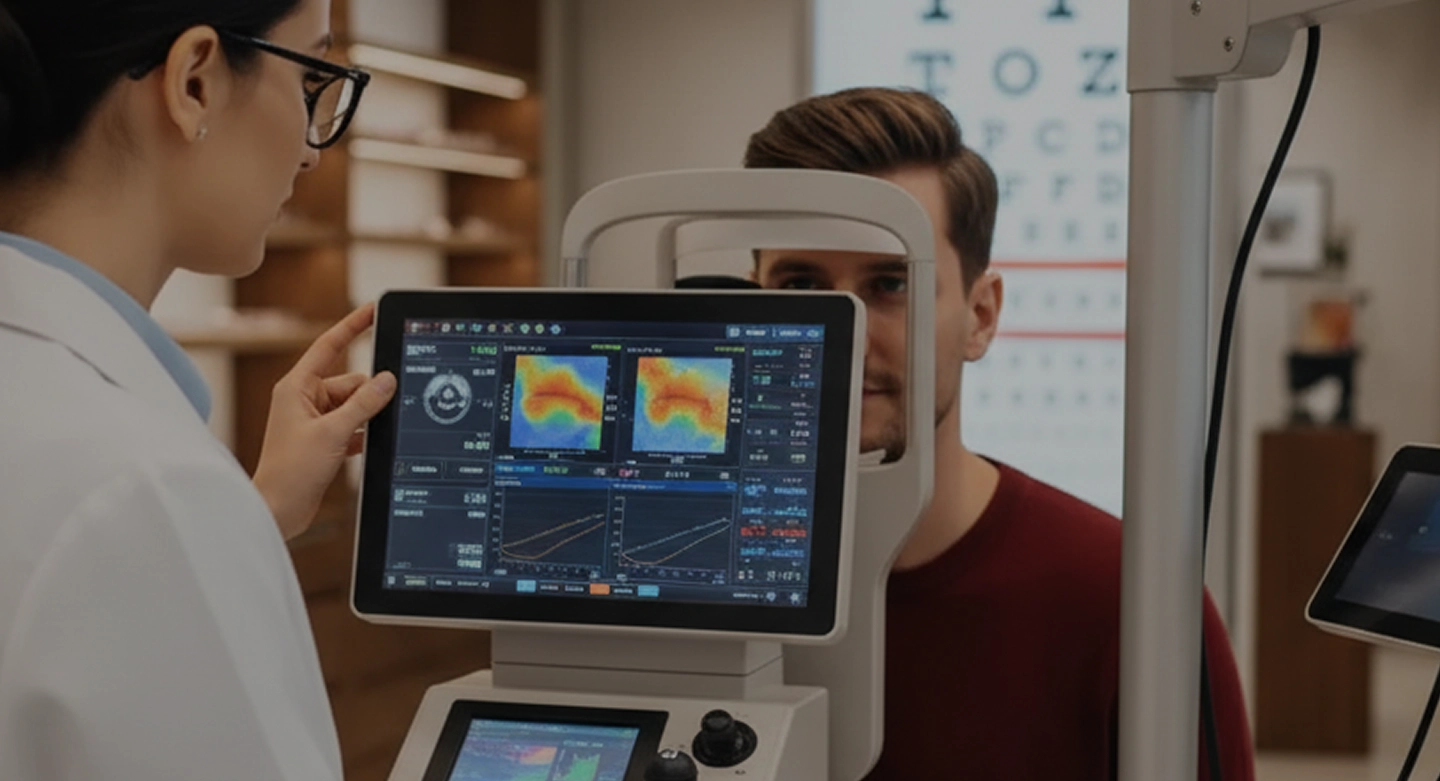
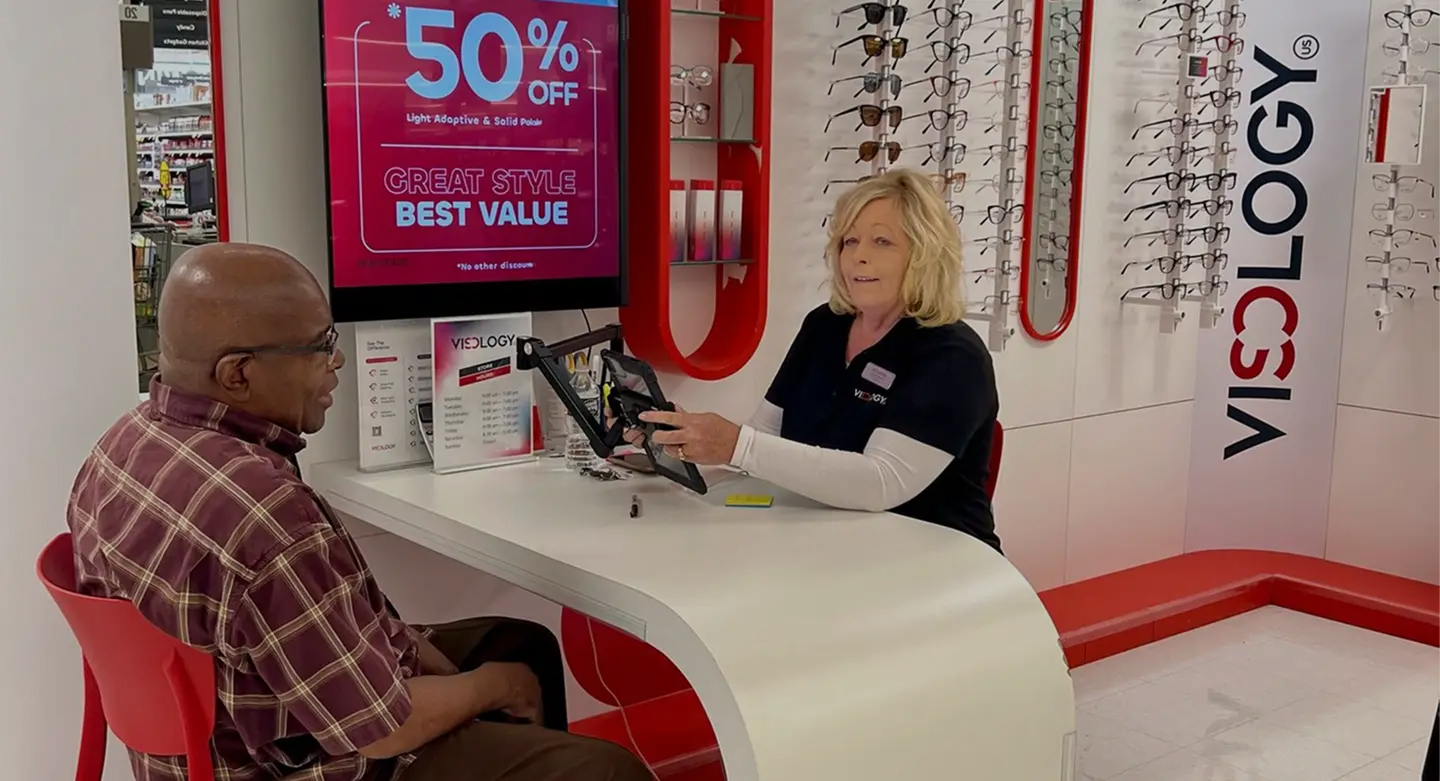
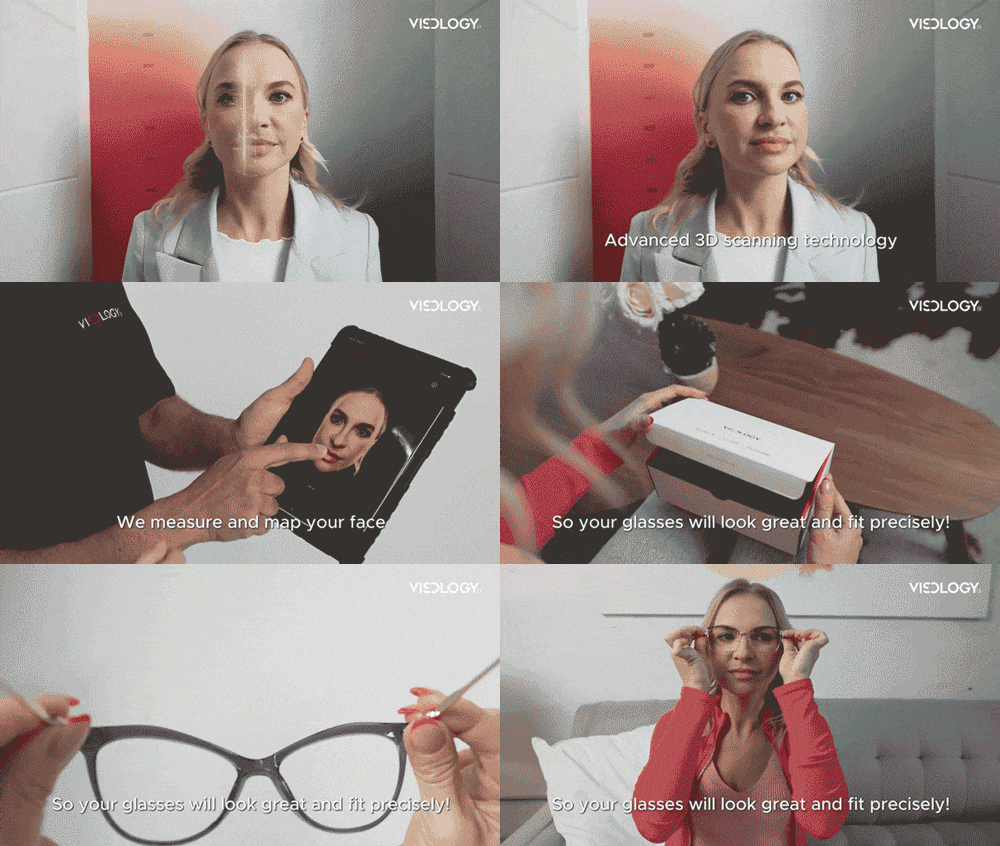
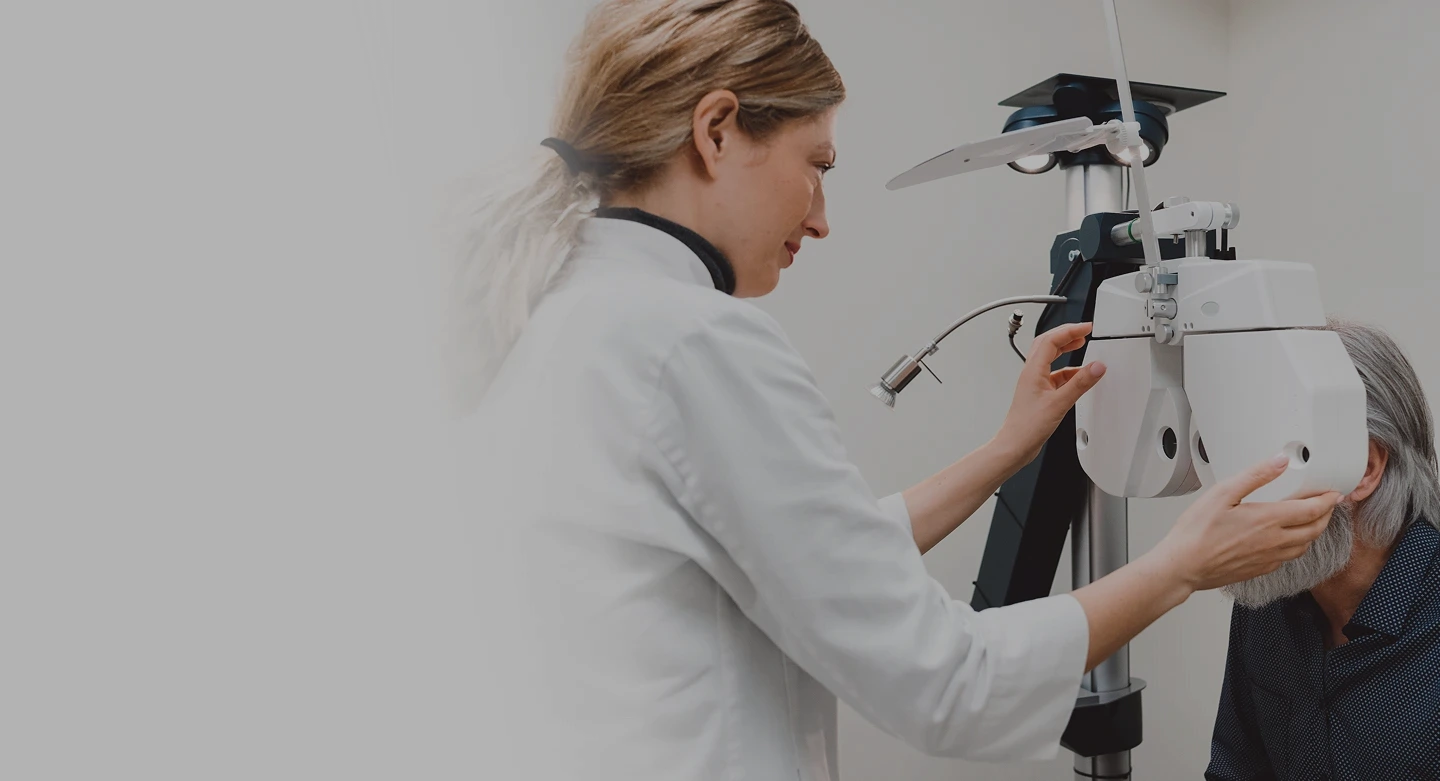
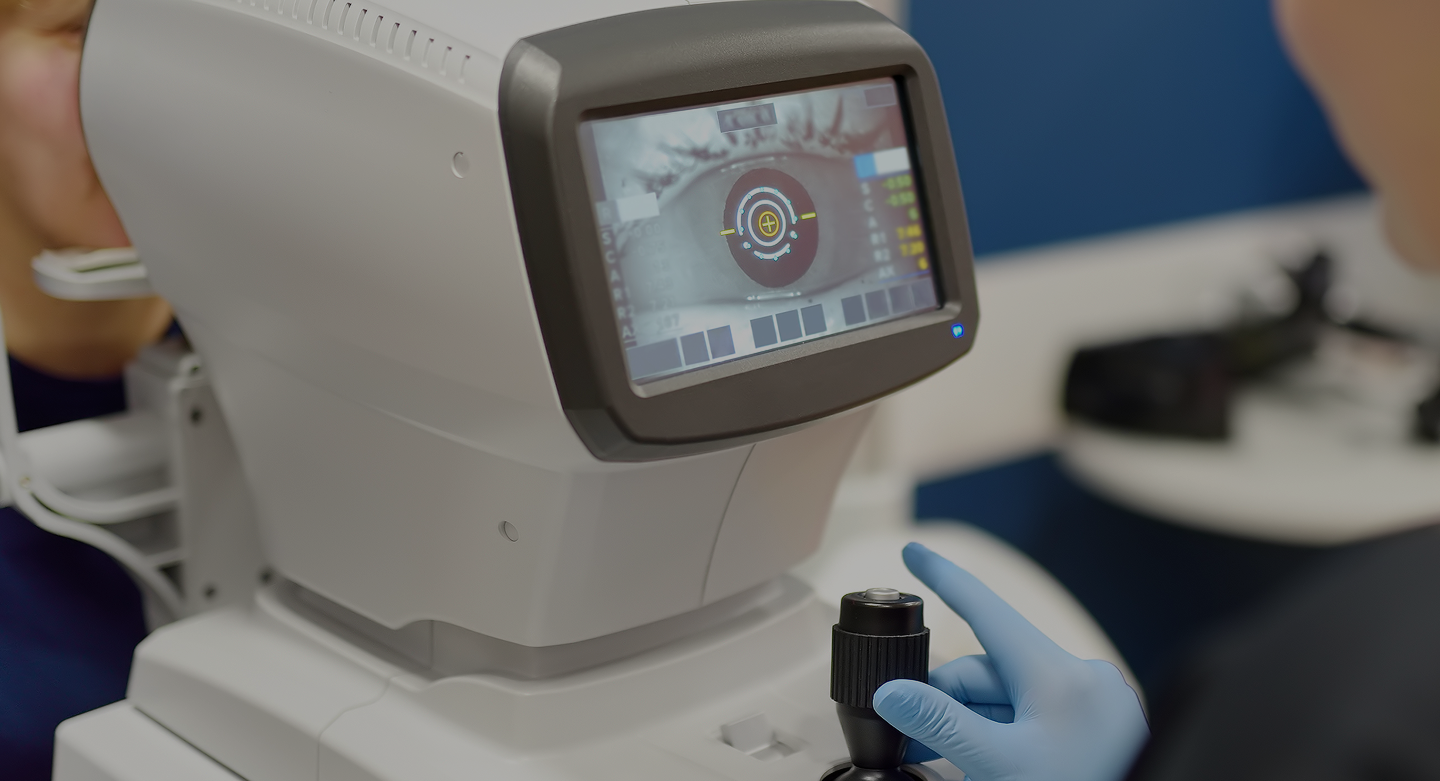
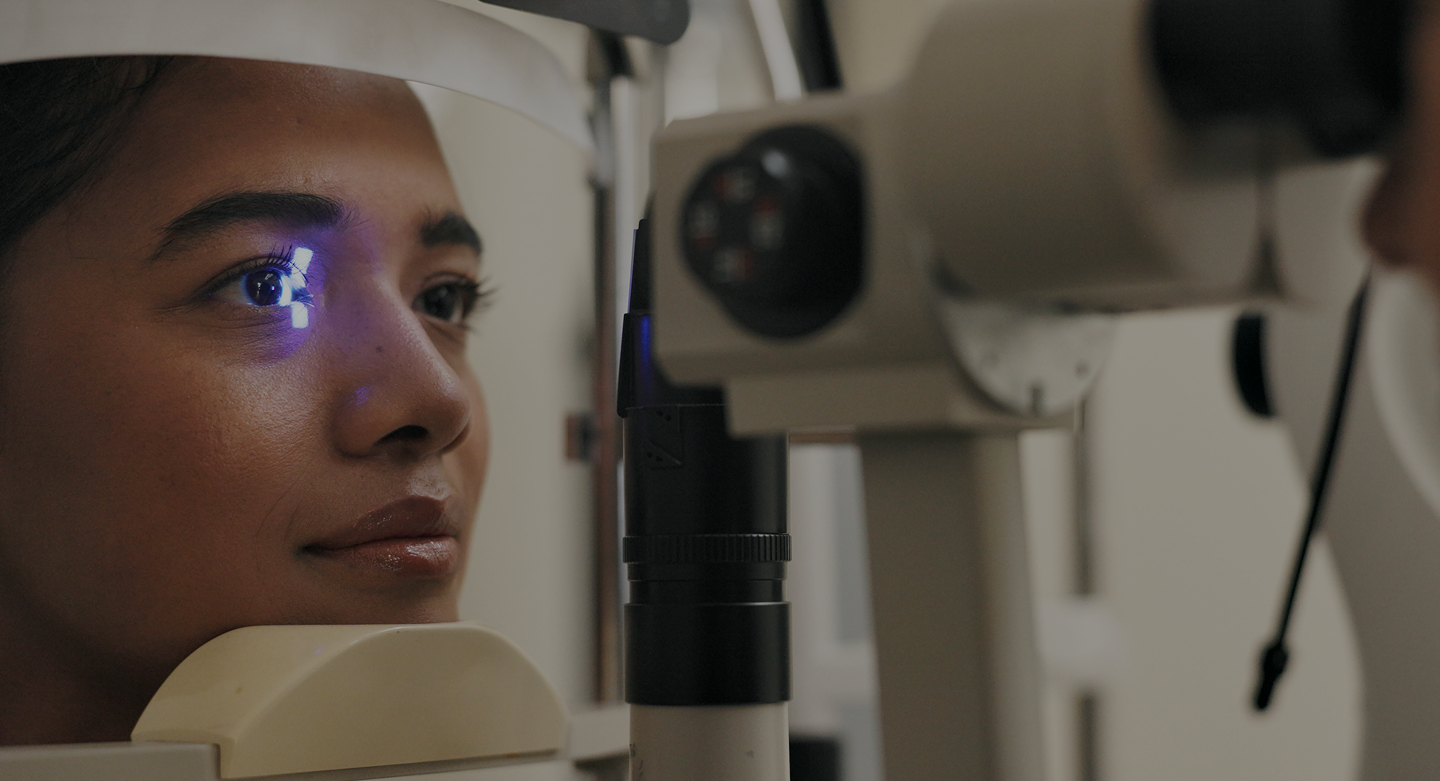
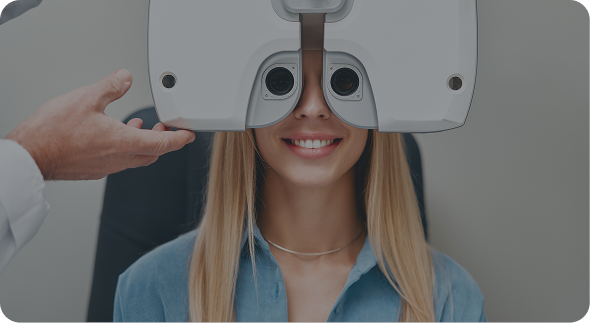
At Visology, digital eye exam technology helps streamline the experience while maintaining accuracy. In many cases, exams can be completed efficiently, making routine eye care easier to fit into workdays, errands, or family schedules.
Where to Get an Eye Exam Near You
Convenience plays a bigger role than many people realize. When care is easy to access, people are more likely to stay consistent with it.
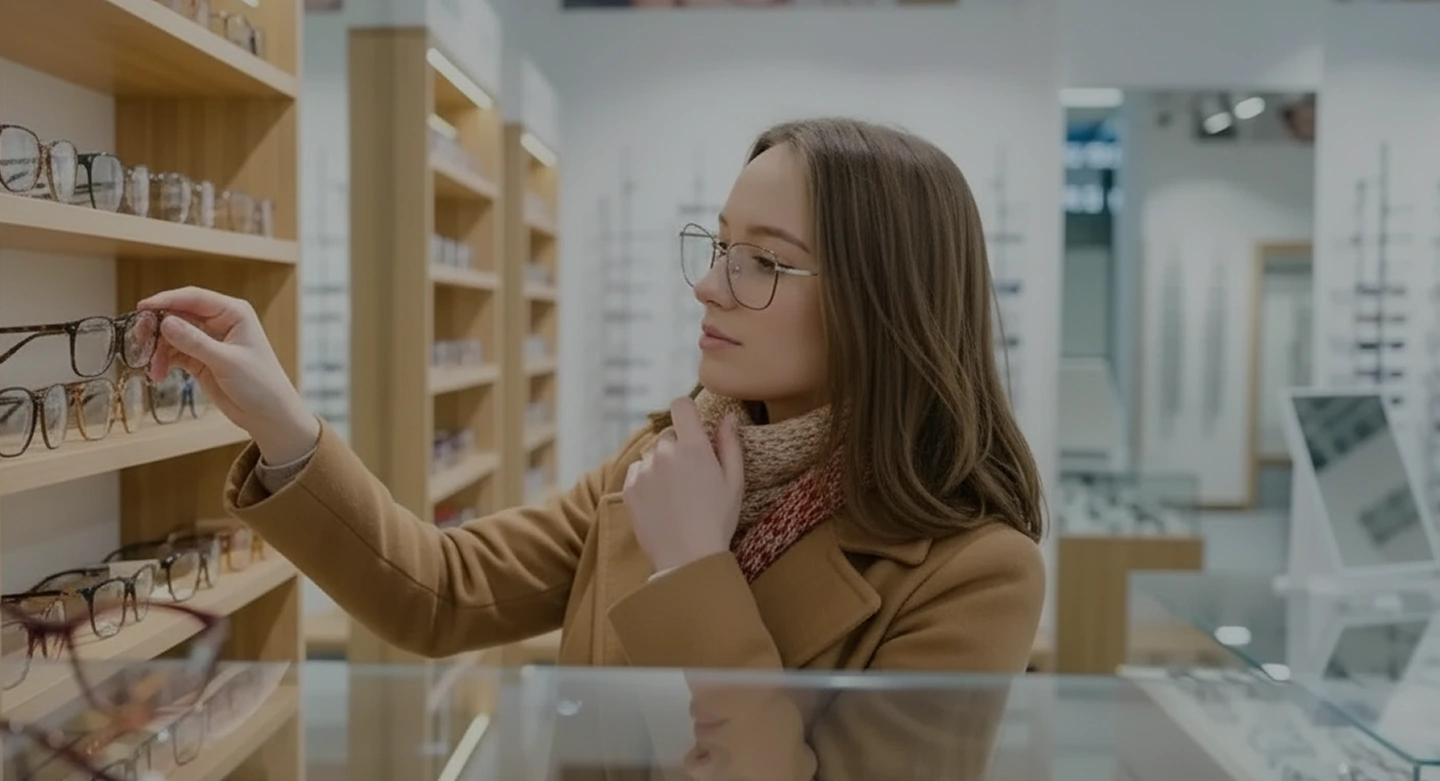
Visology locations inside Stop & Shop help make eye care part of routines people already have, allowing patients to combine everyday errands with a professional eye exam in one visit.
Clear Vision Works Best When It Is Maintained
Knowing how often eye exam schedules should happen is really about staying ahead of changes rather than reacting to them later. Vision affects work, learning, driving, confidence, and daily comfort, so regular exams are one of the simplest ways to protect it.
The right timing depends on your age and needs; however, consistency matters more than waiting until something feels wrong. When eye care fits naturally into life, it becomes much easier to maintain over time.


.webp)
.avif)